Sign up with Google
 Sign in with Zoho
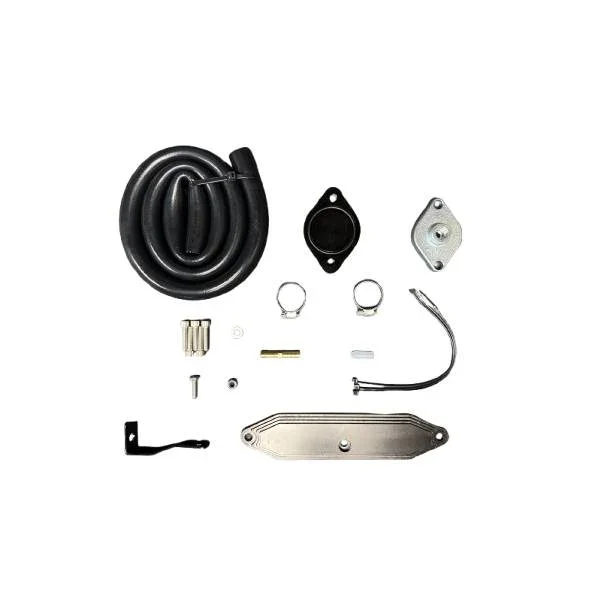
Ford diesel trucks are often expected to do more than simply get from one place to another. Towing, hauling, commuting, and long-distance driving can put substantial demands on the engine and its supporting systems. When a truck begins losing responsiveness or developing mechanical problems, the quality and compatibility of replacement components become especially important.
For owners comparing Ford diesel performance parts, the goal should not always be to add more horsepower. In many cases, dependable performance comes from restoring worn systems, improving weak areas, or replacing components that have reached the end of their service life. A thoughtful approach can help a truck remain capable without turning every repair into a major modification.
Performance Begins With a Healthy Engine
Before considering upgrades, make sure the truck's original systems are working properly. A worn injector, restricted cooling component, damaged gasket, or electrical fault can make an otherwise capable diesel feel noticeably weaker.
Years of heat cycles, vibration, towing, and regular use can affect components that once worked without issue. Fixing those underlying problems may restore smoother operation and better response without adding aftermarket hardware.
Know Which Powerstroke You Own
Ford diesel engines have changed considerably across different generations. Components for a 7.3L Powerstroke are not automatically interchangeable with parts for a 6.0L, 6.4L, or 6.7L. Even within the same engine family, model-year changes can affect fitment.
That makes application information essential when shopping for Ford diesel parts. Before placing an order, owners should have the vehicle's model year, exact engine, VIN, and existing component information available.
Part numbers are particularly useful when replacing an original component. They can provide a second way to confirm that the replacement is intended for the same application.
Fuel Delivery Deserves Attention
Fuel delivery directly affects diesel performance. Injectors must deliver fuel accurately, while the supporting fuel system needs to maintain the conditions required for proper injection.
A worn injector can produce rough idling, hard starting, uneven acceleration, smoke, or reduced power. Yet those same symptoms can also point to fuel pressure problems, electrical faults, or other engine issues.
That is why you should diagnose the issue before replacing a complete set of injectors. Testing the system can help determine whether the problem is inside the injector or elsewhere in the fuel-delivery chain.
Cooling Is Part of Performance
Engine performance depends heavily on temperature control. A diesel that works hard while towing or hauling produces substantial heat, and the cooling and lubrication systems need to manage it consistently.
Oil coolers, coolant passages, thermostats, radiators, and related components all have a role. A restricted or failing component can push temperatures outside their normal range and may eventually affect other systems.
Owners considering performance upgrades should therefore include cooling capacity in the overall plan. Increasing engine output without considering heat management can put extra strain on a system that may already be aging.
Small Parts Can Create Big Problems
Not every performance-affecting component is large or expensive. A gasket may seem insignificant until an oil leak develops, while a wiring harness can cause serious problems when a damaged connection interrupts an important circuit. Glow plugs are another example. Proper operation can make a major difference during cold starting, while a failed plug or damaged harness can create complaints that may initially be blamed on the fuel system.
When Repair Parts Make More Sense
If the original component has failed, restoring the system to its intended operating condition may be the most sensible option. This is where Ford diesel repair parts become valuable. A correct replacement injector, glow plug, valve cover gasket, oil cooler, control module, or other service component can address a specific problem without changing the truck's overall design.
For work trucks and daily drivers, reliability may be more important than maximum output. A properly functioning stock system can be easier to maintain and more predictable under regular use.
Match Upgrades to the Truck's Job
The ideal setup depends on how you use a Ford diesel. A truck that spends most of its time towing heavy trailers has different requirements from one used for commuting or occasional recreation. Towing applications may place greater emphasis on cooling, fuel delivery, low-speed response, and durability. A recreational truck may have more flexibility for performance-oriented modifications. No universal list of upgrades works equally well for every truck.
Don't Buy Parts Based on Symptoms Alone
A common mistake in diesel repairs is replacing a component simply because its symptoms match a description found online. For example, reduced power could result from an injector problem, fuel restriction, turbocharger issue, electrical fault, or another engine condition. Replacing one part without testing may leave the actual problem untouched.
A better process starts with basic diagnosis. Check for warning lights and diagnostic codes, inspect visible components, and test the systems related to the reported symptom. Once you identify the likely cause, you can select the right replacement with more confidence.
What Should You Check Before Ordering?
Start by recording the truck's model year, engine, VIN, and existing component or OEM part number where available. Also confirm what comes with the replacement includes. Some repairs may require new seals, gaskets, fasteners, or related components. For complex work, review installation requirements before you start.
A Better Way to Build Diesel Performance
The most useful Ford diesel performance parts aren't necessarily the ones promising the biggest headline power increase. A good component should solve a specific problem or support a clearly defined goal. For some owners, that may mean replacing worn fuel-system components and restoring factory performance. For others, it may involve a carefully planned upgrade that considers airflow, fueling, cooling, and the rest of the drivetrain together.
Starting with a healthy engine makes either approach more effective. The right part is ultimately the one that fits the truck, suits its purpose, and contributes to reliable performance over the long term.
Where Quality and Fitment Meet
Good diesel components need to do more than fit physically. They should suit the engine's operating conditions and be built for the intended application.
Mississippi Diesel Products supplies components for Ford Powerstroke and other diesel platforms, giving owners a source for parts used in fuel injection, engine service, and related repairs. Buyers should compare the listed application and part number with their truck before ordering.
Clear fitment information is especially important for older Ford diesels, where model-year changes can make seemingly similar components incompatible.