Sign up with Google
 Sign in with Zoho

Most men start thinking about hair fall only after someone mentions it, or after a photo shows a thinner hairline than they remember. The first reaction is usually shopping: a new shampoo, a new serum, an anti hair fall oil for men recommended by a friend. Products can help, but everyday habits often decide how much hair stays on your head. This guide walks through seven simple habits to look at first, and explains honestly where an oil fits into the picture, what it can do and what it cannot, so your money and effort go to the right place.
Habit One: Sleeping Too Little
Poor sleep and constant tiredness show up in many places, and hair is one of them. If you are running on five hours a night, no bottle will fully make up for it. Aim for a regular bedtime and a dark, quiet room. It sounds boring, but it is often the cheapest thing you can fix.
Habit Two: Eating Without Thinking
Hair needs protein, iron and vitamins to grow. Skipped meals, crash diets and a lot of fast food can leave you short. Add eggs, pulses, curd, nuts, leafy vegetables and fruit where you can. If you suspect a deficiency, ask a doctor for a blood test instead of guessing.
Habit Three: Washing Too Hard
Very hot water and strong shampoos strip the scalp. Wash with lukewarm water and a mild shampoo, and massage with the pads of your fingers, not your nails. How often to wash depends on your scalp and your day, but a clean scalp is a happier one.
Habit Four: Ignoring Sweat, Dust and Caps
Men who ride bikes, wear helmets or caps, or work outdoors collect a lot of sweat and dirt on the scalp. Leaving it there can leave the scalp irritated. Rinse after heavy sweating, keep your caps and helmets clean, and avoid wearing a tight cap over a freshly oiled head.
Habit Five: Carrying Stress Every Day
Long periods of stress can increase shedding. You cannot remove stress completely, but a walk, a workout, a hobby or even ten quiet minutes can help. A weekly scalp massage can also double as a small moment of calm.
Habit Six: Rough Handling and Heavy Styling
Pulling at wet hair, brushing hard and using strong gels or frequent heat can weaken strands. Be gentle with a wide-toothed comb, let hair dry naturally when you can and avoid styling products that you cannot wash out easily.
Habit Seven: Forgetting About the Scalp Itself
A dry, tight scalp and an oily, clogged scalp both need attention. If your scalp itches, burns or flakes, the answer may be a medical one, not a cosmetic one. Notice what your scalp feels like most days before you pick any product.
So Where Does Oil Fit In?
An oil can keep the scalp comfortable, soften dry hair and reduce breakage from dryness and friction. It can also turn a head massage into a calming habit. What it cannot do is change your genetics, treat thyroid problems or other medical causes, revive follicles that are no longer active or work in a week.
Traditional use is not proof, so keep expectations steady. Think of oil as a helper next to good habits, not a replacement for them.
How to Choose a Hair Fall Control Oil
Check these points before buying:
- Ingredients. Plant oils and herbs near the top are a good sign. A long list of fragrance and mineral oil is not.
- Texture. Lighter oils suit oily scalps, while richer oils suit dry scalps.
- Claims. Be careful with promises of guaranteed regrowth or results in days.
- Explanations. Brands that tell you why each ingredient is there are easier to trust.
- A patch test. Try a small amount on your skin and wait a day before regular use.
What One Brand Says
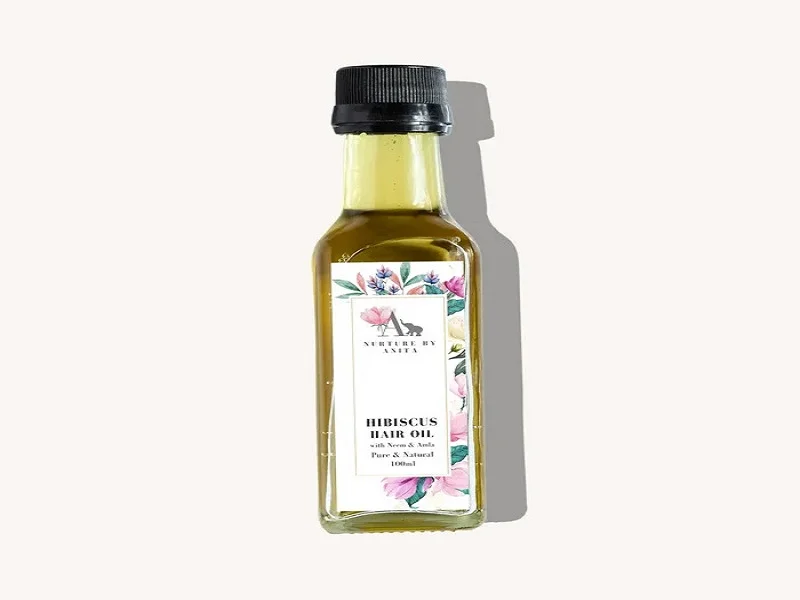
To see how this looks in practice, here is one brand’s description. Nurture By Anita, a hair and skincare brand based in Chandigarh, makes a Hibiscus Hair Oil that it describes as its best-selling lightweight hair fall control oil for stronger roots. According to the brand, it is cold-pressed, slow-cured and made with botanicals grown on its own farm, and it is ideal for an oily scalp and fine hair, while suitable for all hair types and adults.
The brand lists five ingredients: hibiscus, neem, amla, castor oil and coconut oil. It describes the product as an ayurvedic hair oil for hair fall care, made for concerns such as seasonal hair fall, an imbalanced scalp and build-up from sweat, pollution and products. Treat this as the brand’s own description, and remember that results vary.
A Simple Routine
The brand describes a pre-wash method, and the basic steps suit most oils:
- Part your hair and apply the oil along the scalp with your fingertips.
- Massage gently, then spread any leftover through the rest of your hair.
- Leave it on for at least two to three hours, as the brand suggests.
- Wash thoroughly with your usual shampoo and conditioner.
Short hair needs only a few drops. The brand adds that a light layer can be used daily if needed, but regular, consistent use is more practical than frequent heavy oiling.
Oil for Hair Fall and Hair Growth: Honest Expectations
Many men want an oil for hair fall and hair growth in one bottle. Oil may support the conditions around your hair, but it cannot promise new growth. In the example above, the brand says its formula supports natural hair growth and a healthier environment for hair care, and that consistency and your overall routine matter. Give any oil a few months before judging it.
When to See a Doctor
Speak to a doctor or dermatologist if shedding is sudden or heavy, you notice bald patches, or your scalp is itchy, red or painful. Hair fall after illness or a major diet change also deserves attention. A doctor can check for causes such as thyroid problems or anaemia, which no oil can treat.
Frequently Asked Questions
Do everyday habits really affect hair fall?
They can. Sleep, food, stress, washing and styling all influence how much hair you shed.
How much oil should men use?
Short hair usually needs only a few drops on the scalp.
How often should I oil?
Many people use a pre-wash oil once or twice a week. Follow the brand’s instructions.
Can oil stop hair fall?
It can support the scalp and reduce breakage, but it cannot treat medical or hereditary causes.
How long before I see a difference?
Softness may show within weeks, while changes in breakage usually take a few months.
Final Thoughts
Hair fall rarely has a single cause, so it rarely has a single fix. Start with the habits you control: sleep, food, washing, sun and stress. Then add a simple routine with an anti hair fall oil for men, used lightly and regularly, so your scalp stays comfortable and your hair breaks less. Do not expect it to treat medical causes or work in a week. Give it a few months and notice small changes. If shedding is sudden, patchy or heavy, see a doctor early. Steady habits, honest expectations and good advice will protect your hair better than any bottle.