Sign up with Google
 Sign in with Zoho

There is a particular kind of frustration that comes with dry hair. You wash it, let it dry, and instead of looking soft and settled, the hair starts standing in different directions. The ends may feel rough, the middle section looks puffy, and a little humidity is enough to bring the frizz back.
If this sounds familiar, changing your hair oil may be worth considering.
Oil cannot fix every hair problem, and it certainly cannot undo serious damage overnight. But a suitable oiling routine can make dry hair feel more conditioned and easier to handle. The trick is to stop looking for one “perfect” oil and instead choose something that matches your hair.
Here are seven options that are commonly used for dry, rough and frizzy hair.
1. Coconut Oil
For many Indian households, coconut oil does not really need an introduction. It has been part of everyday hair care for years, often applied before a hair wash.
It can be a sensible choice if your hair feels dry after washing or if the ends become rough easily. You do not need to completely soak your hair in it. A moderate amount, worked through the scalp and lengths, is often enough for a pre-wash routine.
One thing to keep in mind is your hair texture. Very fine hair may look weighed down if too much coconut oil is used. Start small and adjust from there.
2. Aloe-Based Hair Oil
Sometimes dry hair needs nourishment but does not feel comfortable with an extremely heavy oil. This is where an aloe-based formula can be interesting.
Aloe Vera is commonly used in hair-care formulations because of its lightweight feel. When it is combined with nourishing oils, the result can be suitable for hair that feels dry, rough or stressed from regular styling.
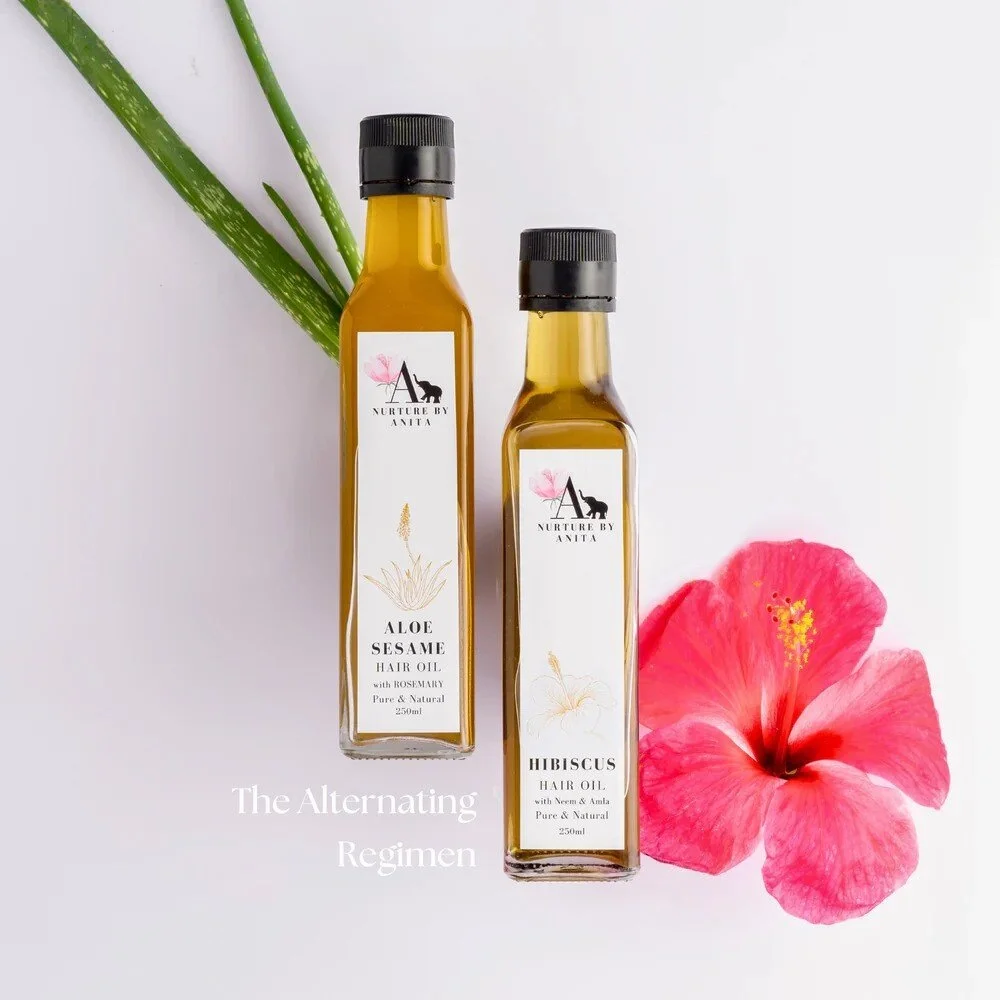
A good example is AloeSesame Hair Oil from Nurture By Anita. It combines Black Sesame, Aloe Vera and Rosemary and is formulated for dry, damaged, frizzy and chemically treated hair.
If your hair has been exposed to regular straightening, blow-drying or chemical treatments, this is one formulation you can look at when comparing options.
3. Jojoba Oil
Not everyone enjoys the traditional heavy-oiling experience. If you have fine hair or an oily scalp, you may prefer something lighter.
Jojoba oil is often used in hair care for this reason. A small amount can be worked through the lengths without leaving the hair feeling excessively coated.
It can be particularly useful when the main goal is keeping the hair feeling conditioned without making the roots greasy.
The amount matters here. Start with less than you think you need. It is much easier to add a little more than to deal with hair that has been overloaded with oil.
4. Argan Oil
Argan oil is often associated with smoothness and shine, and it is commonly found in products made for dry or frizzy hair.
Think of it as an option for the days when the hair looks a little dull and the ends are not sitting properly. Depending on the product, a small amount can be applied to the lengths rather than the scalp.
This can work well as part of a finishing routine, but very dry or damaged hair may need more than a few drops. In that case, a proper pre-wash oil treatment may be more appropriate.
5. Castor Oil
Castor oil is very different from jojoba or argan oil in terms of texture. It is thick, sticky and noticeably richer.
That can be useful if you enjoy a heavier oil treatment, but it also means that you probably do not need much.
One practical approach is to mix a small quantity with another, lighter oil. This makes it easier to spread through the hair and can make washing easier later.
If your hair is fine and becomes greasy quickly, castor oil may feel too heavy when used on its own. As with most hair products, your own response matters more than a general recommendation.
6. Sesame Oil
Sesame oil has a long history in traditional hair-oiling practices. It is still a familiar choice for people who prefer a simple, traditional approach to hair care.
It can be used before shampooing, especially when the hair feels dry and needs a richer treatment.
Black Sesame is also used in modern botanical hair products. Nurture By Anita uses Black Sesame in its AloeSesame Hair Oil, combining it with Aloe Vera and Rosemary.
This is a good reminder that an ingredient does not have to be used in exactly the same way by everyone. You can choose between a traditional single-oil routine and a formulated blend depending on what your hair needs.
7. Hibiscus-Based Hair Oil
Hibiscus has been used in Indian beauty routines for a long time and is still found in many botanical hair-care products.
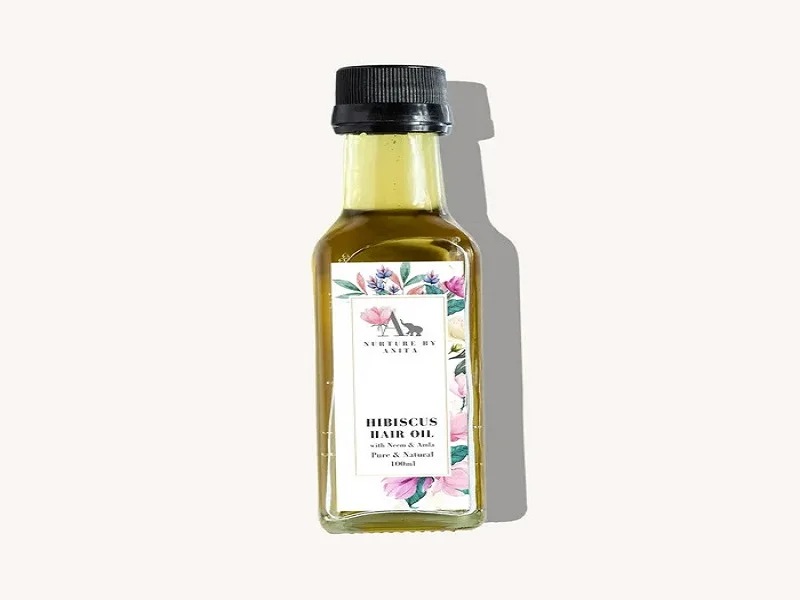
It may be worth considering when you want your routine to address more than just frizz. For example, Nurture By Anita's Hibiscus Hair Oil combines Hibiscus, Neem, Amla, Castor and Coconut and is positioned around hair-fall and scalp-care concerns.
That makes it different from a product specifically formulated for dry and damaged hair.
This distinction is useful when shopping for hair oil. Two products may both be called “hair oil,” but their intended purposes can be quite different.
So, Which Oil Should You Actually Pick?
This is probably the question that matters most.
If your hair is dry and rough, coconut or sesame oil may be worth trying.
If it is dry, frizzy and damaged from styling, a nourishing blend such as AloeSesame Hair Oil may be more relevant.
If your hair is fine and easily weighed down, jojoba may feel more comfortable.
If the main issue is frizz and dull-looking lengths, a lightweight argan-based product can be considered.
If you prefer richer oil treatments, castor oil is an option, although it is usually easier to handle in a blend.
And if your routine is more focused on hair fall and scalp care, a Hibiscus-based formulation may be worth exploring.
There is no need to change your entire routine just because another oil is trending online.
How to Use Oil Without Making Your Hair Greasy
A common mistake with hair oil is assuming that more is better.
It usually is not.
Start with a reasonable amount for your hair length. Apply it gently rather than aggressively rubbing the scalp. Work some through the lengths, particularly if the ends are the driest part of your hair.
You can leave the oil on for a few hours before washing, depending on your routine and the product instructions.
After washing, pay attention to how your hair feels. If it is soft and manageable, you have probably found a quantity that works for you. If it feels coated or difficult to clean, use less next time.
That small adjustment can make a bigger difference than constantly buying new products.
Your Hair Routine Matters Too
Sometimes people blame their hair oil when the real problem is somewhere else.
For example, if you regularly straighten your hair, oiling alone will not remove the effects of repeated heat exposure. Similarly, rough towel drying can leave already-dry hair feeling even more unruly.
Try to handle wet hair gently. Avoid very hot water and reduce unnecessary heat styling where possible. If you use heat tools, include appropriate heat protection in your routine.
Even something as simple as replacing rough towel rubbing with a soft microfibre hair wrap can reduce unnecessary friction.
These habits may not sound exciting, but they are often easier to maintain than constantly changing hair products.
How Often Should You Oil Dry and Frizzy Hair?
There is no magic number.
For someone with thick, dry hair, oiling once or twice a week may fit comfortably into the routine. Someone with fine hair and an oily scalp may prefer less frequent oiling.
Start with once a week and see how your hair responds. If your hair still feels dry and the routine suits your scalp, you can adjust the frequency.
Your hair does not need to follow someone else's schedule.
Frequently Asked Questions
Which oil is best for dry and frizzy hair?
There is no single best oil for everyone. For very dry or damaged hair, a nourishing blend can be useful. Aloe-based formulations containing ingredients such as Black Sesame may be worth considering.
Can hair oil stop frizz completely?
No. Oil can help dry hair feel softer and more manageable, but humidity, heat styling, chemical treatments and natural hair texture can all contribute to frizz.
How many times a week should I oil my hair?
Once or twice a week is a reasonable starting point for many people. Fine or oily hair may need less frequent oiling, while very dry hair may tolerate a richer routine.
Is AloeSesame Hair Oil suitable for frizzy hair?
AloeSesame Hair Oil by Nurture By Anita contains Black Sesame, Aloe Vera and Rosemary and is formulated for dry, damaged, frizzy and chemically treated hair.
Can someone with an oily scalp use hair oil?
Yes. The key is quantity. If your scalp becomes oily quickly, use less oil and concentrate more on the dry lengths rather than applying a large amount to the entire scalp.
Conclusion
Good hair care does not have to involve a shelf full of different oils. Start by paying attention to what your hair is actually telling you.
If the strands feel dry and rough, look for nourishment. If they become greasy quickly, keep the application lighter. If heat or chemical treatments have left the hair damaged, choose a formula designed with that concern in mind.
Coconut, Jojoba, Argan, Castor, Sesame, Hibiscus-based oils and Aloe-based blends can all have a place in a hair-care routine. The right choice is simply the one that works comfortably with your hair and that you can use consistently.