Sign up with Google
 Sign in with Zoho
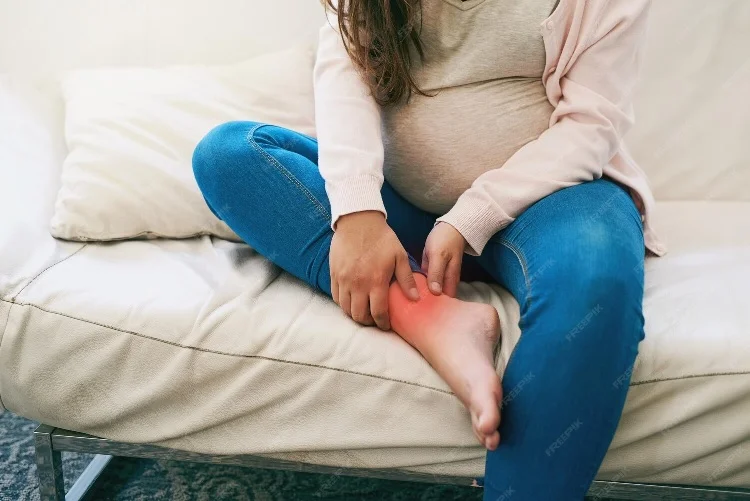

Pelvic pain is among the most common painful experiences in women’s lives. This pain can range from mild cramping during periods to sharp and persistent pain in the lower abdomen at other times. Women experience this pain during periods, during sexual activity, or at different times of the menstrual cycle.
Though most of the time pelvic pain settles on its own or with a home remedy, recurring or severe discomfort suggests an underlying health condition.
Mohali has become a popular destination for women’s healthcare services due to its fully equipped gynaecology clinics. Searching for the “best gyno near me” in Mohali will connect you with professionals who will identify the underlying cause before providing appropriate treatment.
What Is Pelvic Pain?
Pelvic pain is discomfort or pain in the lower abdomen, below the belly button and around the area between the hip bones. It can occur on one side or across the pelvis; meanwhile, it can also be temporary or long-lasting, mild or intense.
The pain may be related to the reproductive organs, urinary tract, digestive system, muscles, or nerves. Its cause often depends on when it occurs, how severe it is, and whether other symptoms are present.
Common Causes of Pelvic Pain in Women
To get the right treatment for your pelvic pain, you need to find out the correct cause. Here are the common causes of pelvic pain in women:
- Menstrual Cramps
This is among the common causes of pelvic pain in women. Menstrual cramps occur when the uterus contracts to shed its lining during a period. They usually cause aching or cramping in the lower abdomen and may spread to the lower back or thighs.
- Endometriosis
Endometriosis is a medical condition in which tissue similar to the uterine lining grows outside the uterus. It causes inflammation and pelvic pain. The common symptoms of this condition include painful periods, ongoing pelvic discomfort, pain during sexual intercourse, and pain during bowel movements or urination around menstruation.
- Ovarian Cysts
Ovarian cysts are fluid-filled sacs that develop in or on an ovary. Many disappear naturally without causing symptoms, but some can cause pelvic pressure, bloating, or pain on one side.
- Pelvic Inflammatory Disease
Pelvic inflammatory disease (PID) is an infection of the upper reproductive tract that can affect the uterus, fallopian tubes, and ovaries. It is often associated with sexually transmitted infections.
- Uterine Fibroids and Adenomyosis
Fibroids are non-cancerous growths in or around the uterus. Depending on their size and location, they may cause pelvic pressure, heavy periods, or a feeling of fullness.
On the other hand, adenomyosis occurs when tissue similar to the uterine lining grows into the muscular wall of the uterus. It causes painful periods, heavy bleeding, and pelvic discomfort.
- Ovulation Pain
Some women experience ovulation pain, which is mild pain when an ovary releases an egg. This pain usually occurs around the middle of the menstrual cycle.
- Urinary and Digestive Problems
If you have a urinary tract infection, it can also cause pelvic discomfort and other symptoms like burning during urination and the frequent urge to pass urine. If you have a fever, back pain, or vomiting, then it might be a more serious infection.
- Pelvic Pain During Pregnancy
During pregnancy, feeling some pelvic discomfort or pain is common as the body is going through changes. However, new, severe, or unusual pain should be assessed by the doctor who is monitoring your pregnancy.
Search for “normal delivery hospital near me” in Mohali if your pelvic pain is due to pregnancy. The experts there will assess your symptoms, run necessary tests, and provide appropriate treatment.
Constipation, gas, and other digestive conditions can also cause lower abdominal pain. Severe abdominal pain, persistent vomiting, or significant tenderness requires prompt medical assessment.
When Should You Consult a Gynaecologist?
Every woman should consult a gynaecologist if their pelvic pain keeps returning, lasts longer than usual, is intense, and affects their daily routine. Overall, you should seek advice if you experience:
- Period pain that is severe or getting worse
- Pain outside menstruation or during sexual intercourse
- Unusual vaginal discharge
- Bleeding between periods or after sex
- Heavy or irregular periods
- Pain during urination or bowel movements
- Persistent pelvic pressure or bloating
The Cloudnine Advantage
Cloudnine is among the leading providers of healthcare services and treatments in India. They provide women's healthcare services, including gynaecological consultations for menstrual concerns, pelvic discomfort, and reproductive health.
If you are experiencing intense pelvic pain, consulting a Cloudnine gynaecologist will help you understand the possible causes, determine whether further tests are needed, and discuss suitable treatment options based on your health and symptoms.
Conclusion
Most women treat pelvic pain as common, as it is a common symptom of menstrual cramps that every woman goes through. But pelvic pain is also a symptom of endometriosis, ovarian cysts, fibroids, infections, or urinary and digestive problems. If the pain is only mild, it might settle naturally; however, recurring and severe pain should be discussed with a doctor.
If you are experiencing severe pelvic pain, searching for the “best gyno near me” in Mohali will connect you with professionals like those at Cloudnine. They will assess your symptoms to provide appropriate treatment.