Sign up with Google
 Sign in with Zoho

A file doesn't have to be stolen to become a security problem.
Imagine an employee working late on a presentation. To finish it at home, they upload a company document to a personal cloud account. Nothing seems unusual. The employee isn't trying to steal information; they just want to get the job done.
But what happens if that document contains customer details, financial information, or an internal business plan?
Situations like this explain why data security is about more than stopping hackers. Organizations also need to pay attention to how employees access, use, and share information during normal working hours.
The Problem Isn't Always an Attack
Many companies invest in firewalls, antivirus software, and identity protection. These tools play important roles, but they don't automatically explain where sensitive files go after an authorized user opens them.
A document might be copied to a USB drive, attached to an email, or uploaded to an application that hasn't been approved by the IT department. Sometimes the action is intentional. In other cases, the employee simply doesn't realize the risk.
This is the problem addressed by Data Loss Prevention (DLP). Rather than focusing only on who enters a system, DLP helps organizations control how sensitive information is handled and transferred.
How Safetica Approaches Data Protection
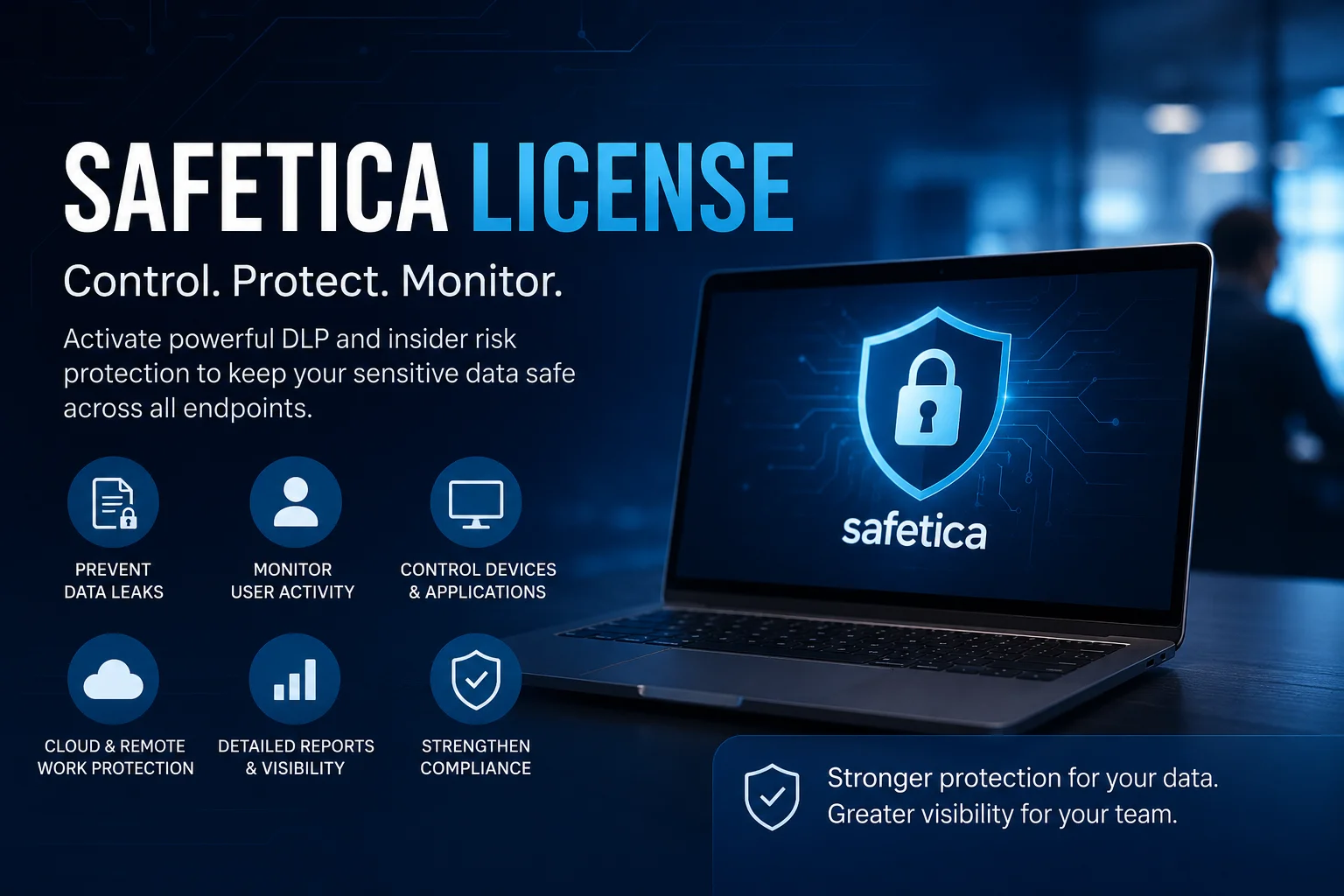
The Safetica platform focuses on Data Loss Prevention and Insider Risk Management. It helps organizations gain visibility into sensitive data and identify activities that could expose it.
Depending on the selected edition and configuration, relevant capabilities may include:
- Data discovery: Locate sensitive files and understand where information is stored.
- File activity monitoring: Track how files are accessed, copied, and transferred.
- Device control: Manage the use of USB drives and other removable storage.
- Email and web protection: Apply policies to reduce unauthorized data sharing.
- Insider risk monitoring: Investigate potentially risky user activity.
Consider a practical example: an employee suddenly transfers hundreds of company files to an external drive. That action doesn't automatically prove wrongdoing. The person could be preparing an approved migration or completing an assigned task.
However, the unusual activity may deserve a closer look. Monitoring and appropriate security policies can give the IT team useful context before deciding what to do.
Why Blocking Everything Isn't the Answer
There's a common problem with workplace security: controls that are too restrictive can make everyday tasks harder.
If employees cannot share legitimate documents or use the tools they need, they may look for workarounds. That can create new risks instead of solving existing ones.
Good DLP policies need to reflect how people actually work. Sensitive financial records may require tighter controls than ordinary internal documents. A finance employee may also need different permissions from someone working in marketing.
The aim is to protect important information without treating every file transfer as suspicious.
What to Know About Safetica Licensing
A Safetica License should be evaluated according to the organization's actual requirements, rather than simply choosing the broadest available package.
Several questions can help narrow down the options:
- How many users and endpoints need protection?
- Which types of sensitive information must be monitored?
- Are USB, email, web, or cloud data transfers particular concerns?
- Is cloud-based or on-premises deployment required?
- What reporting and compliance requirements apply?
The answers influence which capabilities and deployment arrangements are appropriate. Available features and licensing terms should be verified for the specific Safetica offering.
A More Practical Way to Think About Data Security
Before introducing new controls, organizations can start by identifying their most sensitive information. They can then map where it is stored, who needs access, and which transfer methods create the greatest risk.
From there, security teams can establish reasonable policies, monitor relevant activity, and review alerts to see whether the controls are working as intended. Employees should also understand why particular restrictions exist.
Safetica is one option organizations can evaluate when looking at DLP and insider risk protection. Whether it fits depends on the business environment, security priorities, and licensing requirements.
The bigger lesson goes beyond any single product: giving someone access to information is not the same as maintaining control over it.
And that's a question worth asking before the next file leaves the company.