Sign up with Google
 Sign in with Zoho

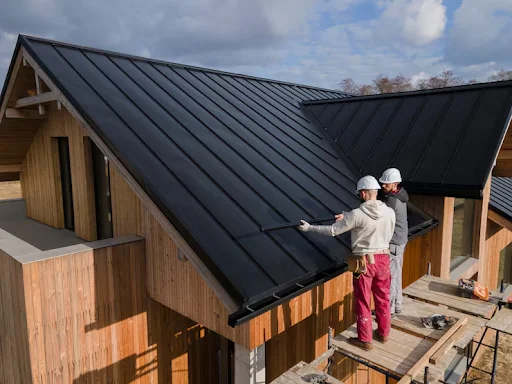
Choosing a roofer should start with the condition of the home and the exact scope of the work, not only a quoted total. Making a good decision involves more than choosing the first available option. Understanding the practical factors, trade-offs, and questions worth asking can help avoid unexpected expense or disappointment. This guide explains what matters, where common assumptions fall short, and how to assess a choice against real needs rather than marketing language.
Identify the roofing concern
Missing shingles, flashing damage, ceiling stains, and an ageing roof can have different root causes. Document visible symptoms from a safe location; do not climb onto a damaged roof. In that context, roofing companies provo utah should be assessed for practical fit rather than selected on its label alone.
Ask how the inspection works
A useful assessment addresses the roof surface, penetrations, drainage, and signs of trapped moisture. Request photographs and a clear explanation of what was inspected and what remains uncertain.
Be cautious of anyone who gives a definitive recommendation without enough inspection evidence. A responsible assessment should distinguish visible damage from concealed possibilities and describe when further investigation is needed. This is especially important when water has entered the building. When comparing options, treat roofing companies provo utah as a starting point for questions about specifications, cost, and use.
Compare like-for-like scopes
Bids may differ in underlayment, flashing, ventilation work, tear-off, disposal, and warranty details. Ask each contractor to identify exclusions and allowances rather than comparing totals without context.
Check credentials and coverage
Roofing companies Provo Utah homeowners consider should be evaluated for applicable licensing, insurance, and relevant experience. Verify details independently with appropriate authorities and request documentation before work begins.
For readers evaluating roofing companies provo utah, the key is to compare specific needs against the available choices rather than treating the category name as a guarantee of suitability. Contract details should make the project understandable to someone who was not present during the sales conversation. Check materials, methods, site access, payment stages, and the process for approving changed work. Written clarity matters when weather or hidden damage alters the schedule.
Understand local weather exposure
Snow, ice, wind, and sun can affect installation details and maintenance planning in Utah. Discuss water management and ventilation as part of roof performance, not merely shingle appearance. For buyers or planners, roofing companies provo utah is most useful when expectations are matched to the actual circumstances.
Review timing and site protection
Roof work can disrupt driveways, landscaping, and access to the home. Clarify the work schedule, weather contingencies, cleanup, and how discoveries under old roofing will be handled.
Consider long-term service alongside the immediate project. Keep photos, invoices, manufacturer information, and maintenance guidance in one place. A clear record can support future inspections, help with warranty questions, and reduce uncertainty when a different contractor visits the property. This is also a useful way to evaluate roofing companies provo utah without overlooking conditions that influence performance.
Plan for a documented handover
A complete record helps future maintenance and warranty claims. Keep material details, photographs, inspection records, receipts, and manufacturer paperwork.
Questions to Resolve Before Committing
Begin by writing down your intended outcome and the constraints that matter most. In this case, review the considerations behind identify the roofing concern and plan for a documented handover. Ask what can be confirmed now, what requires a sample or inspection, and which assumptions are only provisional. A short comparison of two or three options is often more informative than a long list of attractive features. Keep the decision tied to real use conditions and a realistic budget.
Assess roofing companies provo utah using the evidence available for your particular needs, not a generic promise.
A Practical Final Checklist
Before committing, collect the relevant measurements, specifications, or observations; check the provider’s documented scope; and keep records of questions and responses. Revisit any decision that depends on timing, site conditions, product compatibility, or changing regulations. The goal is not to eliminate every uncertainty but to recognize which details would materially change the outcome. If a proposed choice cannot be explained clearly, ask for additional evidence before spending more.
What Real-World Use Can Reveal
The details that look minor on a specification sheet often become important during daily use. Consider the scenario described in compare like-for-like scopes: Ask each contractor to identify exclusions and allowances rather than comparing totals without context. Compare that example with your own circumstances, including who will use the product or service and what would count as a satisfactory result. A practical trial, clear estimate, or documented inspection helps separate reasonable expectations from assumptions.
Conclusion
Choosing a roofer should start with the condition of the home and the exact scope of the work, not only a quoted total. The best outcome comes from matching the solution to actual conditions, reviewing the details behind claims, and keeping expectations realistic. Use the points above to compare options with care, confirm any important requirements, and make the final decision on documented information rather than assumptions.