Sign up with Google
 Sign in with Zoho

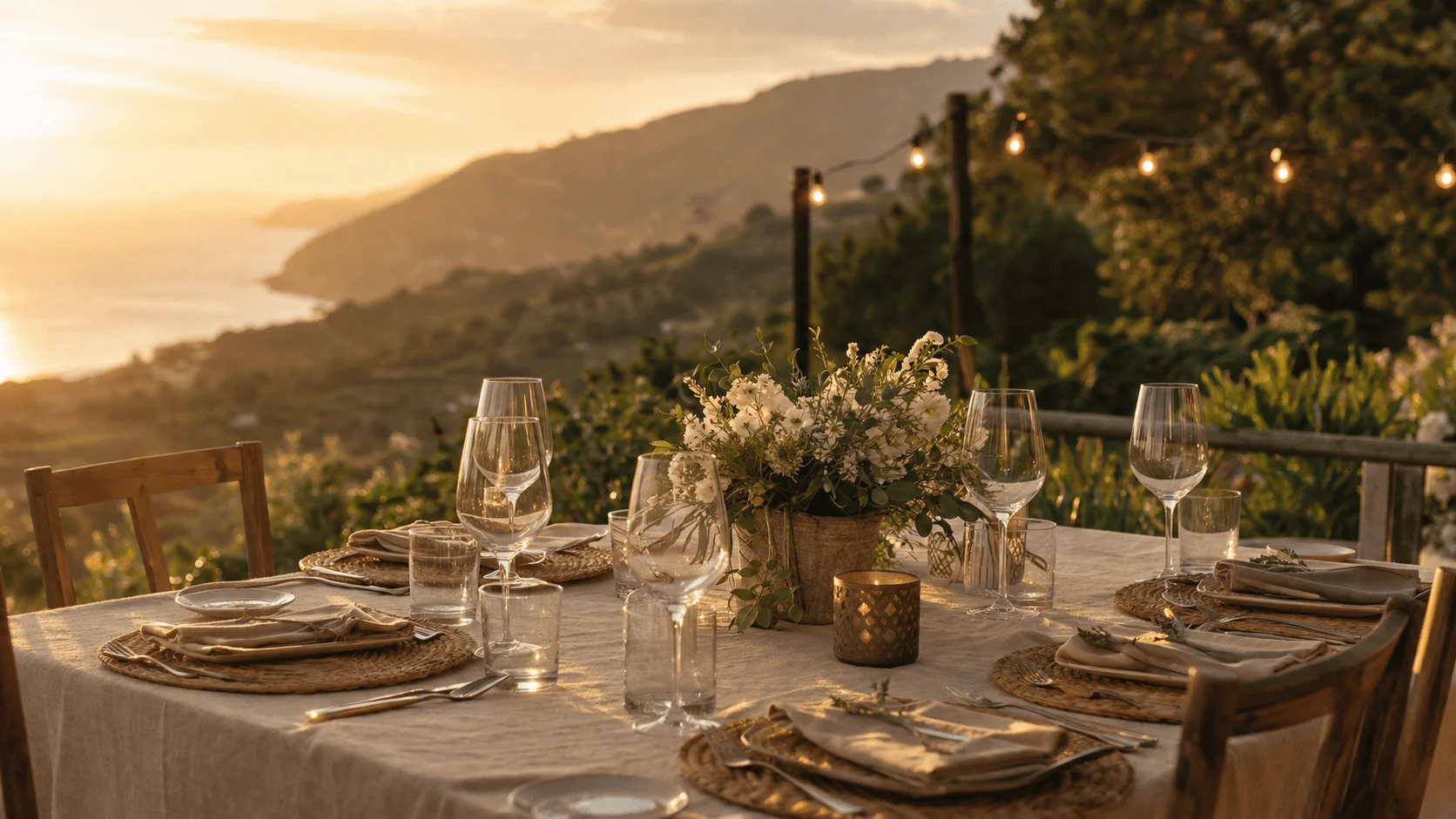
The definition of luxury travel has shifted noticeably over the past decade. It's no longer just about five-star hotel ratings or first-class flights; it's increasingly about access, personalization, and time. The travelers most satisfied with their trips tend to be the ones who've moved past collecting expensive stays and started prioritizing luxury travel experiences built around genuine access, whether that's a private vineyard tour, a chef's table unavailable to the general public, or a guide who can open doors a standard itinerary never would. Understanding this shift matters when planning any high-end trip, because the most memorable moments rarely come from the most expensive room.
Access Over Amenities
A well-appointed hotel room is easy to book and, at a certain price point, fairly similar from one luxury brand to the next. What's harder to replicate is access: a private after-hours visit to a museum, a meeting with a local artisan whose work isn't sold commercially, or a meal prepared specifically for a small group rather than a standard tasting menu. These moments tend to stick with travelers far longer than the thread count of their hotel sheets.
The Rise of Personalization
Modern luxury travel increasingly means trips built around a traveler's specific interests rather than a fixed, one-size-fits-all itinerary. A few examples of how this shows up in practice:
- Custom-built itineraries designed around a specific passion, whether that's wine, architecture, culinary history, or outdoor adventure
- Private guides with deep local expertise rather than standardized group tours
- Flexible scheduling that allows a trip to shift in real time based on weather, mood, or an unexpected recommendation
- Curated introductions to local experts, artisans, or producers who don't typically host visitors
Slower Travel as a Luxury
Counterintuitively, one of the clearest markers of a high-end trip today is simply doing less. Packing five cities into ten days used to be seen as maximizing value; increasingly, travelers are recognizing that spending more time in fewer places allows for a depth of experience that a rushed itinerary can't match. Staying somewhere long enough to return to the same local market twice, or to build a rapport with a restaurant owner, often produces more memorable travel than a packed checklist ever could.
Private and Small-Group Experiences
Group size has become one of the clearest lines separating standard travel from a genuinely elevated one. A tasting with twenty other people is a fundamentally different experience than the same tasting with two or three others, even if the wine or food is identical. This is part of why smaller boutique operators, guides, and experience providers have become such a defining part of high-end travel planning, since they can offer that intimacy at a scale larger operations simply can't.
Sustainability and Authenticity
Increasingly, luxury travelers are also weighing how their trip affects the places they visit. This has led to growing interest in experiences that support small, local producers and businesses directly, rather than large commercial operations disconnected from the destination itself. A trip that channels spending toward the people and places actually being visited tends to feel more meaningful, and often more memorable, than one built entirely around large international brands.
Planning With Intention
The common thread across all of this is intentionality. The most satisfying high-end trips are rarely the ones with the longest list of five-star stays; they're the ones built around specific, well-chosen experiences that couldn't easily be replicated by someone else's itinerary. Whether that means a private wine cellar tour, a slower pace across fewer destinations, or a guide who knows a place far better than any guidebook could, the details that make a trip feel genuinely luxurious are usually the ones that can't simply be booked off a standard menu.
Starting the Planning Process Early
Because the most meaningful experiences often depend on access rather than availability at a hotel front desk, planning further in advance tends to pay off. Private guides, small-group experiences, and exclusive introductions frequently need to be arranged weeks or months ahead, especially during a destination's peak season. Travelers who start this process early, rather than trying to assemble everything at the last minute, generally end up with a far richer trip, simply because the best experiences are the ones that require the most lead time to secure.