Sign up with Google
 Sign in with Zoho


The word luxury has a problem. It has been attached to so many things — hotel categories, airline seating classes, car rental tiers, cruise ship decks — that it has almost lost the ability to mean anything specific. When everything is luxury, nothing is.
But the experience luxury was originally trying to describe is real, and the travelers who have found it are not using the word anymore. They are talking about time, access, and the quality of the experience itself. They are describing meals that changed how they think about food, places that changed how they think about travel, and moments that were simply impossible to manufacture in advance.
That is what this piece is about. Not luxury as a marketing category. Luxury as a way of experiencing travel that is worth the investment — because the investment is in something that lasts.
The Old Definition and Why It No Longer Holds
For most of the twentieth century, luxury travel was defined by the tangible: thread count, cabin class, hotel category, restaurant stars. The Ritz-Carlton or nothing. Business class or why bother. Three Michelin stars or you could have done better.
This definition made sense in an era when access to those experiences was genuinely scarce. A five-star hotel in Paris in 1975 was rare enough that the category itself carried meaning. In 2026, five-star hotels exist in every major city on earth, business class cabins have been democratized by points programs and credit card partnerships, and Michelin stars have proliferated to the point where a one-star restaurant in a mid-sized American city is now a realistic Tuesday option for a professional with a reasonable travel budget.
What was scarce has become accessible. The status signal has blurred. And the travelers who were chasing the category rather than the experience have discovered that a thread count does not, by itself, make a trip worth remembering.
The New Definition: Access, Time, and the Unrepeatable
- Access to What Cannot Be Booked
The most meaningful luxury travel experiences of the current decade share a common quality: they involve access that is not available to the general public, regardless of how much money that public is willing to spend.
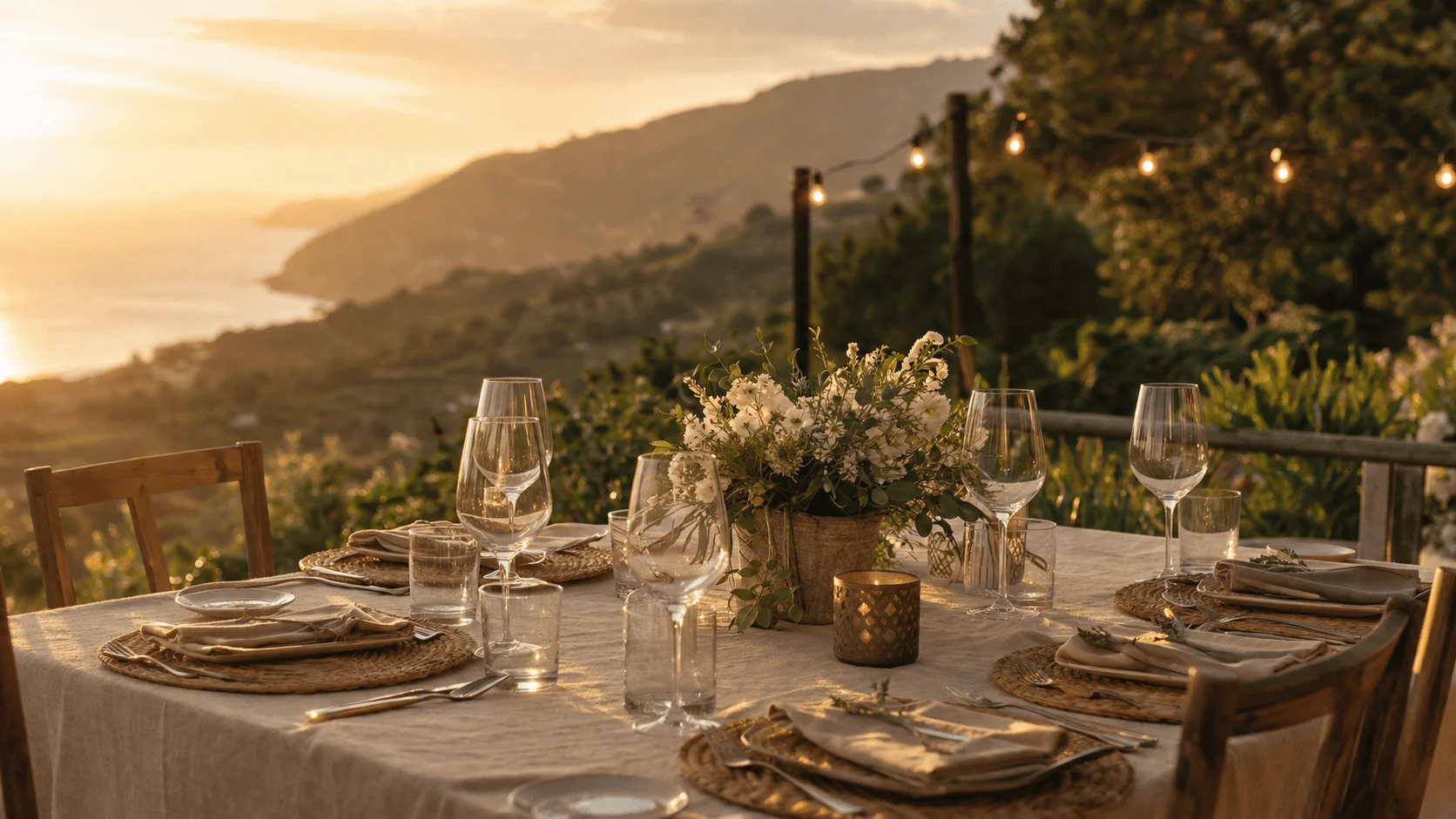
A private harvest dinner at a Napa estate, attended by twelve guests and the winemaker who built the cellar. A guided morning in the kitchen of a chef who does not take reservations for cooking classes. An introduction from someone who knows someone — the kind of access that money alone does not purchase, but that curated luxury travel experiences are increasingly being built around. This is the frontier of what luxury actually means in 2026: not the five-star rating, but the story that only you can tell afterward.
- Time as the Real Luxury
The most consistent thing that separates a genuinely luxurious travel experience from an expensive one is time. Not schedule flexibility — though that matters — but the quality of attention that enough time allows.
A wine country week where every afternoon has two hours built into it for nothing in particular is a fundamentally different experience from a wine country weekend where every hour is booked. The spontaneous conversation with a winemaker that turns into an impromptu cellar tour only happens in the first version. The roadside farmstand you pull over for on the way back from a tasting only happens when you have no appointment to rush toward.
Itinerary density is the enemy of genuine experience. The most luxurious travel decision you can make is to plan fewer things and experience each one more fully.
- The Unrepeatable Moment
There is a category of travel experience that exists at the intersection of timing, preparation, and genuine curiosity that no amount of money can reliably purchase. It requires showing up at the right moment, having done enough background to recognize what you are seeing, and being willing to stay longer than the itinerary suggests.
Watching a harvest at a small Sonoma estate where you know the winemaker's name. Eating at a restaurant on the night a dish comes off the menu for the season and the chef brings out an experimental version of the replacement to your table, unbidden, to see what you think. Standing on a Napa hillside at dusk in October when the valley is lit in a way it is not lit on any other evening of the year.
How to Travel This Way
Invest in Curation, Not Category
The practical implication of everything above is this: the most valuable thing you can spend your travel budget on is not the category upgrade. It is the person who knows what is actually worth your time.
A trusted sommelier's recommendation will take you to a winery that three Google searches would never surface. A local restaurateur's dinner party invitation is worth more than any number of Michelin stars. A travel curator who has personally visited every property they recommend is worth more than any booking platform's loyalty tier.
Build for the Story, Not the Photo
The experiences that last are the ones you can describe twenty years later in a way that makes someone else want to have been there. The hotel suite photographs beautifully and fades from memory within a year. The dinner conversation that turned into a four-hour education in Portuguese wine stays with you because it changed something.
Ask yourself, before booking anything: will I be telling this story in ten years? If the answer is yes, book it. If the answer depends on the Wi-Fi quality or the thread count, think again.
Conclusion
Luxury travel in 2026 is not dead. It has simply moved. It is no longer hiding in hotel categories and airline cabin classes. It is in the access that requires knowing the right people. The time that requires resisting the urge to fill every hour. The unrepeatable moment that requires being present enough to recognize it when it arrives.
Those experiences exist. They are more available than they have ever been to the traveler who knows how to look for them. And they are worth every dollar that genuine curation costs.