Sign up with Google
 Sign in with Zoho
From small brackets to large industrial enclosures, sheet metal parts are everywhere. Many industries rely on this method because it is reliable, flexible, and cost-effective.
In this, we’ll walk through the basics of sheet metal fabrication, discuss common techniques and tools, and highlight mistakes that businesses should avoid. Whether you are a startup, a design engineer, or someone exploring manufacturing options, this guide will help you better understand the process.
What Is Sheet Metal Fabrication?
Sheet metal fabrication is the process of turning flat metal sheets into usable parts and structures. This involves cutting, bending, shaping, and joining metal to create components used across many industries.
Some common materials include:
- Stainless steel
- Mild steel
- Aluminum
- Galvanized iron
- Copper
Among these, aluminium and stainless steel sheet metal fabrication are widely used. Aluminium is preferred for its lightweight and corrosion-resistant properties, while stainless steel is valued for its strength and durability.
Understanding the Sheet Metal Fabrication Process
Before jumping into techniques, it’s important to understand the typical sheet metal fabrication process. While the exact steps may vary, most projects follow a similar path.
1. Design and Planning
Every project begins with drawings or CAD models. These define dimensions, tolerances, and material selection.
Good planning helps avoid waste, delays, and rework.
2. Cutting
The metal sheet is cut into the required shape. Popular cutting methods include:
- Laser cutting
- Plasma cutting
- Shearing
- Punching
Laser cutting is commonly preferred for its accuracy and clean edges.
3. Bending and Forming
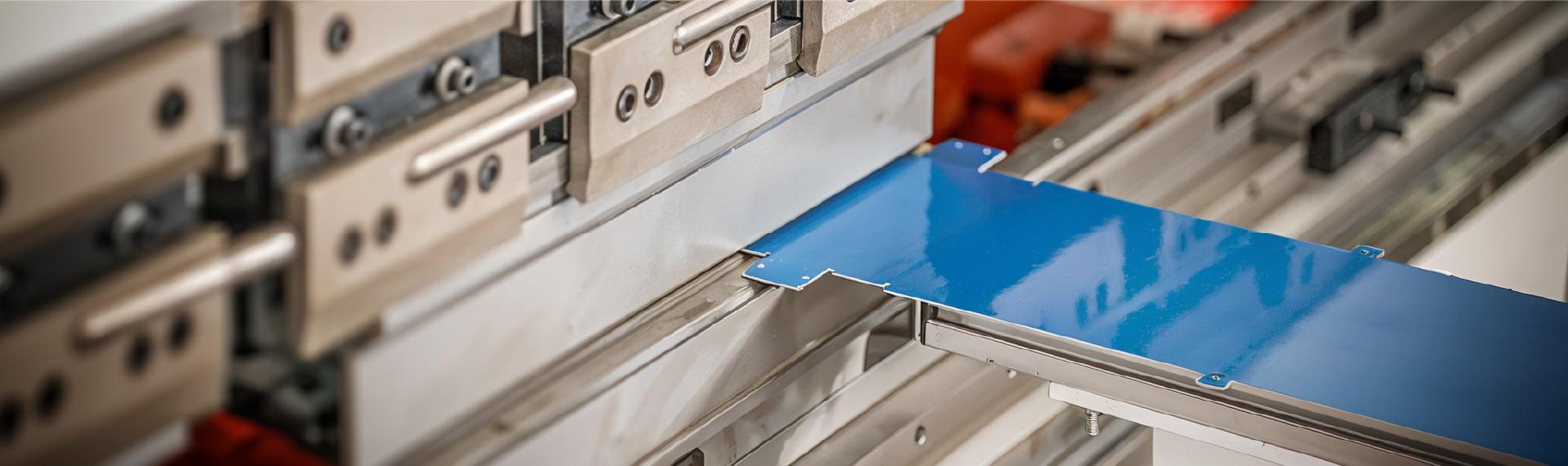
After cutting, the sheet is shaped using bending machines or press brakes. This step turns flat pieces into 3D parts.
4. Joining
Different parts are assembled using methods such as:
- Welding
- Riveting
- Bolting
- Fastening
5. Finishing
Finishing improves appearance and durability. This may involve:
- Powder coating
- Polishing
- Brushing
- Surface treatment
Key Techniques in Sheet Metal Fabrication
Let’s explore the techniques that define custom sheet metal fabrication.
1. Cutting Techniques
Cutting is the foundation of any fabrication project.
Laser Cutting
- Clean and precise
- Minimal material waste
- Suitable for complex shapes
Shearing
- Fast for straight cuts
- Ideal for simple designs
Punching
- Efficient for repeated holes and patterns
Each technique is selected based on cost, material, and design needs.
2. Bending Techniques
Bending transforms flat sheets into functional parts.
Press Brake Bending
- Most widely used
- Accurate angles
- Suitable for many materials
Roll Bending
- Used for curved shapes
- Common in cylindrical parts
Proper bending requires careful planning to prevent cracks or deformation.
3. Forming and Stamping
Used for creating complex shapes at scale.
- Good for large production volumes
- Reduces manual work
- Consistent output
This method is often used by sheet metal fabrication manufacturers handling bulk orders.
4. Welding and Joining
Joining is what brings all fabricated parts together into a strong, finished structure. Proper welding ensures durability, stability, and long-term performance.
Spot welding is widely used in sheet metal fabrication for its speed, precision, and reliability. It is especially effective for joining thin metal sheets while maintaining structural strength.
This method allows us to deliver consistent quality and strong joints across a wide range of applications.
Essential Tools Used in Sheet Metal Fabrication
Behind every fabricated part are reliable tools and machines.
Cutting Tools
- Laser cutting machines
- Shearing machines
- Punch presses
These tools determine the accuracy and quality of the part.
Bending Tools
- Press brakes
- Folding machines
- Rolling machines
Measuring Tools
Precision is critical in fabrication.
- Vernier calipers
- Micrometers
- Height gauges
Even small measurement errors can create fitting problems later.
Joining Tools
- Welding machines
- Riveting tools
- Fastening equipment
Common Mistakes in Sheet Metal Fabrication (And How to Avoid Them)
Even well-planned projects can run into issues. Let’s look at frequent mistakes and simple ways to prevent them.
1. Poor Material Selection
Choosing the wrong material can lead to:
- Weak parts
- Corrosion issues
- Unnecessary costs
For example, stainless sheet metal fabrication is ideal for environments exposed to moisture or chemicals.
Tip: Always match the material to the application.
2. Ignoring Bend Allowance
Many design errors occur because the bend allowance is overlooked.
Metal stretches during bending. If not calculated correctly:
- Parts may not fit
- Dimensions may shift
Tip: Include bend calculations in the design stage.
3. Overly Complex Designs
Complex designs increase:
- Manufacturing time
- Costs
- Risk of errors
Tip: Keep designs practical and production-friendly.
4. Incorrect Tolerances
Unrealistic tolerances create problems.
- Too tight → Higher cost
- Too loose → Poor fit
Tip: Use tolerances that balance function and manufacturability.
5. Neglecting Surface Finish
Finishing is often treated as an afterthought.
Poor finish can affect:
- Appearance
- Durability
- Customer perception
Tip: Plan finishing requirements early.
6. Lack of Communication with Manufacturers
Misunderstandings between designers and sheet metal fabrication manufacturers can lead to delays and rework.
Tip: Maintain clear communication, drawings, and specifications.
Why Custom Sheet Metal Fabrication Matters
Custom sheet metal fabrication allows businesses to create parts tailored to their exact needs.
Benefits include:
- Better fit and function
- Reduced assembly issues
- Material optimization
This is especially valuable for industries with unique product requirements.
The Growing Demand for Stainless Sheet Metal Fabrication
Stainless steel continues to gain popularity due to:
- Strength
- Corrosion resistance
- Clean visual appeal
From food processing equipment to industrial panels, stainless sheet metal fabrication serves many applications.
Choosing the Right Sheet Metal Fabrication Partner
Selecting the right manufacturer is just as important as design and material selection.
Look for:
- Experience with similar projects
- Quality control practices
- Clear communication
- Reliable timelines
A dependable partner helps reduce risks and improve overall results.
Final Thoughts
Sheet metal fabrication remains one of the most versatile manufacturing methods today. With the right techniques, tools, and planning, businesses can achieve reliable, cost-effective production.
Avoiding common mistakes, such as poor material choice, incorrect bend calculations, and unclear specifications, can save time and money.
At Mech Power, we understand the importance of precision, consistency, and practical manufacturing. Whether your requirement involves custom sheet metal fabrication, stainless components, or large-scale production, careful planning always leads to better outcomes.
If you have a sheet metal fabrication requirement, submit an inquiry to get started.