Sign up with Google
 Sign in with Zoho

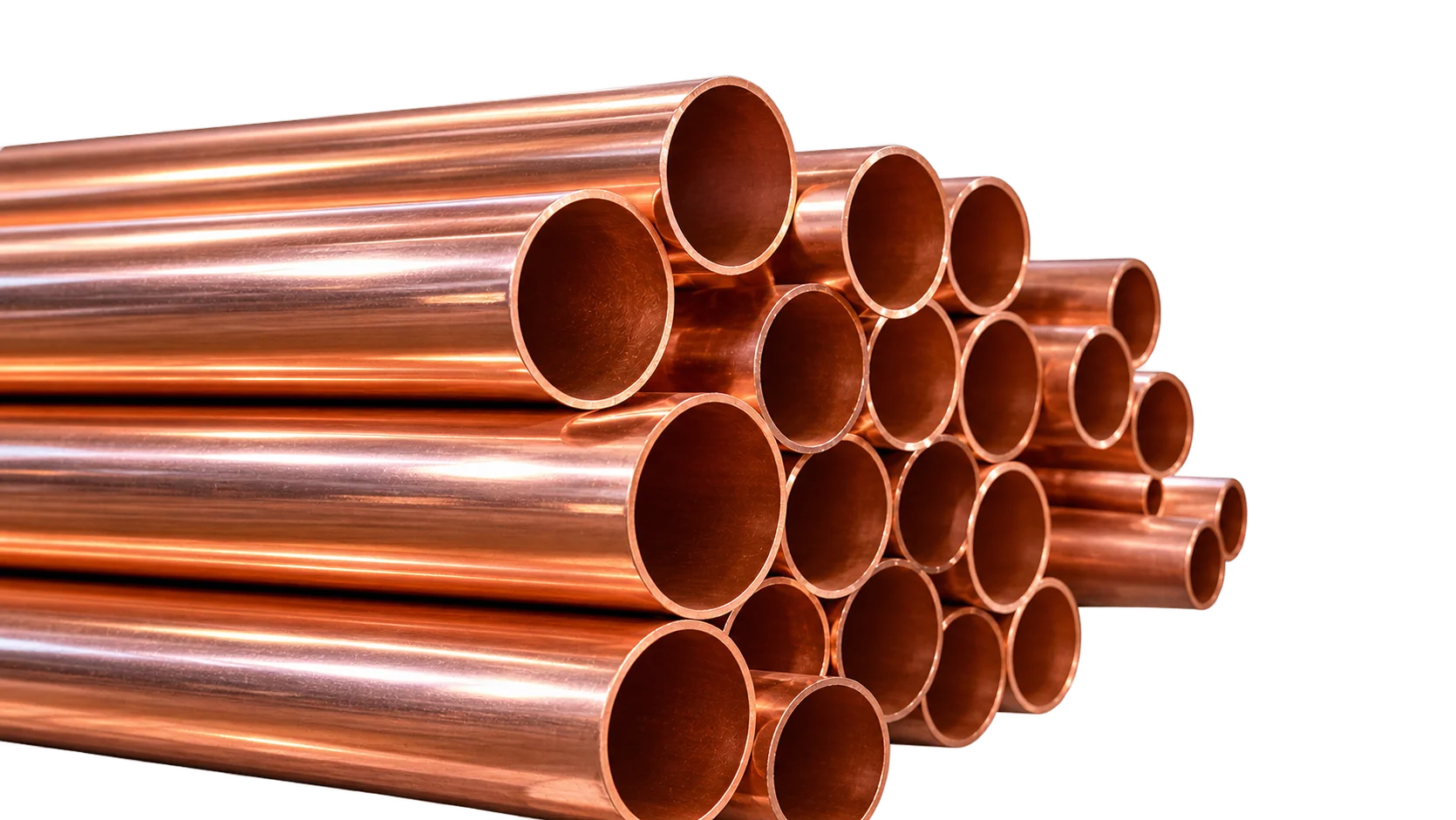
Medical Gas pipes in copper are lifelines of the modern medical facilities. The purity and reliability of oxygen, nitrous oxide and medical vacuum support gases are totally dependent on the copper tubing used to supply them to the patient. Manufacturers, engineers, and procurement specialists need to know these technical standards and manufacturing requirements not only to help themselves, but also for patient safety.
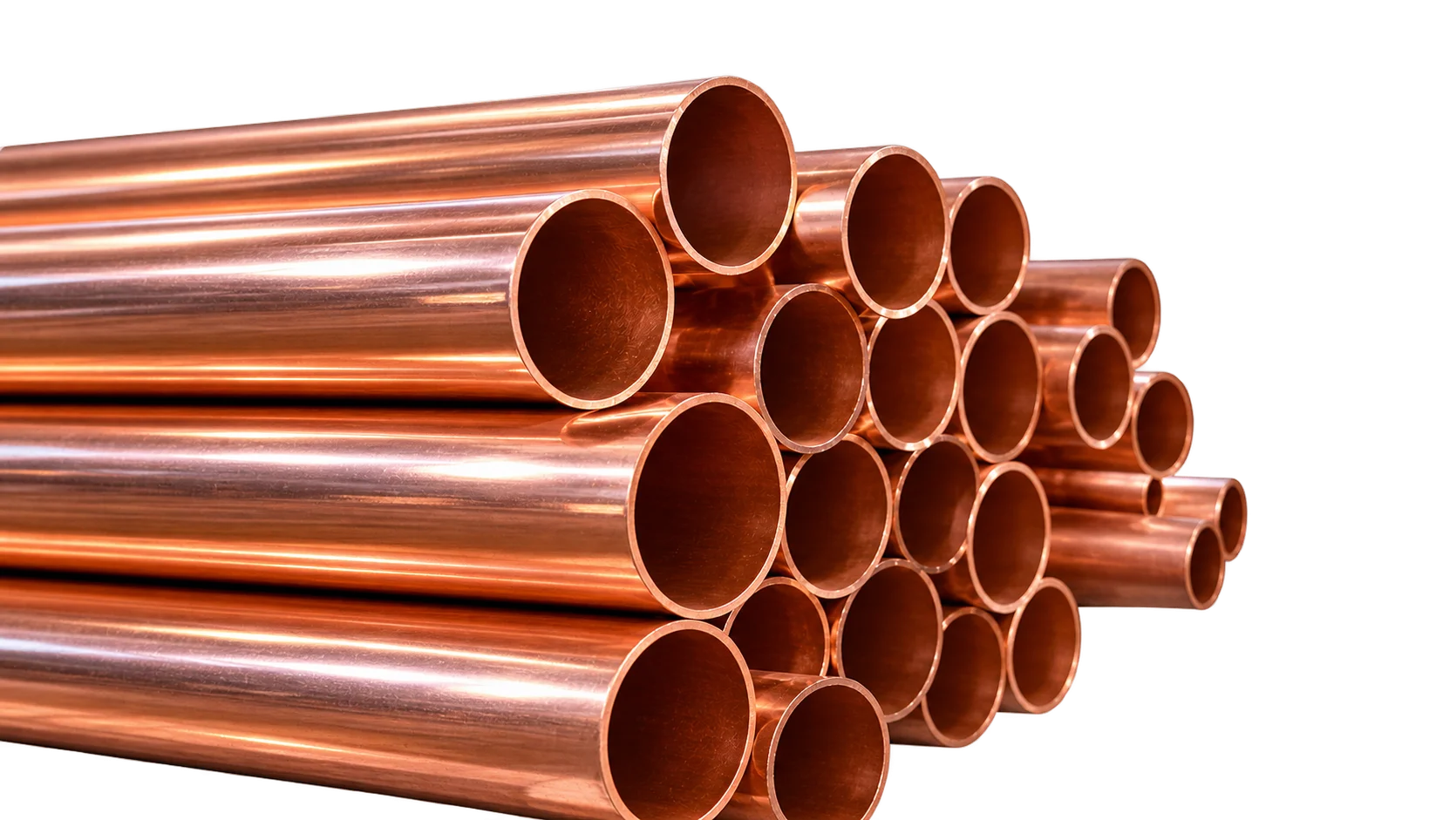
This guide explains what medical grade copper pipe manufacturing entails — the raw material requirements, the cleaning methods to remove medical product from non-medical copper pipe.
What Makes Medical Gas Copper Pipe Different?
Medical gas copper pipes are copper pipes of high precision that can be used to carry medical gases and liquid oxygen suitable for human consumption. The consequences of contamination, corrosion and material failure are greater than those found in normal plumbing: patient care can be directly affected.
The main difference is in the manufacturing standard. Medical gas copper tubing should meet the requirements of ASTM B819, Standard Specification for Seamless Copper Tube for Medical Gas Systems. This specification defines the requirements for two wall thickness schedules (K and L) and specifies unique manufacturing, testing and cleaning requirements that are not required with standard copper pipe.
The Manufacturing Process: From Billet to Medical-Grade Tube
Manufacturing medical gas copper pipe follows a controlled sequence designed to produce seamless, dimensionally precise, and contamination-free tubing.
Step 1: Hot Working and Cold Drawing
The process begins with a copper billet, which undergoes hot working to convert it into a tubular shape. The tube is then cold worked to the finished size, a critical step that imparts the dimensional accuracy and surface finish required for medical applications.
Medical gas tubing is furnished in the H58 (Drawn General Purpose) temper, a hardness condition that balances strength with the workability needed for brazed connections.
Step 2: Mechanical Testing and Quality Verification
Every production batch undergoes mandatory testing to verify compliance with ASTM B819:
- Tension test: Determines the tube’s tensile strength
- Rockwell hardness test: Confirms the material meets the specified hardness range
- Eddy-current test: A non-destructive examination that detects surface and subsurface defects without compromising the tube’s integrity
These tests ensure that each length of tubing can withstand the pressures and handling demands of installation in hospitals and surgical centers.
Step 3: Specialized Cleaning for Oxygen Service
This is where medical gas copper pipe manufacturing diverges most sharply from standard copper tube production. Because medical gases — particularly oxygen — can react violently with oil, grease, and other oxidizable materials, the cleaning process must remove every trace of contamination.
ASTM B819 permits several cleaning methods, used individually or in combination:
- Alkaline washing
- Steam solvent washing
- Steam detergent washing
- Steam washing
- Vapor degreasing
- Refrigerant degreasing
After cleaning, the tubes must be capped or plugged to prevent recontamination during storage and transport. This cleaning protocol is performed as if the tubing were being prepared for direct oxygen service — because in practice, it is.
Why Copper Remains the Material of Choice
The use of copper in medical gas systems is due to a number of properties that few other materials can combine.
The corrosion resistance and gas purity:Copper is actually resistant to corrosion in its natural state, and this is significant if gases are being transported and require them to be pure. Corrosion adds foreign material to the gas flow which may affect patient safety and/or make the gas unsuitable for clinical use.
Fire Resistance and Thermal Stability:Fire Resistance and Thermal Stability.Fire safety is a must in a healthcare environment. Copper’s melting point is 1,984 degrees Fahrenheit compared to plastic which softens around 300 degrees and starts to emit smoke when it is lit by a flame. The low thermal expansion characteristics of copper also ensure the system’s stability under temperature changes.
Antimicrobial Properties:Copper’s natural antimicrobial properties inhibit the growth of bacteria both from the inside and out. In a medical environment where infection control is of paramount importance, this property offers added protection that is not offered by plastic piping.
Microbial resistance and sterility:The smooth, non-porous surface of copper reduces the chance of bacteria being able to attach themselves to the gas distribution system, whereas plastic can harbor bacteria in the semi-permeable matrix.
Selecting a Medical Gas Copper Pipe Manufacturer
These are the factors to take into account when assessing suppliers:
Certification and Testing: Is there documentation of the manufacturer that attests to ASTM B819 compliance and includes the following tests: Tension, Hardness, Eddy-Current?
Cleaning Protocols: How should the product be cleaned, and how do you prevent contamination after cleaning during storage and transport?
Material Traceability: Is the manufacturer able to trace the finished tubing back to the copper billet source?
Industry Experience: Does the manufacturer have experience in supplying medical gas tubing to hospitals, surgical centres or other healthcare facilities?
The medical gas systems use both Type K and Type L tubes of different sizes. A good manufacturer will have a full line of product of consistent quality available in various sizes.