Sign up with Google
 Sign in with Zoho

Medical gas piping systems are essential in healthcare facilities, hospitals, clinics and laboratories. They deliver necessary medical gases (oxygen, medical air, nitrous oxide, carbon dioxide, and vacuum) to patient care areas. These systems are used directly in healthcare operations, so the quality, cleanliness, reliability and dimensional accuracy of the piping material is of high concern.
A Medical Gas Copper Pipe Manufacturer is a company that focuses on manufacturing copper pipes for medical gas pipeline systems (MGPS). These pipes are ready-made and ready to conform to the applicable medical-gas piping standards and project specifications.
Medical Gas Copper Pipe — What Is It ?
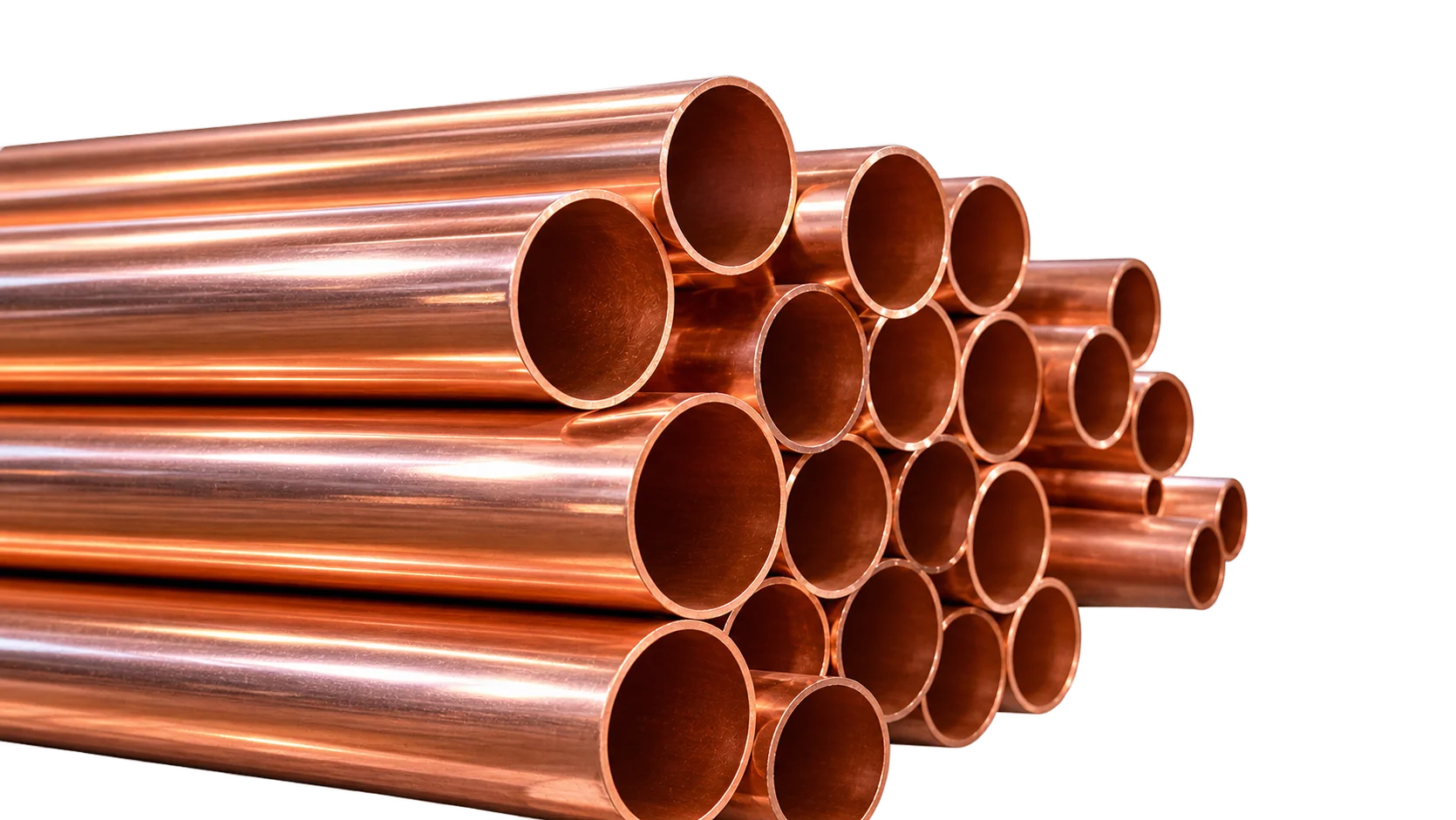
Medical gas copper pipes are a type of copper pipes specially manufactured to distribute medical gases in healthcare facilities. Medical-gas tubing is subject to extra considerations of internal cleanliness, manufacturing quality, surface condition, joining, packaging, and handling, as compared to ordinary plumbing copper pipe.
The pipes are usually delivered to the site cleaned and capped to minimize the chances of contamination prior to installation. The safety and performance of the complete medical gas pipeline system is also dependent upon proper installation, brazing, testing and commissioning.
The medical gas industry is using copper piping for a variety of reasons.
Copper is an ideal material for medical gas pipeline installations because it has several desirable properties:
- Excellent corrosion resistance
- Good mechanical strength
- Reliable long-term performance
- Smooth internal surface
- Excellent thermal conductivity
- Suitable joining characteristics
- Good dimensional stability
- Available in various sizes
In the case of medical use, however, it is not only the material, copper, that is required. The manufacturing, cleaning, storage, transportation, installation and testing procedures are all to be under controlled conditions.
Medical Gas Copper Pipe Manufacturer — Key Requirements
Buyers should consider more than just the price when choosing a manufacturer. Important considerations include:
Requirement Importance
Copper quality of material Ensures reliable mechanical and physical properties
Dimensional accuracy Helps ensure proper installation and connections
Internal cleanliness Medical gas applications — important
Surface condition Helps maintain pipe quality during installation
To protect the end from contamination while performing the handling operation.
Manufacturing consistency Ensures uniformity between the production batches.
Traceability Enables to trace material and production information
Packaging Helps to protect cleaned tubing during transportation and storage
Testing & inspection Helps verify product conformity with specifications
Custom sizes Great for specific project needs
Common Applications
Medical gas copper pipes are found in a wide variety of health care facilities such as:
- Hospitals
- Clinics
- Nursing homes
- Medical laboratories
- Diagnostic centers
- Operating theatres
- Intensive care units
- Emergency departments
- Dental facilities
Healthcare research facilities
They may be used in pipeline systems to distribute gasses from a centralized source to outlets, equipment, and patient-care areas.
Medical Gas Copper Pipe Sizes
Medical gas copper tubing can be provided in a variety of sizes, depending on the pipeline system design and project requirements.
Popular options can be:
The Art Gallery will be able to accommodate custom sizes for specific projects.
Note: This is intended to reference the actual pipe size, wall thickness, tolerances and allowable sizes as always should be.
Medical Gas Copper Pipe Standards
Medical gas piping projects may have varying standards based on country, healthcare authority and project requirements. Standards can include material requirements, size, cleanliness, joining, installation, testing and commissioning.
For instance, EN 13348 is related to copper and copper alloy tubes for medical gases and vacuum systems. Depending on the place of installation, other national or international standards may apply.
Hence, one should supply products as per the specific standard and specification requested by the customer as one specification can't be considered applicable for all market.
Manufacturing Process
A good manufacturer of medical gas copper pipe typically has a tight control on production.
1. Raw Material Selection
To select the suitable copper material for different specification and use.
2. Tube Manufacturing
Controlled dimensions and wall thickness seamless copper tubes produced by copper processing.
3. Dimensional Inspection
The tubing is inspected for dimensional, wall thickness and straightness etc. requirements.
4. Cleaning
The medical gas tubing must be cleaned to remove contaminants from the inside and outside of the tubes.
5. End Capping
Cleaned pipe ends are capped to keep the pipe's interior clean while in storage and transit.
6. Inspection and Testing
Products can be inspected based on the specification and customer requirements.
7. Packaging
The pipes are cleaned and capped then carefully packaged to minimize potential for contamination prior to installation.
The advantages of opting for a reputable manufacturer include:
Partnering up with a seasoned Medical Gas Copper Pipe Manufacturer can offer a number of benefits:
Consistent Quality: Controlled manufacturing ensures dimensions and product quality are consistent.
Clean Product Supply: Using the right cleaning and end protection helps ensure the necessary cleanliness.
Project Compatibility: Manufacturers are able to provide the products based on the dimensions and standards.
Traceability: Documentation/batch identification can be used to aid quality-control procedures.
Customization: Some manufacturers may be able to provide custom sizes, lengths, and packaging options.
Reliable Supply: Production and quality-control systems are in place which can support larger healthcare projects.
The selection of a medical gas copper pipe manufacturer is not so simple.
Potential buyers need to take into account:
Applicable standards – Ensure that the manufacturer is able to provide tubing to the required standard.
Material specifications – check for copper grade and technical requirements.
Cleanliness procedures – Inquire about pipe cleaning and protection procedures.
Quality documentation – Note if there are inspection or material certificates available.
Manufacturing capacity - verify supplier's ability to meet the quantity and schedule of the project.
Packaging – Ensure that the cleaned tubing is protected by the packaging.
Customization – see if the needed dimensions and lengths are available.
Export capability – check packaging and documentation requirements if exporting.
Medical Gas Copper Pipe vs. Standard Plumbing Copper Pipe
Medical gas applications share many of the characteristics of using copper tubing but have stricter requirements for cleanliness and system installation.