Sign up with Google
 Sign in with Zoho
.webp)
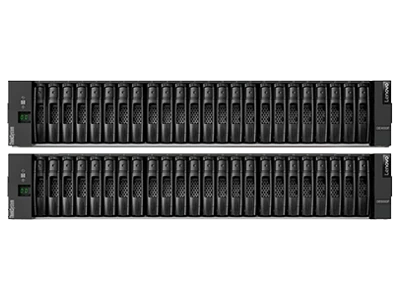
Buying your first storage network feels exciting and a little stressful at the same time. You know your data is growing every day. Files keep adding up. Projects get bigger. Teams need faster access.
At some point, your current setup starts slowing you down. That is when a storage network becomes more than a nice option. It becomes a real need.
Still this is not a small decision. You are not just buying hardware. You are building the base of how your data will live and move. A wrong choice can lead to slow systems and wasted money. A smart choice can make your work smooth and stress free.
Before you invest, take a step back. Think about what truly matters for your situation. The right factors will guide you toward a setup that works for you not against you.
1. Understand Your Data Needs
Your storage network should match your real data needs. Not what you think you might need someday. Not what others say is best. Start with what you actually use tod
Think about the type of data you handle. Are you storing large video files or simple documents? Are you working with images or databases? Each type behaves differently. Some need fast access. Others need safe long-term storage. When you use a storage area network, you can manage these different data types in a more organized way and give each type the right level of speed and protection.
Then look at how fast your data is growing. Many people ignore this part. They buy a system that works for now but struggles within months. Growth matters more than current size.
Know Your Daily Data Flow
Pay attention to how your data moves during the day. This tells you what kind of performance you need.
Ask yourself
- How many users access the system at once
- How often files get updated
- How much data moves in a normal workday
- Whether you need real-time access or delayed access
If your team works on shared files all day then speed becomes critical. If you store backups that you rarely touch then capacity matters more than speed.
A clear picture of your data flow helps you avoid overbuying or underbuying. You spend where it matters most.
2. Balance Performance and Cost
Everyone wants fast storage. No one wants to overspend. This is where balance comes in. High performance systems cost more. They offer quick access and smooth workflows. Lower-cost systems save money but may slow down under pressure. You need to find your sweet spot.
Do not chase top specs just because they look impressive. Think about what your work really needs. Many setups perform well without being top tier.
Choose the Right Speed Level
Different storage technologies offer different speeds. Some are built for heavy workloads. Others work well for simple storage.
Consider
- SSD-based systems for fast access
- Hybrid systems for a mix of speed and value
- HDD based systems for large storage at lower cost
If your work depends on quick file access then faster storage makes sense. If your focus is on archiving data, then you can save money with slower options. The goal is not maximum speed. The goal is the right speed for your daily tasks.
3. Plan for Future Growth
Your first storage network should not feel outdated too soon. Growth planning saves you from early upgrades and extra spending.
Many people focus only on current needs. They forget how fast things change. New projects come in. Teams expand. Data doubles faster than expected. You need a system that grows with you.
Look for Easy Expansion Options
A good storage network should allow you to expand without stress. You should not need to replace everything just to add more space.
Check for
- Extra drive slots
- Support for adding new units
- Flexible scaling options
- Simple upgrade paths
When expansion is easy, you stay in control. You do not panic when storage runs low. You simply grow your system step by step. This approach keeps your investment safe for the long run.
4. Focus on Data Safety and Backup
Data loss hurts more than slow performance. You can wait for files to load. You cannot recover lost work easily.
Your storage network must protect your data at all times. This includes hardware failures and human mistakes.
Think about what happens if a drive fails. Or if someone deletes important files by accident. Your system should handle these situations without panic.
Build a Strong Protection Setup
Data safety is not just one feature. It is a combination of smart choices.
Look for
- RAID support for drive failure protection
- Automatic backups
- Snapshot features for quick recovery
- Offsite backup options
A strong protection setup gives peace of mind. You work without fear of losing important data. Your team trusts the system. Never treat safety as optional. It should be part of your core decision.
5. Consider Ease of Use and Management
A powerful system is useless if it feels confusing. You should not struggle to manage your own storage network.
Simple management saves time. It reduces errors. It makes your daily work smoother.
Think about who will handle the system. If you do not have a full time IT expert then ease of use becomes even more important.
Choose a User Friendly System
Look for systems that offer clear interfaces and simple controls. You should be able to manage storage without digging through complex settings.
Check for
- Easy setup process
- Clear dashboards
- Simple user access control
- Helpful alerts and notifications
A user-friendly system lets you focus on your work. You spend less time fixing issues. You spend more time getting things done. This makes a big difference over time.
Conclusion
Your first storage network is more than a technical purchase. It shapes how you store, access and protect your data every day. When you take time to weigh the right factors, you avoid common mistakes that many beginners make.
Focus on your real data needs and how your system will grow. Balance performance with cost so you do not overspend. Make data safety a priority so your work stays secure. Choose a system that feels easy to manage so it supports you instead of slowing you down.
A thoughtful decision now will save you time, money, and stress later. Your storage network should feel like a strong support system that grows with you and keeps your work running smoothly.