Sign up with Google
 Sign in with Zoho
.webp)
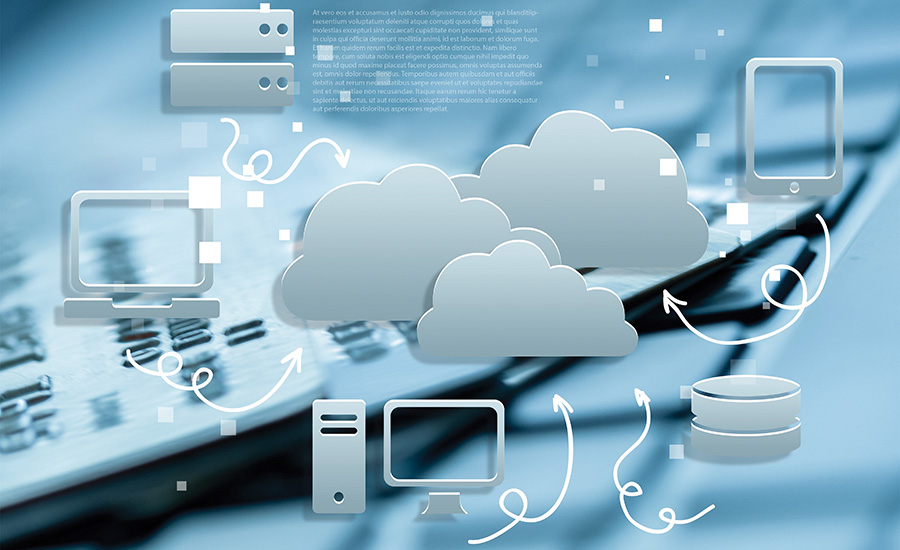
Cloud services are becoming a part of everyday business work very quickly.
Today, more than 94 out of 100 companies use cloud services to store data, run apps, and keep files safe, according to recent research.
Many companies now run more than half of their work on cloud systems. This means cloud tools help workers and business owners work faster and with less stress. In 2026, we will see big changes in how cloud services help businesses collaborate remotely and keep data safe and private.
Here we’ll talk about the trends that will shape business IT in 2026.
1. Hybrid and Multi-Cloud Setups
Hybrid cloud and multi-cloud are ways businesses use multiple types of cloud together. A hybrid setup means some data stays on the business servers, and some data goes to cloud systems on the internet.
A multi-cloud setup means the business uses cloud systems from multiple providers simultaneously. These cloud service trends help businesses grow with confidence by combining security and flexibility. Many businesses do this because it gives space for growth and helps them choose the best tools for each job.
What Hybrid and Multi-Cloud Mean for Business
- It gives freedom to use the best tools from different systems.
- It helps keep important data safe in places the business chooses.
- It prevents the business from relying on a single system.
2. Cloud Services With AI Inside
Cloud services will soon do more than store files and run apps. They will use artificial intelligence to support smart tasks such as finding patterns in data, answering customer questions, and planning work more quickly and effectively.
Integrating AI with cloud systems lets businesses see answers quickly without waiting for people to check data all day. For example, some tools can tell workers when something is wrong before it happens.
Why AI in the Cloud Matters
- AI can find problems faster.
- It can help workers save time.
- It can learn how a business works and make better suggestions.
This trend means cloud services will become smarter and do more work for us.
3. Edge Computing With Cloud
Edge computing refers to computing data near its source, rather than in large data centers. For example, sensors in a factory or phones in a store still transmit data, even though some processing is performed closer to the source.
How Edge Works With Cloud
- It speeds up action when a device needs help right away.
- It helps systems work when the internet gets slow.
- It lets local machines work with cloud systems easily.
This trend in cloud services benefits business systems that need to be fast, such as factory machines and online shoppers who need prompt responses. This trend will become even stronger as the number of internet-connected devices increases.
4. Focus on Cloud Security
Security is the process of ensuring that data is not stolen or accessed by unauthorized parties. The cloud provides businesses with potent tools to identify threats and prevent attacks before they occur.
How Cloud Security Is Changing
- More tools check files and network traffic for danger.
- New systems can block threats before damage happens.
Business IT will include significant cloud security, since much valuable work is done online. The trend will help businesses in keeping customers and securing valuable information
5. Serverless Computing and App Growth
Serverless computing allows developers to create and execute applications without considering the servers. All that is automatically done by the cloud system. This helps developers focus on delivering what users need without first setting up hardware.
What Serverless Means for Developers
- Build apps faster.
- Only pay for what the app uses.
- No need to manage machines.
More companies will use this trend in 2026 as they want to deliver fast apps without dealing with machines.
6. Cloud Cost Efficiency and Better Spend
As businesses grow, they want to make sure they spend money wisely on cloud tools. Cloud cost efficiency means using tools that help companies save as much money as possible from the IT budget.
How Companies Improve Cloud Spend
- They track usage and stop paying for tools they don't need.
- They use systems that allocate resources when not in use.
- They plan ahead to reduce billing surprises.
This trend helps both small and large companies keep costs low while getting the most from cloud services.
Conclusion
The use of cloud services will continue to influence the way business is conducted through 2026 and beyond. Some of the trends we observe include hybrid and multi-cloud environments, AI in the cloud, faster action through edge computing, and enhanced security. We also get new ways to build applications with serverless tools and smarter ways to spend cloud money.
These trends help teams to work smarter and faster, secure data, and reduce costs. The cloud of 2026 will not only store files or run applications but will also be part of daily business life, making work easier and more powerful for all sorts of companies.