Sign up with Google
 Sign in with Zoho

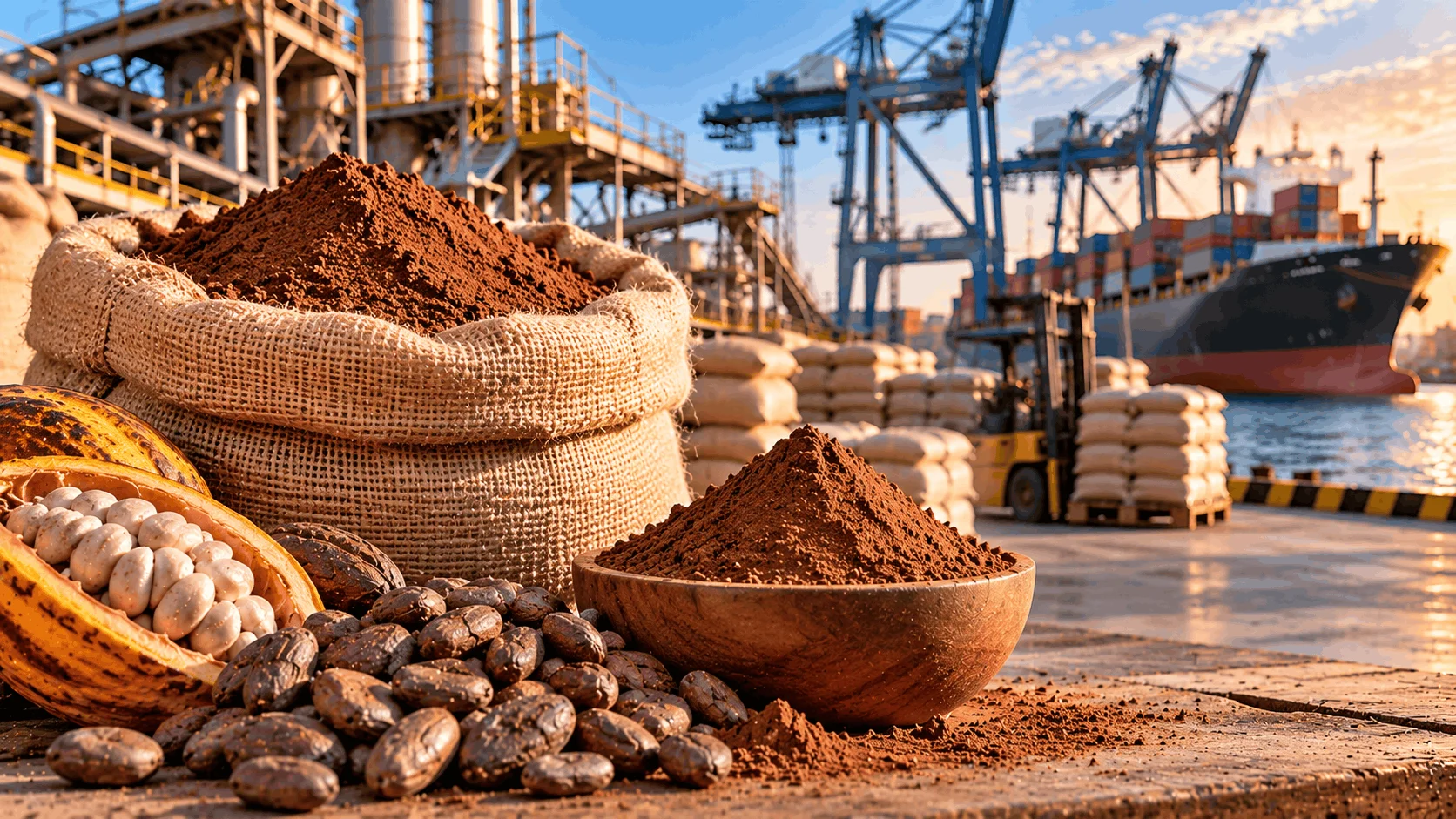
Cocoa powder isn't exactly a commodity that grabs headlines the way crude oil or steel does. But ask anyone sourcing for bakeries, beverage brands, or confectionery lines, and they'll tell you: a small shift in cocoa powder pricing can quietly rearrange a quarterly budget. October 2026 gave buyers two numbers worth sitting with.
China's cocoa powder is priced at USD 6,825.15 per metric ton on an FOB basis. India comes in just below that, at USD 6,716.53 per metric ton, also FOB. A gap of roughly USD 108.62. Not dramatic. But not meaningless either, especially once you factor in volume.
Cocoa Powder Latest Prices October 2026
Price Source: Procurement Resource
Both figures sit on the same incoterm, FOB, which actually makes this comparison cleaner than most. No insurance adjustments to account for, no freight-basis guesswork. Just two production origins, priced at the point of export.
Why the Gap Exists at All
Cocoa powder pricing traces back to cocoa bean availability more than anything else, and that's where origin matters. India sources much of its cocoa inputs through a mix of domestic cultivation (limited, admittedly) and imports from West African producers, while China leans more heavily on processed imports destined for its confectionery and beverage manufacturing base.
A few things tend to shape the spread between these two markets:
Processing capacity plays a role first. China's cocoa processing infrastructure has scaled up over the past several years to meet domestic demand from chocolate, bakery, and dairy-adjacent beverage categories. More processing capacity usually means tighter margins get passed along differently than in smaller processing hubs.
Then there's currency. Both prices are quoted in dollars, so a weaker yuan or rupee against the dollar changes what local buyers actually pay, even if the headline FOB figure stays flat. This matters more than people assume when comparing month over month.
Labor and logistics costs differ too. India's cocoa processing operations often run on a different cost structure than China's, partly due to labor costs and partly due to how far inland the processing facilities sit relative to export ports.
And demand timing shouldn't be ignored. October sits right before the Northern Hemisphere's holiday baking and confectionery season ramps up. Buyers stocking up ahead of November and December demand can nudge prices in either direction depending on how early they're locking in contracts.
What This Means If You're Buying
If procurement teams are weighing China against India for cocoa powder sourcing this quarter, price alone probably shouldn't be the deciding factor, even with India sitting cheaper right now.
Supplier reliability matters just as much. A slightly lower FOB price doesn't help much if shipment delays push your production schedule back two weeks. Buyers should also check quality specifications closely, since cocoa powder grades (natural versus alkalized, fat content percentage) can vary between suppliers even within the same country.
Contract timing is worth thinking through as well. Locking in October prices ahead of the holiday demand spike could protect buyers from a potential price climb heading into November. Whether that climb actually happens depends on how global cocoa bean supply holds up, which has been a volatile story over the past couple of years given weather disruptions in key growing regions.
For businesses tracking this market closely, keeping an eye on the Cocoa Powder Price Trend data on a monthly basis tends to be more useful than reacting to a single snapshot.
Where Things Might Head Next
Predicting cocoa powder prices with certainty isn't really possible, not in a market this tied to agricultural output. What can be said is that the China-India spread is unlikely to close dramatically in the short term. Processing capacity differences and currency exposure don't shift overnight.
What could move things is upstream cocoa bean pricing, which has seen its own share of turbulence recently due to crop yields in major producing countries. If bean costs climb further into Q4, both China and India's FOB cocoa powder prices will likely follow, though not necessarily at the same pace.
Buyers who've built flexibility into their sourcing contracts, rather than locking into long fixed-price agreements, tend to handle these swings better. That's not a guarantee against cost increases, but it does leave room to adjust as new pricing data comes in.
The October 2026 numbers offer a useful checkpoint. China at USD 6,825.15/MT, India at USD 6,716.53/MT, both FOB. Small gap on paper, but one that reflects real differences in processing economics, currency exposure, and how each market positions itself ahead of peak seasonal demand.
FAQ
What is the current cocoa powder price trend for October 2026?
As of October 2026, China's cocoa powder is priced at USD 6,825.15/MT FOB, while India sits slightly lower at USD 6,716.53/MT FOB. The roughly USD 108 gap reflects differences in processing capacity, currency exposure, and sourcing structure between the two markets.
Why is India's cocoa powder price lower than China's?
India's lower processing and labor costs, combined with its export positioning, tend to keep FOB prices slightly below China's. China's larger domestic confectionery and beverage demand also factors into how its processors price exports.
How often do cocoa powder prices change?
Cocoa powder prices shift based on upstream cocoa bean availability, currency fluctuations, and seasonal demand cycles. Monthly pricing snapshots, like the October 2026 figures here, are useful benchmarks, but buyers negotiating contracts should verify current rates before finalizing terms.
Should buyers lock in cocoa powder contracts now or wait?
That depends on risk tolerance. Locking in October prices ahead of the holiday baking season could hedge against a potential rise in November. Buyers comfortable with some price exposure might wait and watch how cocoa bean costs move before committing.
What factors could change the China-India cocoa powder price gap?
Upstream cocoa bean pricing is the biggest wildcard, since both markets import a significant share of their raw cocoa. Currency movements and shifts in processing capacity, particularly in China, could also widen or narrow the current spread over the coming months.