Sign up with Google
 Sign in with Zoho

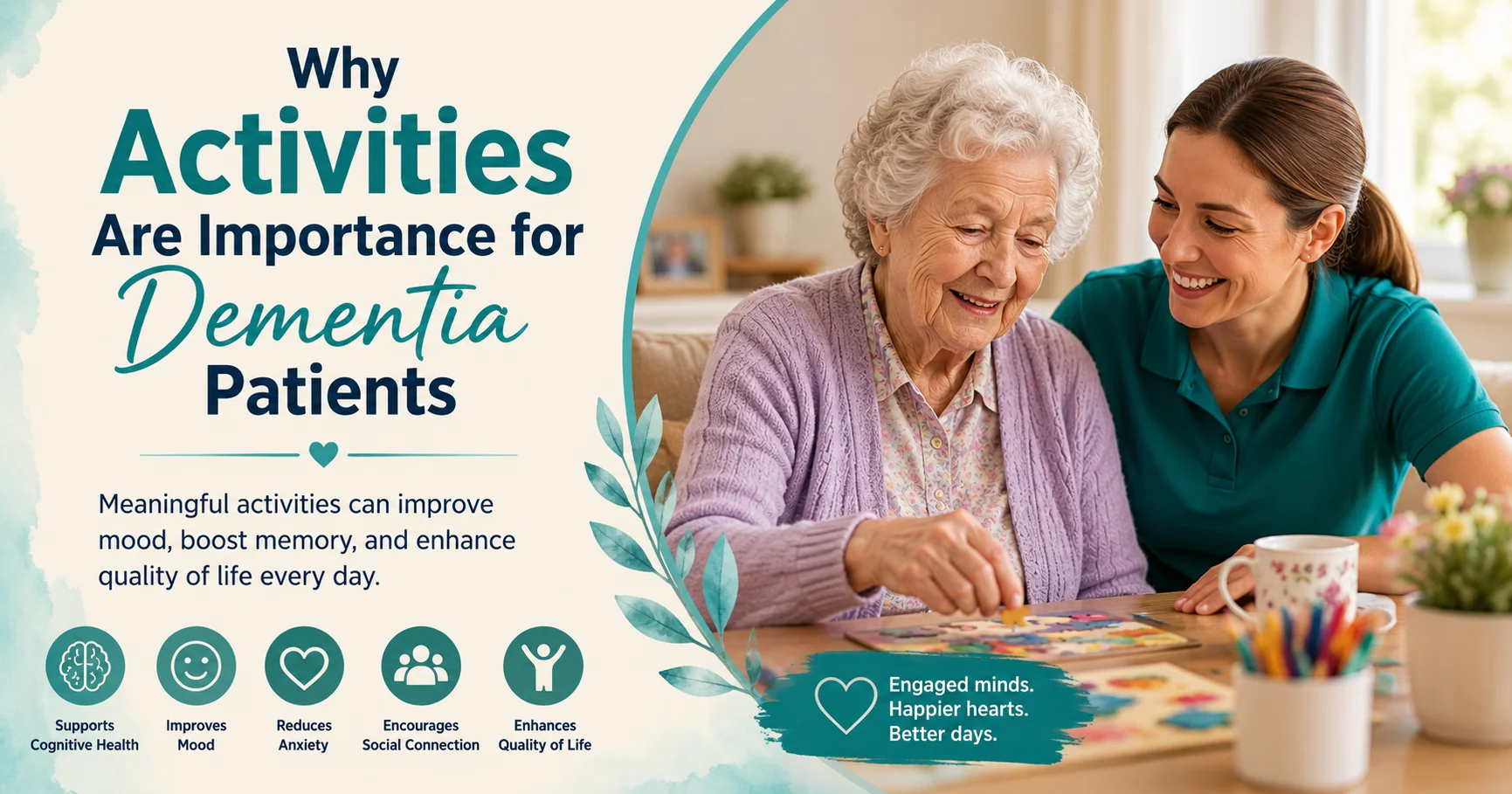
Living with dementia affects much more than memory. It can impact communication, mood, confidence, physical health, and the ability to perform everyday tasks. Fortunately, meaningful activities play a vital role in supporting cognitive function, emotional well-being, and overall quality of life. Whether it's music, gardening, art, or games for dementia patients, engaging in familiar and enjoyable activities helps stimulate the brain, reduce anxiety, encourage social interaction, and preserve a sense of independence. Research from organizations such as the Alzheimer's Association and the National Institute on Aging consistently highlights that structured, person-centered activities can improve daily life for people living with Alzheimer's disease and other forms of dementia.
Why Are Activities Important for Dementia Patients?
Activities provide more than entertainment—they give purpose, structure, and meaningful engagement. While dementia gradually changes how the brain processes information, many individuals continue to enjoy activities that match their abilities and interests.
Regular participation in appropriate activities can:
- Stimulate different areas of the brain
- Reduce boredom and restlessness
- Improve mood and emotional well-being
- Encourage communication and social interaction
- Maintain physical mobility and coordination
- Promote independence and self-esteem
- Create positive moments with family and caregivers
Even simple daily activities can help individuals stay engaged and connected with the people and world around them.
How Activities Support Brain Health
Although activities cannot stop or reverse dementia, they help exercise remaining cognitive abilities. Repeating familiar routines and engaging the senses can activate memories that often remain preserved longer than recent events.
Examples include:
- Listening to favorite songs
- Looking through family photo albums
- Completing simple puzzles
- Painting or drawing
- Folding towels or sorting household items
- Gardening or caring for plants
These activities stimulate memory, attention, language, and problem-solving skills while providing a calming and familiar experience.
Games for Dementia Patients Encourage Cognitive Stimulation
One of the most effective ways to keep the brain engaged is through Games for Dementia Patients that are adapted to an individual's stage of dementia. Rather than focusing on competition, these games encourage participation, enjoyment, and mental stimulation.
Popular options include:
- Picture matching games
- Word association activities
- Large-piece jigsaw puzzles
- Card sorting games
- Memory games using familiar objects
- Bingo with images instead of numbers
- Simple trivia based on life experiences
The goal is not to test memory but to encourage conversation, confidence, and successful participation.
Emotional Benefits of Meaningful Activities
Dementia often causes frustration, anxiety, depression, and loneliness. Purposeful activities provide positive experiences that help reduce emotional distress.
Benefits may include:
- Lower stress and agitation
- Improved self-confidence
- Reduced feelings of isolation
- Increased happiness and laughter
- Greater sense of accomplishment
Activities that reflect a person's lifelong hobbies or career can be especially meaningful because they reinforce identity and personal history.
Physical Activities Promote Overall Well-Being
Physical movement is equally important for individuals with dementia. Gentle exercise supports both physical and cognitive health while helping reduce fall risk.
Suitable activities include:
- Walking outdoors
- Chair exercises
- Gentle stretching
- Dancing to familiar music
- Light gardening
- Balloon games
- Simple household tasks
Regular movement can improve balance, flexibility, sleep quality, and overall energy levels while encouraging social engagement.
Social Interaction Helps Reduce Isolation
Many people with dementia gradually withdraw from conversations because communication becomes more difficult. Group activities and shared experiences help maintain important social connections.
Participating in activities with family members, friends, or caregivers encourages:
- Meaningful conversations
- Eye contact and non-verbal communication
- Shared laughter
- Emotional bonding
- Reduced loneliness
Even if verbal communication becomes limited, shared activities often remain enjoyable and comforting.
Choosing the Right Activities
The most successful activities are personalized rather than one-size-fits-all. Consider the person's:
- Current stage of dementia
- Physical abilities
- Previous hobbies and interests
- Cultural background
- Daily routine
- Energy level
Activities should always be adapted to ensure success rather than frustration. Short sessions with simple instructions are often more enjoyable than lengthy or complex tasks.
Tips for Caregivers
Creating positive experiences doesn't require elaborate planning. Small adjustments can make activities more enjoyable.
- Keep instructions simple.
- Focus on participation instead of perfection.
- Reduce distractions in the environment.
- Offer encouragement rather than correction.
- Choose activities during the person's best time of day.
- Allow extra time to complete tasks.
- Stop if the individual becomes tired or overwhelmed.
Patience and flexibility often make the greatest difference.
The Lasting Value of Daily Engagement
Meaningful activities are an essential part of dementia care because they support cognitive stimulation, emotional health, physical movement, and social connection. From creative hobbies and gentle exercise to Games for Dementia Patients, engaging activities help individuals maintain dignity, confidence, and enjoyment throughout every stage of dementia. By focusing on abilities rather than limitations, caregivers can create moments of connection that improve quality of life for both the person living with dementia and those who care for them.