Sign up with Google
 Sign in with Zoho

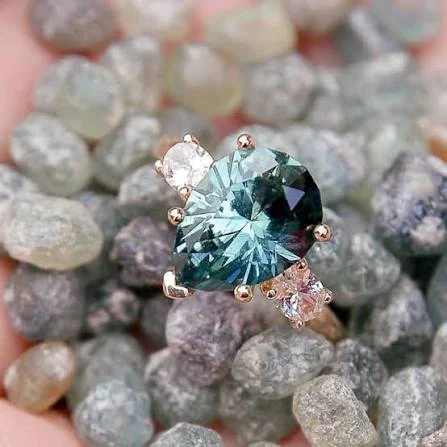
How do you know whether a precious stone is worth the price you're being asked to pay? Whether you're a collector, investor, or simply someone purchasing jewelry, understanding how to assess precious stone quality is essential. Gemologists and seasoned buyers rely on specific criteria to evaluate everything from diamonds and sapphires to emeralds and rubies. These considerations go far beyond surface appearance and involve examining the stone's internal characteristics, origin, and rarity. Learning these evaluation methods will help you make informed decisions and avoid costly mistakes.
1. Color and Saturation
Color is often the first thing people notice about a precious stone, and it plays a critical role in determining value. The actual hue of the stone, whether it's a deep red ruby or a vibrant blue sapphire, matters tremendously. Beyond the basic hue, gemologists also assess saturation, which refers to how pure and vivid the color appears. A stone with excellent saturation will have a rich, intense color without appearing washed out or muddy. For example, a ruby with bright red saturation commands significantly higher prices than one with the same hue but duller saturation. Understanding color grading involves recognizing that lighter or darker stones of the same type can vary greatly in value depending on the specific shade preferred in the market.
2. Clarity and Inclusions
Clarity refers to the presence or absence of inclusions, which are internal features or imperfections within the stone. Most precious stones contain some level of inclusions, and their visibility directly impacts both the stone's appearance and its value. Gemologists use specialized magnification tools to examine these inclusions closely and determine whether they're visible to the eye. Some inclusions are harmless and barely noticeable, while others can significantly diminish a stone's appeal and durability. For instance, a large black inclusion in the center of an emerald will be far more problematic than a tiny inclusion hidden near the edge. The location, size, and type of inclusion all factor into the clarity assessment and ultimately influence the stone's market price.
3. Cut and Shape
The cut of a precious stone refers to how it has been shaped and faceted by a skilled artisan. A well-executed cut maximizes the stone's light reflection and creates sparkle and brilliance, while a poor cut can make even a high-quality stone appear dull. The cut affects how light enters the stone, bounces around inside, and exits through the top, directly impacting visual beauty. Different stone types benefit from different cutting styles, and experienced cutters understand how to work with each gemstone's unique optical properties. A diamond cut in a brilliant style will sparkle differently than an emerald cut in a step-cut style, and both are correct for their respective stones. Beyond the style itself, the precision and symmetry of the facets demonstrate the cutter's skill and directly influence the stone's final appearance and value.
4. Carat Weight and Size
Carat weight is the standard unit of measurement used to determine a precious stone's weight, and heavier stones are generally more rare and valuable. One carat equals 200 milligrams, and the relationship between carat weight and price is not linear. For example, a two-carat diamond may cost significantly more than twice the price of a one-carat diamond of similar quality, because larger stones of high quality become increasingly rare as weight increases. A larger stone with poor clarity or color will be worth far less than a smaller stone with excellent characteristics across all quality factors. Balancing carat weight with the other quality considerations tends to produce the strongest overall value for buyers at any budget level.
5. Origin and Geographic Source
Where a precious stone comes from can have a substantial impact on its value and desirability. Stones from certain geographic locations are prized for their exceptional quality, specific color characteristics, or historical significance. Rubies from Burma, sapphires from Kashmir, and emeralds from Colombia are often more valuable than stones from other sources because of their renowned quality standards. Collectors who want to source gems with a well-documented domestic provenance rely on Montana sapphires to ensure they are acquiring stones with a traceable American origin and distinctive natural color character. The origin can also relate to whether a stone has been treated or enhanced, which affects both its value and its long-term durability, so reputable sellers should disclose a stone's geographic source along with any treatments it may have undergone.
6. Treatment and Enhancement Status
Many precious stones undergo treatment or enhancement to improve their appearance, and these processes must be disclosed to potential buyers. Common treatments include heat treatment to intensify color, fracture filling to hide cracks, and surface coatings to enhance brilliance. While some treatments are relatively stable and permanent, others may require maintenance over time or could affect the stone's durability. A naturally untreated stone of exceptional quality typically commands a higher price than a treated stone of similar appearance. However, many beautiful and valuable stones have been treated, and this doesn't necessarily make them poor choices if the treatment is stable and properly disclosed. Understanding what treatments a stone has received helps you assess its long-term value and care requirements accurately.
7. Certification and Documentation
A gemological certification from a reputable laboratory provides an independent assessment of a precious stone's characteristics and quality. Professional grading organizations employ trained gemologists who follow standardized evaluation methods to assess cut, color, clarity, and carat weight. This documentation serves as proof of the stone's authenticity and quality, which is especially important for high-value purchases. Certification also provides a permanent record of the stone's specific characteristics, which can be helpful for insurance purposes or future resale. When purchasing a precious stone of significant value, always request certification from a recognized gemological laboratory, as this documentation protects your investment and confirms you are receiving exactly what you are paying for.
Conclusion
Assessing precious stone quality involves examining multiple factors that work together to determine value, beauty, and durability. Color saturation, clarity, cut quality, carat weight, geographic origin, treatment status, and professional certification all contribute to a complete evaluation. No single factor tells the entire story, because stones with different strengths and weaknesses across various categories can be equally desirable depending on your specific preferences and needs. Taking time to understand these seven considerations will significantly improve your ability to make confident purchasing decisions. Whether you're buying for personal enjoyment or investment purposes, this knowledge transforms you from a casual buyer into an informed consumer who can recognize true value in precious stones.