Sign up with Google
 Sign in with Zoho
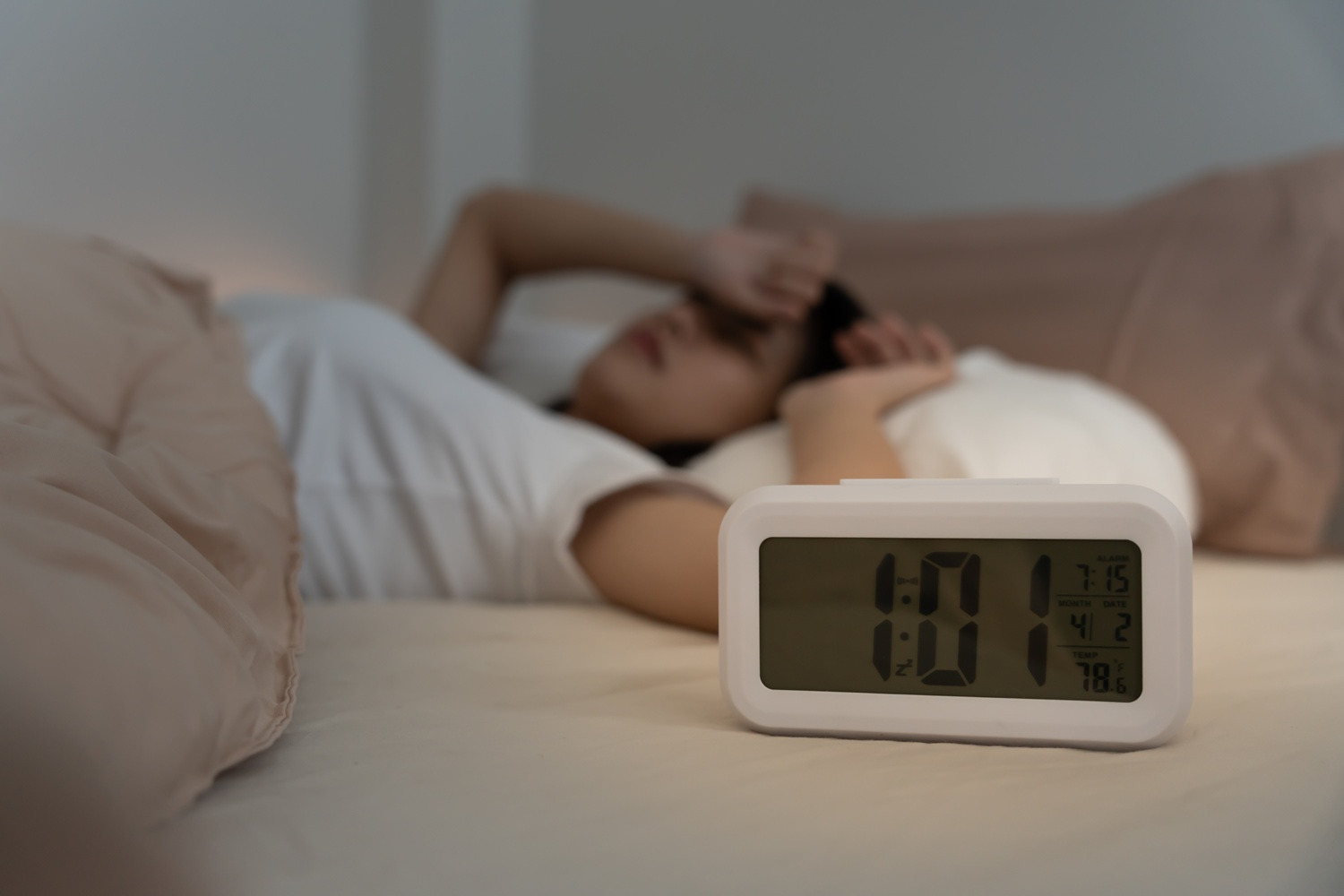
Insomnia is very common, but the exact number of people affected by the condition depends on how it is defined. Around 20-30% of people experience poor sleep at some point. It usually includes waking up during the night, difficulty falling asleep, waking up too early, and feeling tired even after sleeping.
About 8-10% of people have chronic insomnia, which means the sleep problem usually lasts for a long time. Around 4% of people regularly use sleeping pills. For many years, insomnia was considered a minor health issue.
Insomnia and the Body’s Stress System
What Is The Link Between Insomnia and Stress?
People with insomnia usually have a pattern of mental and emotional overactivity. It is known as hyperarousal. These people are more anxious, prone to overthinking, emotionally sensitive, or likely to dwell on worries and negative thoughts. These traits are usually seen even before insomnia begins and can increase a person's risk of developing long-term sleep problems.
Stressful life events are also strongly linked to insomnia. Emotional stress, personal problems, work pressure, or major life events can trigger sleep difficulties. Over time, the inability to sleep becomes more stressful in itself. It creates a cycle where stress worsens insomnia and insomnia increases stress.
How Does Stress Affect Sleep?
When your body experiences stress, it activates important stress-response systems. Those are the hypothalamic-pituitary-adrenal (HPA) axis and the sympathetic nervous system. These systems release stress hormones such as CRH and cortisol, as well as adrenaline-related chemicals.
These hormones increase alertness and prepare your body to stay awake and responsive. The reaction is useful during stress or danger, but it can interfere with your normal sleep when it stays active for long periods.
Sleep, especially deep sleep, normally has the opposite effect. It helps calm the stress system, lowers stress hormone activity, and even allows the body and brain to recover. In people with insomnia, the calming effect may not happen properly.
Physical Signs of Hyperarousal
People with insomnia usually show signs that their bodies remain alert, even at night. Studies show increased night time heart rate, reduced heart rate variability, higher oxygen consumption, and enlarged pupil size in some patients with insomnia. These signs show increased activity in the body's stress system.
Interestingly, these physical changes are usually found in people whose insomnia can be measured objectively in sleep studies.
The Daytime Sleepiness Paradox
Many people with insomnia feel exhausted and sleepy during the day. In the Multiple Sleep Latency Test, which measures how quickly someone falls asleep during the day, patients with insomnia usually take as long as, or longer than, healthy individuals to fall asleep.
It is very different from that of healthy people who are sleep-deprived. Normally, when people do not get enough sleep, they become physically sleepy and fall asleep more quickly during daytime testing. In contrast, patients with insomnia remain unusually alert even when they feel tired. Researchers believe it to be a sign of physiological hyperarousal. It means the brain and body remain active even when a person is fatigued.
Insomnia and Cardiometabolic Health
The Growing Link Between Insomnia and Physical Health
For many years, chronic insomnia was not strongly related to physical health problems, such as diabetes or heart disease. However, newer research shows that long-term sleep problems can affect your overall health.
People who regularly struggle to fall asleep, stay asleep, or get restful sleep are more likely to develop conditions like heart disease, high blood pressure, and type 2 diabetes. Continuous sleep problems were also linked to a higher risk of heart attacks.
Stress Hormones in Insomnia
People with chronic insomnia usually have elevated levels of cortisol, a major stress hormone. High cortisol levels contribute to various health conditions, such as diabetes, hypertension, osteoporosis, and metabolic syndrome.
Insomnia and Obesity
Chronic insomnia with short sleep duration is not strongly linked to obesity. Some people with insomnia are less likely to become obese compared to normal sleepers or people with occasional poor sleep. The health risks of insomnia do not come from weight gain; instead, the main cause includes:
- Chronic Inflammation
- Overactivation of the body's stress system.
- Increased physiological arousal.
Insomnia and Risk of Death
Men with chronic insomnia who slept less than six hours had a much higher risk of death compared to healthy sleepers. The risk was even greater in men who already had conditions such as hypertension or diabetes. It shows that insomnia can worsen existing health problems and even increase their long-term impact. In women, there is no same strong connection.
Other Physical Effects of Chronic Insomnia
People with chronic insomnia also experience several physical changes that are linked to cardiovascular and metabolic diseases. It includes poor heart rate regulation.
- Higher nighttime blood pressure
- Problems with blood sugar control
- Increased strain on the heart.
Insomnia and Brain Function
How Insomnia Affects Memory and Thinking
People with chronic insomnia usually complain about problems such as forgetfulness, poor concentration, and difficulty focusing. Many also say they feel mentally slow or struggle to stay attentive during the day.
However, tested cognitive performance has produced mixed results. They suggested that daytime complaints can simply stem from people worrying too much about the effects of poor sleep rather than from actual problems with brain function.
Attention and Mental Performance
Insomnia with short sleep duration affects a type of mental skill known as executive attention. It refers to the brain's ability to stay mentally organized, shift focus between tasks, and control attention effectively.
People who naturally sleep for fewer hours did not have the same attention problems. It shows that the cognitive difficulties seen in insomnia are not caused by sleeping less but by the underlying state of physiological hyperarousal that is connected to the chronic insomnia.
Hyperarousal and Daytime Alertness
Multiple Sleep Latency Test (MSLT) measures how quickly a person falls asleep during the day. Some people with insomnia stay alert during the daytime even after not sleeping at night. These people wake up frequently at night, have poorer sleep quality, and show signs of regular physiological alertness.
They stay awake during the day, but are not very attentive and make more mistakes. It shows that chronic hyperarousal may keep insomnia patients awake and alert.
Chronic Insomnia is Not Limited To Poor Sleep
Chronic insomnia is more than a nighttime sleep problem. When you have insomnia in the long term, it can affect both mental and physical health. It can increase stress levels, affect your body's natural recovery systems, and increase the risk of conditions. Those include diabetes, high blood pressure, heart disease, and cognitive difficulties.
You need to know the connections among stress, insomnia, brain function, and physical health. These are important for both early diagnosis and treatment.