Sign up with Google
 Sign in with Zoho
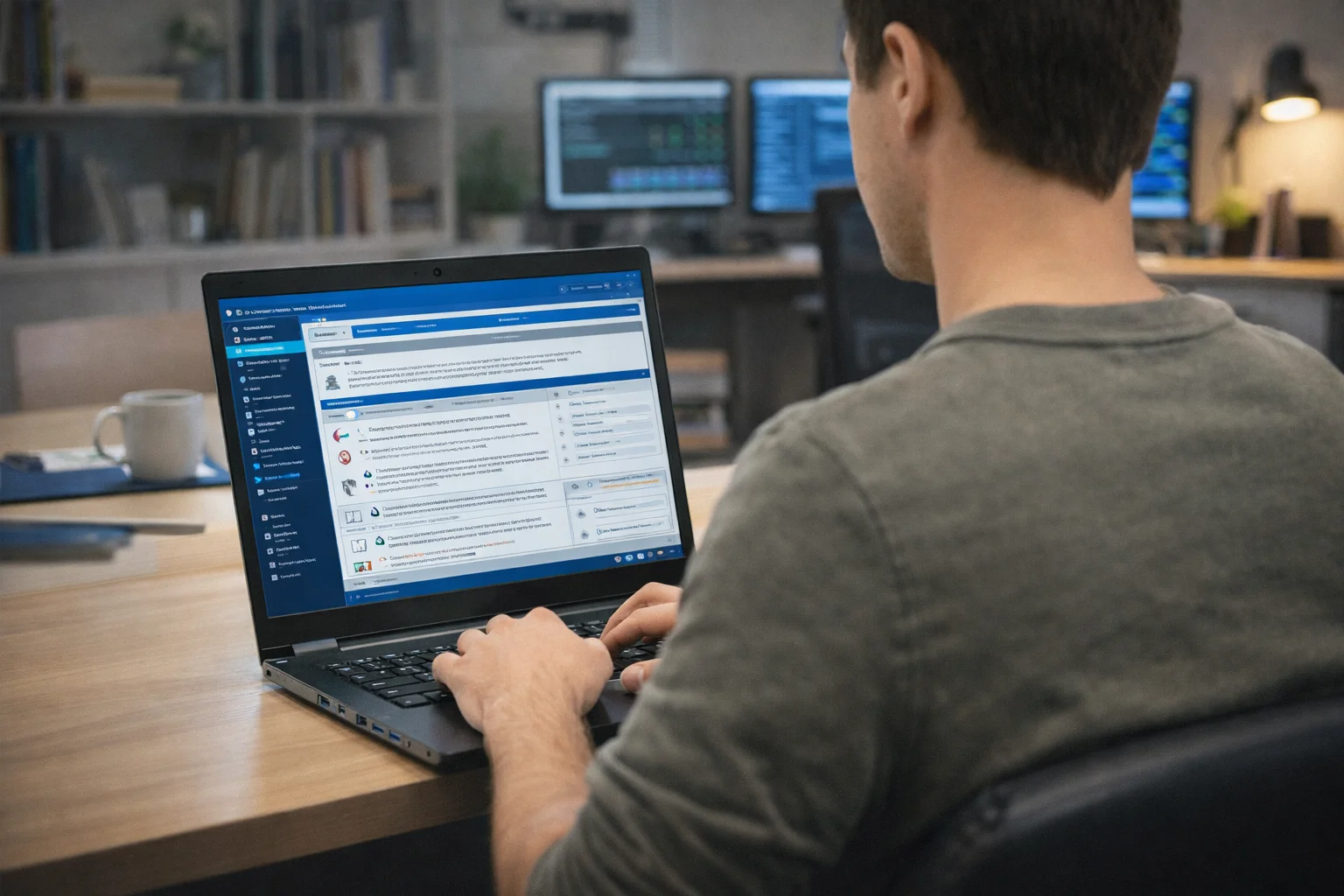
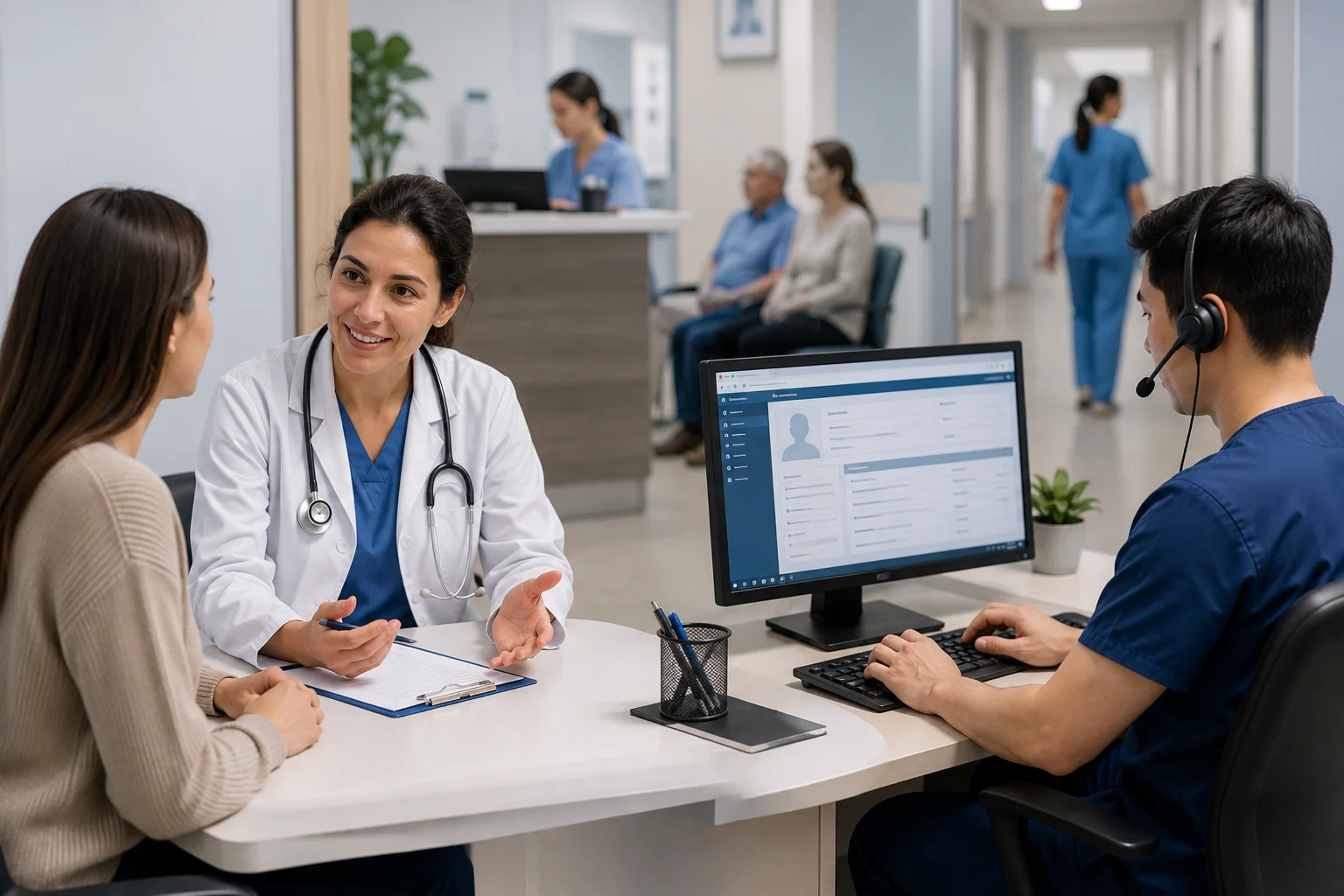
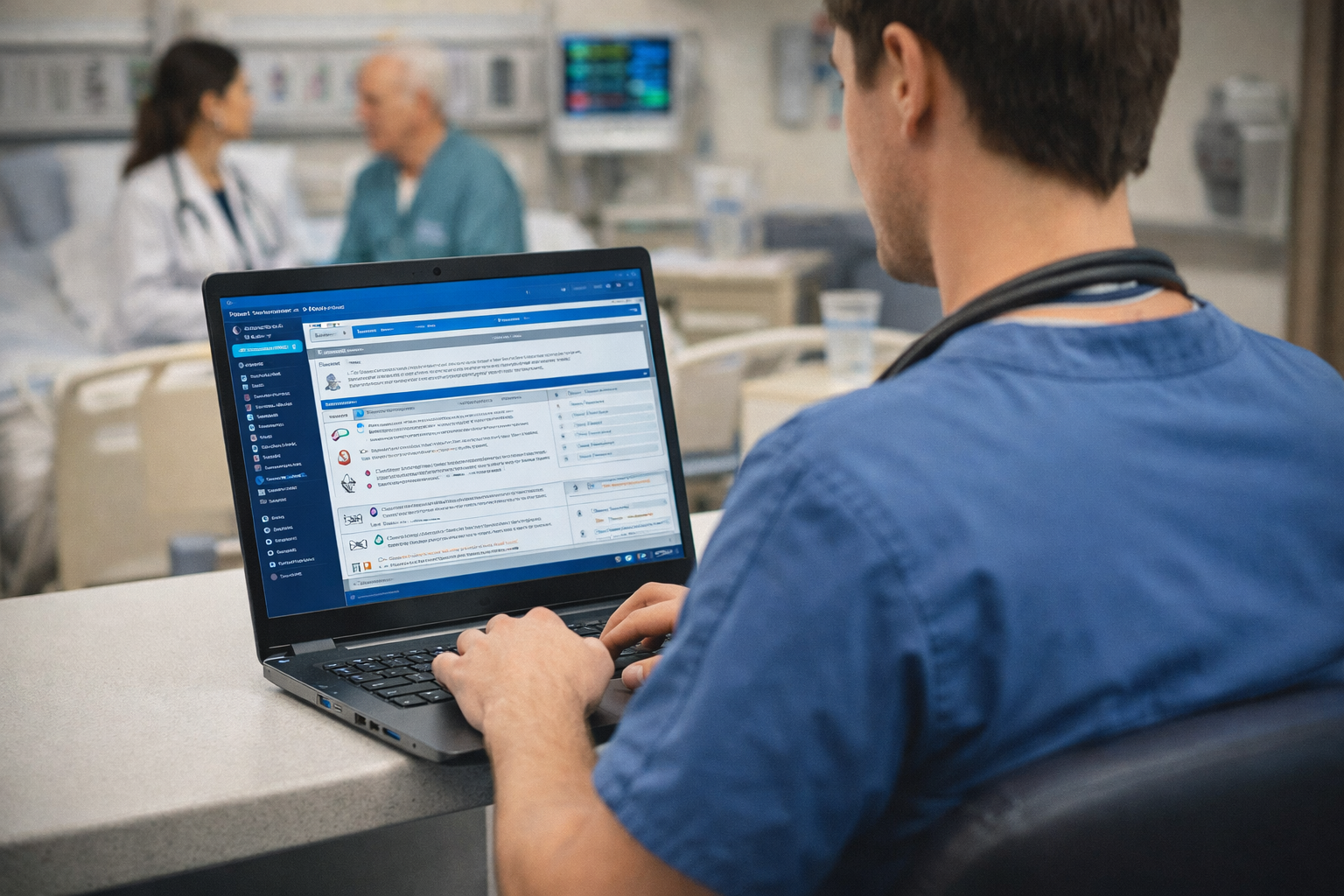
High-volume outpatient clinics face constant pressure to deliver efficient, high-quality patient care while maintaining accurate medical documentation. Physicians often see dozens of patients daily, leaving little time to complete detailed notes, update electronic health records (EHRs), and manage administrative responsibilities. As patient volumes continue to rise, documentation demands can become a significant burden.
Medical scribing has emerged as an effective solution for outpatient practices seeking to improve workflow efficiency and reduce physician workload. By handling real-time documentation tasks, medical scribes help providers focus on patient care while ensuring records remain accurate and complete.
This article explores how medical scribing works in high-volume outpatient clinics, the role of scribes during patient visits, and the benefits they bring to healthcare organizations.
The Documentation Challenge in Busy Outpatient Clinics
Outpatient clinics operate at a fast pace. Providers often schedule patients every 10 to 20 minutes, leaving minimal time between appointments. During each visit, physicians must:
- Review patient histories
- Document symptoms and complaints
- Record examination findings
- Update treatment plans
- Enter orders and referrals
- Complete coding-related documentation
Balancing these responsibilities while maintaining patient engagement can be difficult. Many physicians end up spending additional hours after clinic sessions completing charts, contributing to physician burnout and reduced productivity.
Medical scribes help address this challenge by taking over much of the documentation workload during patient encounters.
What Is a Medical Scribe?
A medical scribe is a trained documentation professional who assists healthcare providers by recording clinical information in real time. Scribes work alongside physicians, nurse practitioners, and physician assistants to capture accurate details of patient visits directly into the EHR.
Their primary responsibility is to ensure that patient records are complete, organized, and ready for provider review and sign-off.
Depending on the clinic's workflow, scribes may work:
- In person within the clinic
- Remotely through secure virtual connections
- Through hybrid staffing models
Regardless of the setup, their goal remains the same: streamline documentation and support efficient patient care.
How Medical Scribing Works During Patient Visits
Before the Appointment
The scribe prepares for the upcoming patient visit by reviewing relevant information in the EHR. This may include:
- Previous visit notes
- Medical history
- Current medications
- Recent lab results
- Imaging reports
By gathering background information in advance, the scribe helps the provider begin the encounter with a clear understanding of the patient's condition.
During the Patient Encounter
As the provider interacts with the patient, the scribe documents information in real time.
Typical documentation includes:
- Chief complaint
- History of present illness (HPI)
- Review of systems
- Physical examination findings
- Assessment and diagnosis
- Treatment plans
- Follow-up recommendations
Because documentation occurs simultaneously with the visit, physicians can maintain eye contact and focus on meaningful patient conversations rather than typing notes.
Managing EHR Documentation
Throughout the appointment, the scribe enters information directly into the EHR according to the provider's instructions and clinic documentation standards.
This may involve:
- Updating patient records
- Entering clinical observations
- Documenting provider decision-making
- Preparing referral information
- Recording preventive care measures
The provider reviews and approves all documentation before it becomes part of the official medical record.
After the Visit
Following the appointment, scribes may assist with:
- Finalizing visit notes
- Organizing documentation
- Preparing charts for provider review
- Tracking incomplete records
- Supporting documentation quality initiatives
This process helps ensure charts are completed promptly and accurately.
Supporting High Patient Volumes
One of the biggest advantages of medical scribing in outpatient settings is the ability to support high patient throughput without sacrificing documentation quality.
When physicians spend less time documenting, they can:
- Stay on schedule more consistently
- Reduce appointment delays
- Increase patient access
- Minimize after-hours charting
- Improve clinic efficiency
In busy specialties such as family medicine, internal medicine, cardiology, orthopedics, dermatology, and endocrinology, these improvements can have a significant impact on daily operations.
Improving Documentation Accuracy
Accurate documentation is critical for patient care, compliance, and reimbursement.
Medical scribes are trained to capture detailed clinical information while following provider preferences and documentation guidelines. Their focused attention on note creation helps reduce:
- Missing information
- Incomplete encounter notes
- Documentation inconsistencies
- Delayed chart completion
More comprehensive records also support care continuity when patients see multiple providers across different settings.
Enhancing the Patient Experience
Patients often prefer visits where providers are actively engaged in conversation rather than focused on a computer screen.
With a scribe managing documentation tasks, providers can:
- Maintain better eye contact
- Listen more attentively
- Build stronger patient relationships
- Improve communication
- Create a more personal care experience
This increased engagement can contribute to higher patient satisfaction and trust.
Reducing Physician Burnout
Administrative burdens remain one of the leading contributors to physician burnout. Many providers spend hours each week completing charts outside of normal clinic hours.
Medical scribes help reduce this burden by handling documentation during the patient encounter itself. As a result, physicians often experience:
- Less after-hours work
- Reduced administrative stress
- Improved work-life balance
- Greater job satisfaction
- More time for direct patient care
These benefits are particularly valuable in high-volume outpatient environments where documentation demands are substantial.
Supporting Coding and Revenue Cycle Accuracy
Complete clinical documentation plays an important role in medical coding and reimbursement.
Medical scribes help ensure that providers accurately document:
- Diagnoses
- Clinical decision-making
- Procedures performed
- Treatment complexity
- Relevant patient conditions
More detailed records can support appropriate coding and reduce the likelihood of missing documentation elements needed for reimbursement.
Virtual Scribing in Outpatient Clinics
Many outpatient practices now use virtual scribes to achieve the same benefits without requiring additional on-site staff.
Virtual scribes securely listen to patient encounters through approved technology platforms and document visits remotely in real time.
Benefits of virtual scribing include:
- Flexible staffing
- Lower infrastructure requirements
- Consistent documentation support
- Scalable workforce solutions
- Coverage across multiple clinic locations
This model has become increasingly popular among growing healthcare organizations.
Choosing the Right Medical Scribing Solution
Successful implementation depends on selecting a scribing program that aligns with clinic goals and workflows.
Key considerations include:
- Specialty-specific experience
- EHR proficiency
- Documentation quality standards
- HIPAA compliance
- Training processes
- Scalability for future growth
A well-trained scribe team can integrate seamlessly into existing operations and deliver measurable improvements in efficiency and provider satisfaction.
Conclusion
High-volume outpatient clinics must balance patient access, quality care, and extensive documentation requirements. Medical scribes help bridge this gap by managing real-time documentation, improving record accuracy, and reducing administrative burdens on providers.
By supporting efficient workflows and allowing physicians to focus more fully on patient care, medical scribing has become a valuable resource for outpatient practices seeking to improve productivity, enhance patient experiences, and reduce provider burnout. As healthcare organizations continue to face increasing documentation demands, medical scribes will remain an important part of modern outpatient care delivery.