Sign up with Google
 Sign in with Zoho

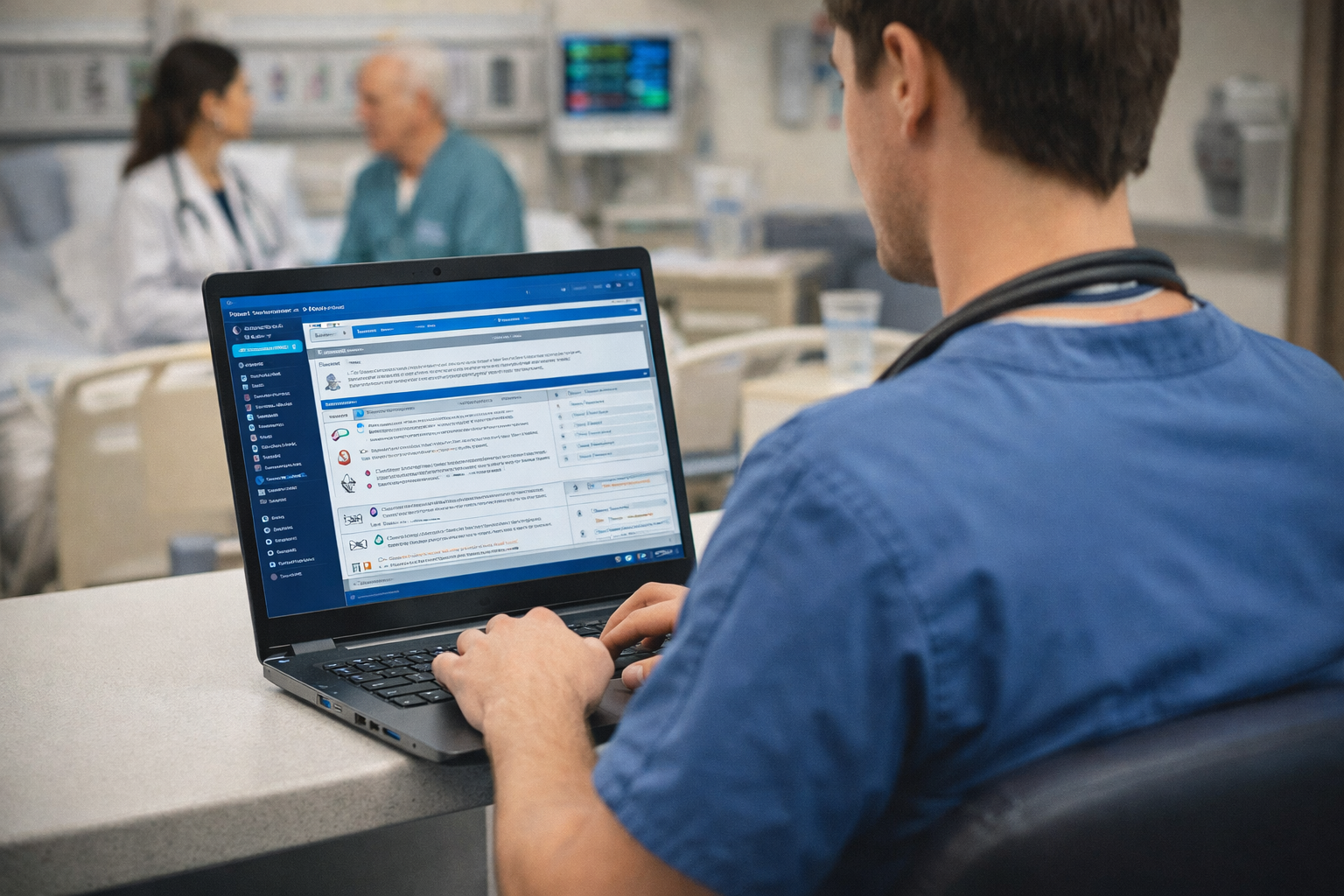
Emergency Departments (EDs) are under constant pressure to balance two critical priorities: speed and quality. With rising patient volumes, staffing shortages, and increasing documentation requirements, meeting throughput benchmarks—without compromising patient care—has become a major challenge.
This is where ED medical scribes play a transformative role.
Understanding ED Throughput Benchmarks
Throughput benchmarks in emergency care typically include:
- Door-to-provider time
- Length of stay (LOS)
- Time to discharge or admission
- Left Without Being Seen (LWBS) rates
Hospitals are evaluated on how efficiently patients move through the ED while still receiving safe, high-quality care. However, excessive documentation demands often slow providers down, creating bottlenecks.
The Documentation Burden in Emergency Medicine
Emergency physicians must document:
- Detailed patient histories
- Physical examinations
- Diagnostic interpretations
- Treatment plans
- Billing and compliance elements
All of this must be completed in real time within the Electronic Health Record (EHR). This administrative load can consume hours per shift, reducing time available for direct patient care.
How ED Medical Scribes Improve Throughput
1. Real-Time Documentation Support
Medical scribes document patient encounters as they happen, allowing physicians to focus entirely on clinical decision-making.
Impact:
- Faster patient evaluations
- Reduced charting delays
- Improved patient flow
2. Reduced Door-to-Provider Time
By eliminating documentation bottlenecks, scribes help physicians see patients more quickly.
Result:
- Shorter wait times
- Improved patient satisfaction
- Better compliance with ED benchmarks
3. Shorter Length of Stay (LOS)
When documentation is completed efficiently, diagnostic and discharge processes move faster.
Outcome:
- Patients spend less time in the ED
- Beds become available sooner
- Overall department efficiency improves
4. Lower LWBS (Left Without Being Seen) Rates
Long wait times often cause patients to leave before treatment. Scribes help reduce delays, keeping patients engaged in care.
5. Streamlined Communication
Clear, real-time documentation improves communication between:
- Physicians
- Nurses
- Specialists
- Administrative staff
This reduces errors and prevents miscommunication-related delays.
Maintaining (and Improving) Care Quality
A common concern is whether faster throughput compromises care. In reality, scribes often enhance care quality.
More Physician-Patient Interaction
With less time spent on screens, physicians can:
- Spend more time with patients
- Improve bedside communication
- Build trust and satisfaction
More Accurate Documentation
Scribes ensure:
- Complete and detailed records
- Better compliance with clinical guidelines
- Reduced risk of errors or omissions
Reduced Physician Burnout
Burnout is a major issue in emergency medicine. Scribes help by:
- Reducing administrative workload
- Improving work-life balance
- Allowing physicians to focus on clinical care
Financial and Operational Benefits
Hospitals also benefit from:
- Improved billing accuracy due to better documentation
- Higher patient throughput without adding more physicians
- Optimized resource utilization
These factors contribute to a stronger return on investment (ROI).
Real-World Impact
Healthcare organizations that implement Er scribe programs often report:
- Increased patients seen per hour
- Faster turnaround times
- Improved patient satisfaction scores
- Better compliance with regulatory standards
Best Practices for Implementing ED Scribes
To maximize benefits:
- Provide specialty-specific training for scribes
- Integrate scribes into clinical workflows
- Use standardized documentation templates
- Continuously monitor performance metrics
Conclusion
Emergency Departments don’t have to choose between speed and quality. With the support of ED medical scribes, hospitals can achieve both.
By reducing documentation burden, improving workflow efficiency, and enabling physicians to focus on patient care, scribes play a crucial role in helping EDs meet throughput benchmarks—without compromising the quality of care.