
 Sign up with Google
 Sign in with Zoho
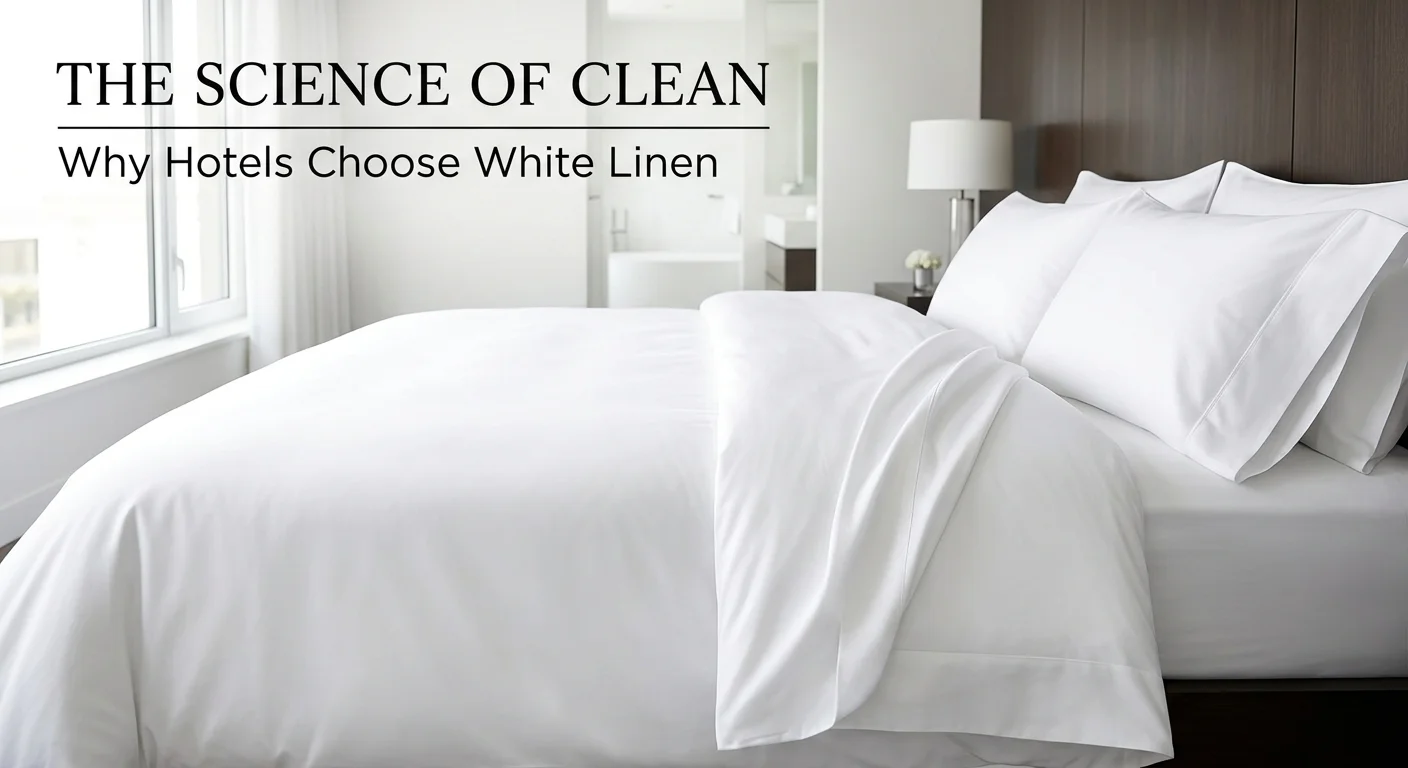

Running a commercial hotel operation demands balancing tactile luxury with rigorous financial performance. While guests judge their stay by the softness of bath towels and the crisp feel of bed sheets, hotel procurement managers must evaluate the underlying material engineering of every textile investment. Commercial bath and bed linens endure thousands of laundry hours, exposure to high-temperature sanitizing washes, and heavy mechanical tension. Partnering with a specialized institutional supplier like MyCotton allows hoteliers and facility managers across the Middle East to source high-grade bed sheets and towels structured specifically for institutional longevity and guest satisfaction.
Macromolecular Cotton Physics and Long-Staple Structural Integrity
The physical performance of any natural textile begins at the cellular level within the cotton fiber. Raw cotton consists of crystalline cellulose polymer chains. The overall length of these continuous raw fibers—referred to in textile engineering as the "staple length"—determines the tensile strength, surface smoothness, and abrasion resistance of the finished yarn.
In commercial manufacturing, raw cotton is grouped into three distinct categories based on staple length:
- Short-Staple Cotton: Fiber lengths under 25 millimeters.
- Medium-Staple Cotton: Fiber lengths between 25 and 32 millimeters.
- Long-Staple and Extra-Long Staple (ELS) Cotton: Fiber lengths ranging from 32 millimeters up to 50 millimeters or more.
When short-staple cotton is spun into thread, the high density of individual fiber ends creates friction along the yarn's exterior. Under daily guest use and repeated laundry cycles, these exposed fiber ends fray and entangle, causing surface pilling and fabric thinning. Conversely, long-staple combed cotton produces a uniform, compact thread with minimal exposed ends. Linens woven from long-staple yarn maintain structural integrity, resist tearing, and retain a smooth hand-feel even under high-speed commercial extraction.
Mechanical Fiber Alignment: Carded vs. Precision Combed Yarns
After raw cotton is harvested, it undergoes mechanical processing to orient the raw fibers into yarn. The refining method directly impacts whether a fabric can withstand institutional laundering.
Carded Cotton Processing
Carding untangles raw fibers by passing them through wire cylinders, forming a loose strand. While carding removes coarse debris, it leaves short, weak fibers mixed within the sliver. Fabrics made from carded yarns tend to feel fuzzy initially and rapidly lose structural density after a few commercial wash cycles.
Precision Combing Refinement
Combing is an intensive secondary refining step where carded cotton passes through fine-toothed mechanical combs. This process discards up to 20% of the short, irregular strands, aligning only the longest, strongest cotton fibers in parallel rows. Combed cotton yarns yield smooth, luster-rich sheets and towels that withstand high-temperature sanitation without premature fiber breakdown.
Structural Weave Geometry in Commercial Bed Linens
Hospitality bedding must deliver thermal comfort while withstanding mechanical stress from commercial flatwork ironers. Sourcing specialized wholesale hotel bed sheets engineered in specific weave patterns ensures optimal airflow, tensile strength, and aesthetic appeal.
Percale Plain Weave
Percale uses a balanced one-over, one-under criss-cross pattern. This grid structure creates a crisp, matte surface with high air permeability. Because air circulates freely through the weave, percale sheeting prevents heat buildup, making it ideal for warm climates and high-turnover properties.
Sateen Satin Weave
Sateen floats four warp threads over a single weft thread, exposing a larger continuous surface of yarn. This geometry gives the fabric a subtle luster, silky texture, and heavy drape. When constructed from long-staple combed cotton, sateen sheets provide a luxury guest experience while resisting thread snagging.
Terry Towel Hydrodynamics and Capillary Action
Bath towels rely on a three-dimensional loop architecture known as terry cloth to absorb water through capillary action. When moisture touches the towel, water is drawn into the microscopic spaces between open cotton fibers.
Towel absorbency and tactile recovery depend on three key variables:
- Loop Height and Density: Densely packed, upright pile loops maximize the surface area available to pull moisture away from human skin.
- Low-Twist Yarn Engineering: Applying minimal twist to long-staple loop yarns keeps the fibers porous, allowing instant water absorption without relying on chemical softeners.
- Ground Warp Tensile Strength: While surface loops provide absorbency, the underlying base weave must be tightly woven from multi-ply yarns to prevent shrinking and edge distortion.
Equipping hotel bathrooms with high-density luxury hotel bath towels crafted from 100% combed cotton loops ensures towels stay plush, highly absorbent, and structurally intact through hundreds of commercial drying cycles.
Material Performance: Combed Long-Staple vs. Carded Short-Staple Linens
Frequently Asked Questions
1. Why is thread count alone an unreliable indicator of hotel sheet durability?
Thread count measures the number of threads per square inch, but manufacturers often twist short, weak fibers into multi-ply threads to inflate this number. A 250 to 300 thread-count sheet made from single-ply, long-staple combed cotton is stronger, softer, and more breathable than a 600 thread-count sheet made from low-grade multi-ply yarns.
2. How does combed cotton reduce annual linen replacement costs?
Combed cotton removes short, weak fibers during manufacturing, resulting in a smoother, stronger yarn. This structural strength prevents tearing, fraying, and pilling during commercial laundering, extending the operational life of bed and bath inventory and lowering annual reorder expenses.
3. What causes commercial bath towels to lose absorbency over time?
Towels lose absorbency primarily due to the buildup of chemical fabric softeners, which leave a water-repellent coating on the fibers. High-temperature tumble drying can also flatten short-staple cotton loops, making the towel feel stiff and reducing its ability to absorb water.
4. How do breathable cotton sheets help regulate guest body temperature?
Long-staple combed cotton weaves allow heat and moisture vapor to pass through the fabric naturally. This ventilation prevents humidity from accumulating under the duvet, ensuring a cool, comfortable sleep environment throughout the night.
Final Thoughts
Selecting institutional textiles for hotels, resorts, and commercial healthcare facilities requires balancing tactile guest comfort with structural durability. Understanding how staple length, yarn combing, weave density, and loop architecture impact long-term fabric performance enables procurement teams to make data-driven decisions that safeguard operating margins. Partnering with a reliable regional supplier for high-performance wholesale bed and bath linen ensures your property delivers a five-star guest experience wash after wash.










.webp)