Sign up with Google
 Sign in with Zoho

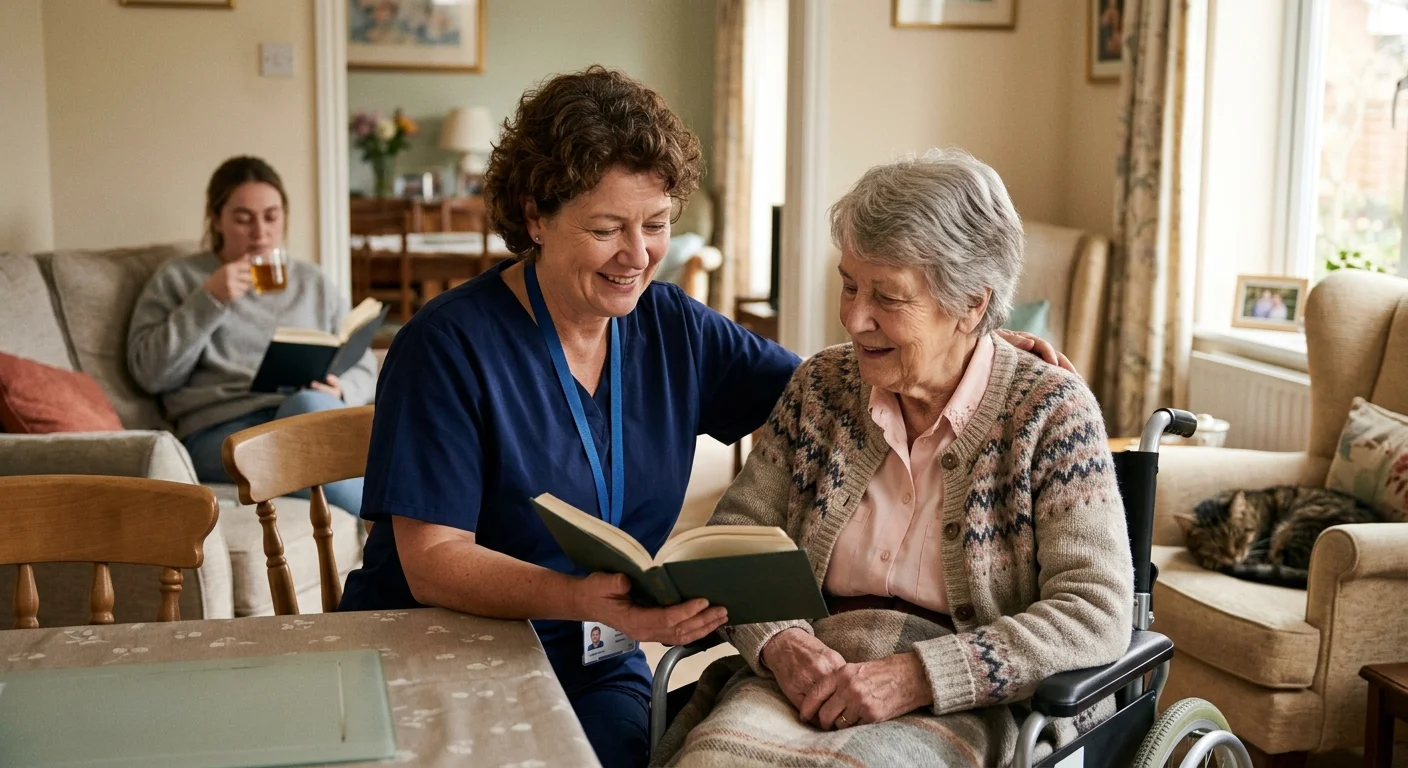
When an aging relative begins to struggle with advanced mobility loss, chronic illness, or increasing frailty, family members often reach a sudden crossroads. The traditional assumption was that moving into a residential nursing facility was the only realistic next step once independent living became difficult. Today, however, more families are turning to dedicated live-in care services to provide round-the-clock safety, personal companionship, and one-to-one support while keeping their loved one in familiar surroundings.
It is rarely a simple decision. Usually, it starts with visiting carers coming once or twice a day. That works well for a while. Then an unexpected fall happens at two in the morning. Or a parent with cognitive decline starts leaving the front door unlocked at dusk.
Suddenly, forty-minute visits feel like putting a small bandage over a much larger issue.
According to research from the Age UK care home guidance, the transition into residential care is frequently triggered by a crisis rather than proactive planning. But giving up a lifelong home, beloved pets, personal gardens, and decades of memories is not the only way to keep an older adult safe.
Understanding how round-the-clock in-home care works in practice helps families make an informed, confident choice.
1. Spotting the Tipping Point: When Visiting Care Falls Short
Most families prefer to scale up support gradually. You start with a companion for grocery runs, then introduce morning and evening calls for medication and personal hygiene.
So, how do you know when that model has run its course?
- The Night-Time Fear: Your parent is physically safe during the day while carers visit, but nighttime becomes terrifying. Wandering, disorientation, or trying to walk to the bathroom in the dark leads to constant anxiety for everyone involved.
- The Math of Multiple Calls: When someone needs help waking up, preparing breakfast, using the toilet at noon, having dinner, and getting tucked in at night, you are booking four separate calls a day. At that stage, carers are rushing between appointments, and gaps between visits leave long stretches of vulnerability.
- Severe Carer Exhaustion: Family members are fielding calls during business hours, running over on lunch breaks, and sleeping with their phones next to their pillows. Burnout is no longer around the corner; it has arrived.
- Loneliness Between Visits: While visiting carers are skilled and compassionate, their time is strictly managed. Once the personal care tasks are done, they have to travel to their next client. The remaining twenty hours of the day are often spent in complete silence.
When these warning signs accumulate, having a continuous, reassuring presence in the house changes the entire dynamic.
2. Live-In Care vs. Residential Care Homes: The Real Differences
Moving into a care home is right for some people, but it represents a massive institutional shift. Comparing the two models side by side clarifies what daily life actually looks like under each option.
According to standards set by the Social Care Institute for Excellence, personal autonomy and dignity are heavily tied to maintaining control over one's immediate physical environment. For many older adults, simply being able to sit in their favorite armchair, listen to their own radio, and make a cup of tea in their own kitchen preserves a sense of self that institutional settings struggle to replicate.
3. The Practical Realities: What Does Having a Live-In Carer Involve?
It sounds wonderful in theory, but families often wonder about the logistics. Having a professional living in your parent’s home requires practical preparation and clear boundaries.
Here is what is actually involved:
The Bedroom Setup
A live-in carer needs their own private room. It does not need to be a luxury suite, but it must be clean, comfortable, and private. A comfortable bed, clean storage for clothing, a desk or chair, and reliable Wi-Fi are essential. The carer shares the kitchen and bathroom facilities with the client, although an en-suite bathroom is a welcome bonus if available.
Daily Working Hours and Break Times
Live-in carers are human beings who need rest to stay alert and attentive. Under UK working regulations, a live-in carer typically works an average of 8 to 10 hours of active care per day, spread out across morning routines, meals, companion outings, and evening tuck-in.
They are legally entitled to two hours of downtime every day, usually taken during the quiet afternoon hours when the client is resting, reading, or watching television. During this break, the client must either be safe alone for a short window, or family members step in, or a local visiting carer covers the break.
Food and Domestic Expenses
The household provides food for the live-in carer. Some families provide a modest weekly grocery stipend, while others simply include the carer in the household meal planning. The carer cooks meals for both themselves and the client, adapting to dietary preferences, allergies, and cultural requirements.
4. Demystifying the Financial Side
Cost is often the biggest unknown for families exploring continuous care. The assumption that round-the-clock support at home is far more expensive than a residential care home is frequently mistaken.
The Cost Comparison in the UK
- Single Individual: High-quality residential care homes in England generally cost between £1,200 and £1,800+ per week (often higher for specialized dementia nursing homes). Professional live-in care typically ranges from £1,100 to £1,600 per week depending on the complexity of medical and mobility needs.
- Couples: This is where the financial difference becomes dramatic. If an elderly couple moves into a care home, they must pay for two separate beds, instantly doubling the weekly cost to £2,400–£3,500+. With live-in care, a single carer can support both partners in their own home for a modest joint-care supplement, saving thousands of pounds each month.
Funding and Statutory Rights
Under guidelines from the NHS social care and support guide, care delivered at home has one major legal advantage regarding local authority means testing: the value of the client's home is completely excluded from the financial assessment.
In contrast, if a person moves permanently into a residential care home and lives alone, the value of their property is usually included in the local council means test, often forcing the sale of the family house to fund fees.
Additionally, older adults requiring constant supervision may qualify for non-means-tested state benefits:
- Attendance Allowance: Paid at the higher weekly rate for individuals needing supervision day and night.
- NHS Continuing Healthcare (CHC): For individuals whose primary need for care stems from severe, complex healthcare needs, CHC can cover 100% of live-in care costs directly through the NHS.
5. What to Look for When Choosing a Regulated Agency
Inviting someone to live in your parent’s home requires complete trust. Families have two main routes: using an introductory agency (where you become the legal employer of a self-employed carer) or working with a fully managed, regulated provider.
When interviewing providers, verify their regulatory standing on the Care Quality Commission (CQC) standards register. Fully managed providers handle all recruitment, Enhanced DBS criminal checks, specialist training, national insurance, and sick pay.
Key questions to ask during an assessment:
- How are carer handovers managed? Live-in carers usually work on rotational patterns—such as two to four weeks on, followed by two weeks off. How does the agency ensure smooth handovers between regular carers?
- What happens if a carer falls ill suddenly? A managed agency has a pool of vetted relief carers ready to step in within hours, ensuring your parent is never left stranded.
- How is personality matching handled? Care skills are vital, but shared interests, communication styles, and temperament matter just as much when two people share a home.
6. Frequently Asked Questions
How does night care work with a live-in carer?
A standard live-in care agreement assumes the carer sleeps through the night, with the ability to assist with one or two brief wakings (such as helping with a bathroom transfer). If your parent wakes frequently throughout the night or requires constant nocturnal monitoring, agencies can arrange a dedicated "waking night" care worker to complement the daytime live-in carer.
What happens if the chemistry between my parent and the carer isn't right?
Living together is intimate. Even with the most qualified carers, personalities sometimes clash. A good agency understands this completely and will arrange a smooth, respectful replacement without judgment or awkwardness.
Can live-in care support advanced conditions like Parkinson's or dementia?
Yes. Professional agencies provide carers trained specifically in non-pharmacological dementia strategies, mobility transfers, fall prevention, and chronic condition management.
A Decision Rooted in Dignity
Choosing how to care for an aging parent is rarely simple, but it does not have to mean surrendering their independence. A home is far more than bricks and mortar; it is where memories live, where daily habits bring comfort, and where older adults feel most secure.
By understanding the practical logistics of live-in care—from setting up a comfortable spare room to establishing fair daily routines—families can provide their loved ones with continuous, skilled care while protecting the independence and dignity they have earned over a lifetime.