Sign up with Google
 Sign in with Zoho


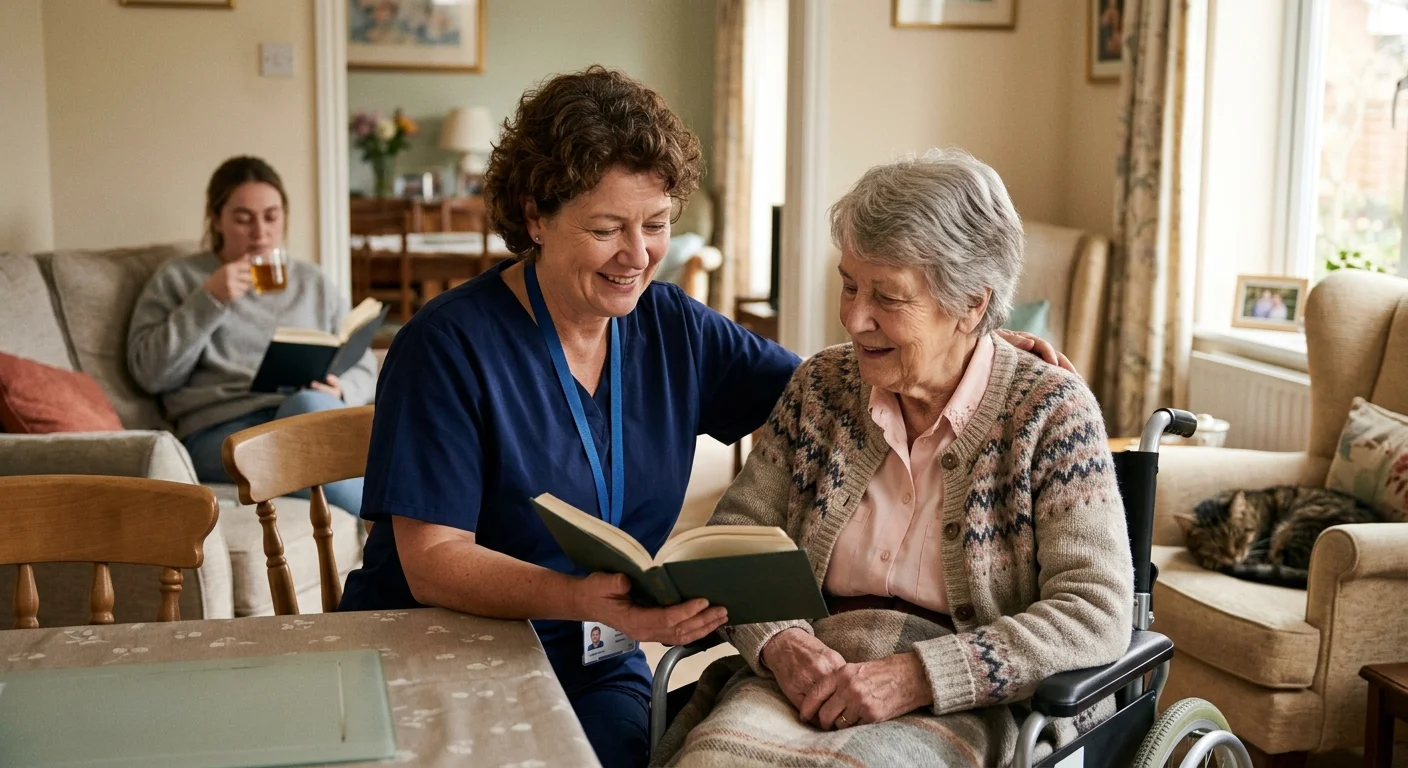
Navigating life after an acute stroke requires immediate medical stabilisation followed by a structured, supportive recovery environment. For families managing the transition from hospital to independent living, arranging professional stroke care at home ensures survivors receive tailored, one-to-one assistance in a comforting domestic setting. Beyond helping with daily personal care and safe mobility, dedicated domiciliary support reinforces essential clinical therapies across Stockport, Greater Manchester, and Cheshire, empowering individuals to regain autonomy while offering vital relief for family caregivers.
Understanding the core components of stroke recovery at home enables families to plan an effective, dignified care pathway tailored to their loved one's unique clinical needs.
Bridging the Gap: Hospital Discharge to Home Reablement
Following acute treatment at hospital stroke units—such as Stepping Hill Hospital in Stockport or Macclesfield District General—patients often qualify for the NHS Early Supported Discharge (ESD) scheme.
While ESD provides essential therapy visits from community physiotherapists, occupational therapists (OTs), and speech and language therapists (SLTs), visits are typically limited to a few hours per week over a four- to six-week period.
However, neuroplastic recovery—the brain's capacity to reorganise neural pathways—continues for months and years. Dedicated home care for stroke patients fills this critical operational gap, providing the daily practical assistance required to turn therapy goals into everyday habits.
4 Key Pillars of In-Home Stroke Care Services
Effective in-home stroke care services are holistic, addressing mobility, nutrition, medication safety, and emotional wellbeing:
1. Neuroplastic Reablement and Mobility Support
Repetitive, task-oriented movement helps stroke survivors regain motor function and balance:
- Gait and Movement Exercises: Carers reinforce exercise routines prescribed by NHS community physiotherapists between clinical sessions.
- Safe Transfers: Assisting with bed-to-chair, chair-to-standing, and wheelchair transfers using slide sheets, stand-aids, or hoists.
- Contracture Prevention: Gentle passive limb movement to ease muscle stiffness and manage post-stroke spasticity.
2. Dysphagia Safety and Hydration Management
Swallowing difficulties (dysphagia) affect many stroke survivors, creating severe risks of choking and aspiration pneumonia:
- Texture Modification: Preparing meals in precise accordance with the International Dysphagia Diet Standardisation Initiative (IDDSI) (e.g., pureed, minced & moist, or soft & bite-sized).
- Hydration Oversight: Correctly mixing prescribed commercial thickeners into hot and cold drinks.
- Safe Posture: Ensuring the survivor remains seated upright at 90 degrees during and after meals.
3. Medication Oversight and Secondary Stroke Prevention
Adherence to secondary stroke prevention medications is vital to prevent recurrent cerebrovascular events:
- Prompting and administering prescribed antiplatelets, anticoagulants, statins, and blood pressure regulators.
- Maintaining precise administration logs and monitoring for adverse drug reactions.
- Coordinating with local community pharmacies and GP surgeries to ensure seamless repeat prescriptions.
4. Communication Support for Aphasia and Dysarthria
Speech and language challenges can cause significant emotional frustration:
- Carers utilise visual communication boards, picture prompts, and tablet-based assistive speech apps.
- Providing patient, unhurried communication that fosters self-esteem and conversational confidence.
Choosing Between Domiciliary Care and Residential Care Facilities
Weighing post-stroke care options is an important step for families evaluating long-term care pathways:
Localised Support: Domiciliary Stroke Care in Stockport & Cheshire
Choosing experienced domiciliary stroke care in Stockport and Cheshire ensures your care team has established links with local healthcare infrastructure:
- Stockport Neighbourhood Coverage: Regular, reliable care delivery across Cheadle, Bramhall, Hazel Grove, Marple, Heaton Moor, and surrounding areas.
- Cheshire East Communities: Comprehensive visiting and live-in care throughout Wilmslow, Alderley Edge, Poynton, Macclesfield, and Knutsford.
- Coordinated NHS Working: Active collaboration with stroke discharge coordinators and community health teams from Stepping Hill Hospital and Macclesfield District General Hospital.
- CQC Accreditation: Engaging a provider regulated by the Care Quality Commission (CQC) guarantees that carers are thoroughly vetted, trained in neurological support, and held to rigorous clinical care standards.
Funding Pathways and Practical Support in England
Families in the UK can access several financial and structural support options:
- NHS Continuing Healthcare (CHC): Individuals with complex, intense, and unpredictable healthcare needs may qualify for non-means-tested NHS CHC funding covering all home care costs.
- Local Authority Care Assessments: Stockport Metropolitan Borough Council and Cheshire East Council carry out statutory assessments to evaluate care needs and determine means-tested support (£23,250 capital threshold in England).
- Direct Payments: If eligible for council social care funding, families can opt for direct cash payments to contract their preferred registered home care agency directly.
- Attendance Allowance: A tax-free, non-means-tested government welfare benefit for individuals over State Pension age who require help with personal care or supervision.