Sign up with Google
 Sign in with Zoho

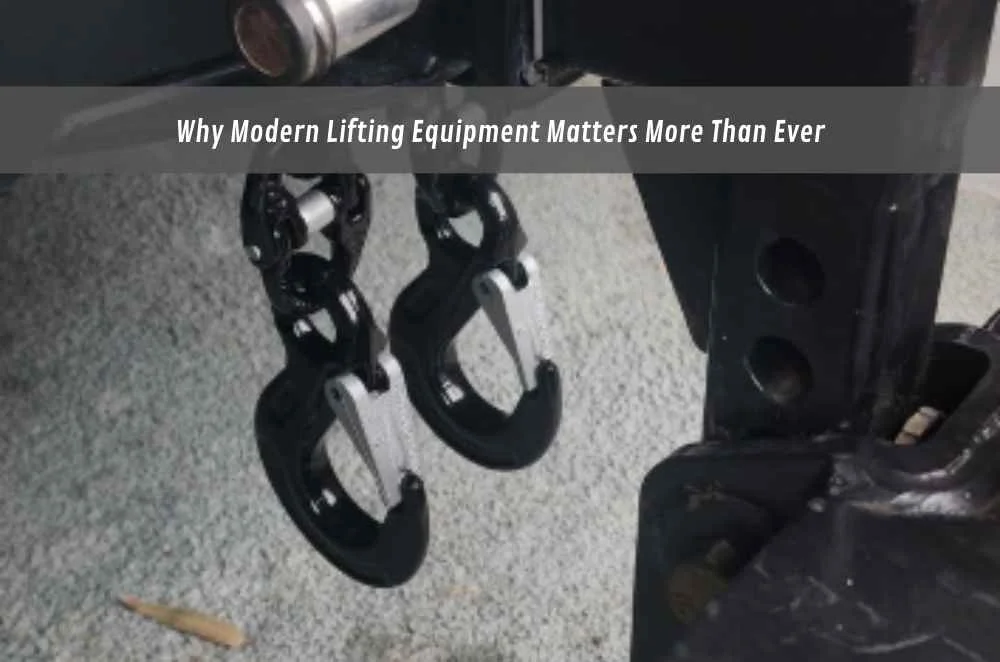
New building codes, tighter project timelines and a nationwide push for better safety records have all made one thing obvious in 2026: outdated hoists and chain blocks no longer cut it. Projects that still rely on hand-me-downs face higher injury risk, longer downtime and ballooning insurance premiums. Choosing the right lifting gear now protects both margins and people for years.
Early in the procurement process, many contractors turn to advanced gear for heavy lifting because it removes guesswork. The latest models arrive pre-certified, load-tested and ready to work, shaving hours off site set-up. The payoff is immediate on multi-storey residential builds where slab pours and steel placement follow each other in rapid succession.
The Hidden Costs of Holding On to Old Gear
A hoist that still “does the job” might feel like a saving, yet the real costs build quietly in the background.
- Lost billable hours when a motor overheats mid-lift
- Emergency hire fees for a replacement that doesn’t quite fit the scaffold layout
- Investigations and stoppages after a near-miss because the load chain finally gave out
None of those line items appear on the purchase order, but they surface on the project’s balance sheet soon enough. In an environment where liquidated damages clauses keep tightening, one preventable delay can wipe out an entire job’s margin.
Insurance underwriters have noticed too. Word from several national brokers is that policies increasingly ask for documented maintenance histories. Produce a ten-year-old manual chain block with no service log and premiums can jump overnight.
Technology Shifts Worth Examining
Lifting equipment has evolved fast in the last five years. Three developments now sit on most specifier shortlists.
Variable speed control
Electronic speed regulators let operators inch heavy loads into position rather than ‘bump’ them, reducing swing and the chance of snags on formwork. Crews finish alignment tasks with fewer people on tag lines and less shouting over radios.
Remote monitoring
Embedded load cells and Bluetooth modules transmit data straight to a phone. Supervisors can confirm safe working loads in real time and spot overload trends before hardware fatigue sets in. Compliance reporting moves from clipboards to cloud dashboards, cutting admin hours.
Modular attachments
Quick-swap hook plates, beam clamps and spreader bars eliminate the need for multiple dedicated units. A sites manager can reconfigure a single electric hoist for roof trusses in the morning and switch to glass panels by lunch without special tools.
Matching Gear to Real-World Australian Conditions
Every state brings quirks—cyclone wind categories in the north, salt air on coastal builds and frosty starts in alpine towns. Suppliers who handle national projects typically rate their hoists for the worst-case environment rather than average conditions.
Check the following before approving any order:
- Ingress protection rating for dust and moisture
- Operating temperature range, especially if crews pour concrete pre-dawn in winter
- Corrosion-resistant finishes such as hot-dip galvanising or marine-grade stainless pins
It is cheaper to spec higher protection now than to refurbish prematurely corroded units twelve months down the line.
Training and Certification Still Matter
Even the smartest hoist cannot compensate for poor practice. Many builders now mandate refresher courses every two years, not the older five-year cycle. Nationally recognised RII competencies remain the benchmark, yet some states add their own modules on advanced rigging.
One pragmatic approach: pair each new piece of lifting equipment with a toolbox session at delivery. Demonstrate correct sling angles, limits of side loading and emergency lowering. Record attendance and keep digital copies in the safety management system. Documentation helps if WorkSafe officials ask how the company controls high-risk plant.
When It’s Time to Upgrade
Triggers vary, but five indicators crop up again and again on audits:
- Load charts are missing or illegible
- Service stickers show lapsed inspection dates
- Spare parts lead times have blown out because the model is no longer produced
- Gear fails a load test with hairline cracks around the gearbox housing
- Operators lodge multiple fault reports in a single month
Leave any of these unresolved and the risk multiplier climbs. Upgrading before failure keeps schedules intact and avoids frantic after-hours freight charges from interstate depots.
Regulatory Updates Shaping 2026 Purchases
Safe Work Australia finalised amendments to the Model WHS Regulations earlier this year. Key changes include clearer definitions around person-conducted hoisting and greater emphasis on designer responsibilities. The explanatory statement highlights that failure to consider human factors—like repetitive strain during rigging—constitutes a breach, even if no incident occurs.
Finding Value Beyond the Price Tag
Thoughtful investment in lifting equipment rarely makes headlines, but site diaries tell the story. Faster structural cycles, fewer manual handling injuries and simpler audits free crews to concentrate on craftsmanship rather than crisis management.
Contractors choosing gear that meets today’s standards—and can adapt to tomorrow’s loads—gain something every estimator values: predictability. When the crane schedule is tight and the next pour depends on flawless coordination, predictable uptime is priceless. Investing wisely now keeps columns climbing and façades flying into place long after the ribbon-cutting photos fade.
FAQs
How often must lifting equipment be inspected in Australia?
Most builders follow a six-monthly schedule for thorough inspections and daily operator checks. Always verify against state regulations and the manufacturer’s guidance.
Are remote-controlled hoists suitable for all sites?
They improve safety on confined or multi-level builds, but radio interference in dense urban areas can limit range. A site-specific assessment will clarify suitability.
Can older chain blocks be retrofitted with load monitoring?
Some aftermarket kits exist, yet compatibility depends on housing design. Often it is more cost-effective to replace units nearing end-of-life than retrofit electronics.
Does hiring equipment bypass the new WHS designer obligations?
No. Even hired plant must meet design compliance. Duty holders share responsibility, so always request certificates from the rental provider before use.









.webp)