Sign up with Google
 Sign in with Zoho
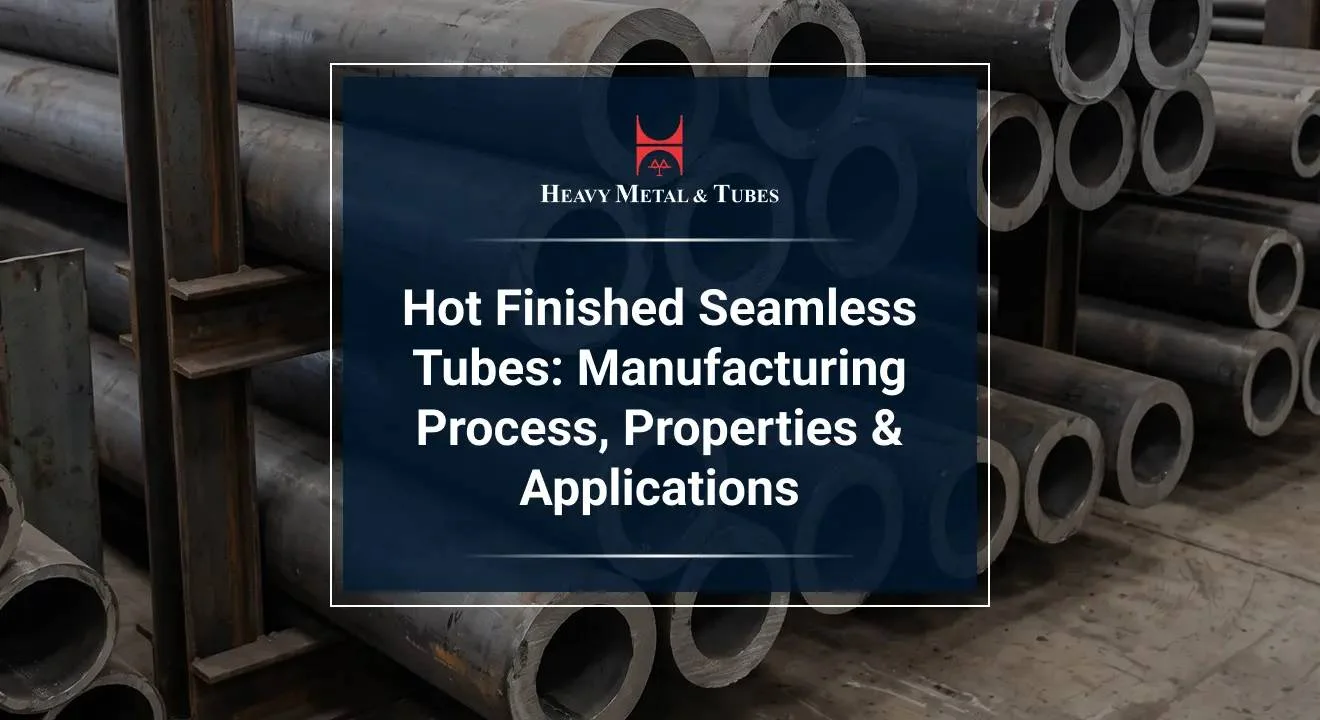
In many industries, heating and cooling are part of everyday production. Power plants need steam to generate electricity, refineries depend on controlled temperatures during processing, and manufacturing facilities use heat exchangers to manage different production stages. Behind these operations are tubes that must handle heat, pressure and continuous use. Materials such as hot finish carbon alloy steel are considered for applications where strength and resistance to demanding operating conditions are important.
Why Are Boiler and Heat Exchanger Tubes Important?
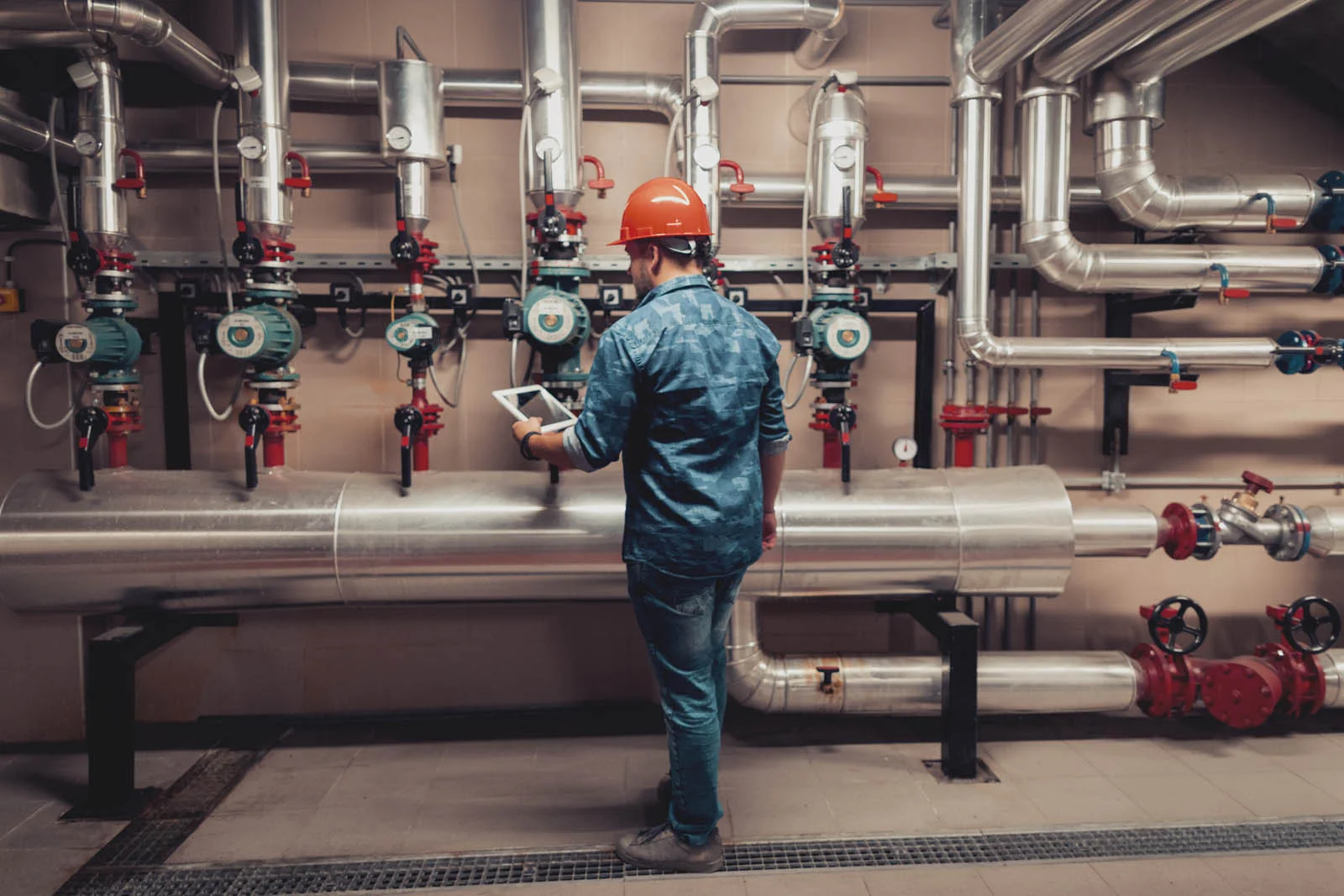
Boilers and heat exchangers may perform different functions, but both depend heavily on the quality of their tubes. In a boiler, tubes help transfer heat to water to produce steam. In a heat exchanger, they allow heat to move from one fluid to another without mixing the two substances.
Although these processes may sound straightforward, the equipment often works for long hours under challenging conditions. High temperatures, internal pressure and exposure to different fluids can gradually affect tube performance. This is why industries cannot treat tube selection as a minor purchasing decision.
The right tubing helps maintain consistent heat transfer and reduces the chances of unexpected equipment problems. It also supports smoother production, particularly in facilities where even a short shutdown can affect the entire operation.
Choosing the Right Material for Industrial Requirements
Not every industrial application requires the same type of steel. The choice depends on how the equipment will operate and what conditions the tubes need to withstand.
Carbon steel is commonly used in industrial systems because of its strength, availability and suitability for several pressure-related applications. Alloy steel is considered where additional mechanical strength or resistance to elevated temperatures is required. Stainless steel is often selected when corrosion resistance is an important consideration.
Apart from the material grade, buyers should pay attention to wall thickness, tube diameter, length and manufacturing specifications. A material that works well in one application may not be the right choice for another. Understanding the actual operating conditions before placing an order can help avoid unnecessary replacement and maintenance costs.
Where Are These Tubes Used?
The demand for boiler and heat exchanger tubes comes from several industries. Their applications vary depending on the type of equipment and the production process.
Power Generation: Power plants use boiler tubes to support steam generation. Since these systems operate under high temperatures and pressure, the tubes must meet the required mechanical and material specifications.
Oil and Gas: Refineries use heat exchangers for heating, cooling and temperature control during processing. Suitable tubing is important because equipment may come into contact with different process fluids and demanding operating conditions.
Chemical Industries: Chemical plants use heat transfer equipment at different stages of production. The selected tube material must be compatible with the process environment to maintain reliable operation.
Food and Beverage: Heating and cooling are common requirements in food processing. Heat exchangers are used in applications such as pasteurisation, sterilisation and product cooling.
Pharmaceutical Industries: Manufacturing medicines involves carefully controlled production conditions. Heat exchanger systems help maintain the required temperatures during different processing stages.
Businesses looking for suitable boiler & heat exchanger tubes for industrial applications should consider their equipment design and operating requirements before selecting a product.
Manufacturing Quality Makes a Difference
A tube may have the correct material grade on paper, but its manufacturing quality also matters. Inconsistent dimensions, uneven wall thickness or surface defects can create problems when the product is installed in industrial equipment.
For this reason, manufacturers carry out inspections and tests during production. Depending on the product specifications, these may include hydrostatic testing, ultrasonic testing and eddy current testing. Chemical analysis and mechanical tests are also used to check whether the material meets the required specifications.
Buyers should also check the applicable manufacturing standards and request relevant quality documents when sourcing industrial tubes. These checks provide a better understanding of the product and help ensure that it is suitable for the intended application.
What Should Buyers Check Before Purchasing?
Choosing an industrial tube supplier involves more than comparing prices. A few important details should be reviewed before making a decision.
First, understand the operating temperature and pressure of the equipment. Next, confirm the required material grade, dimensions and manufacturing specifications. It is also worth checking the supplier's product range, quality inspection procedures and ability to provide the required documentation.
Clear communication between the buyer and manufacturer can make the purchasing process easier. Sharing accurate technical requirements from the beginning also reduces the possibility of receiving products that do not match the application.
Finding a Suitable Industrial Tube Supplier
Industrial buyers often need different types of tubing depending on their equipment and production requirements. Working with a manufacturer that understands these requirements can make product selection more straightforward.
Heavy Metal & Tubes (India) Pvt. Ltd. deals in stainless steel, carbon steel and alloy steel tubular products for various industrial applications. Its product range includes seamless and welded tubes, U tubes, boiler tubes and heat exchanger tubes.
For businesses sourcing industrial tubing, reviewing available product specifications and discussing application requirements with the supplier can help identify an appropriate solution.
Conclusion
Boiler and heat exchanger tubes may be small components within large industrial systems, but their role should not be overlooked. Material selection, manufacturing quality and regular inspection all contribute to dependable equipment performance. Before choosing a product, buyers should understand their operating conditions and verify that the selected tubes meet the necessary specifications. Taking these steps can help industries maintain smoother operations and avoid problems caused by unsuitable tubing.