Sign up with Google
 Sign in with Zoho

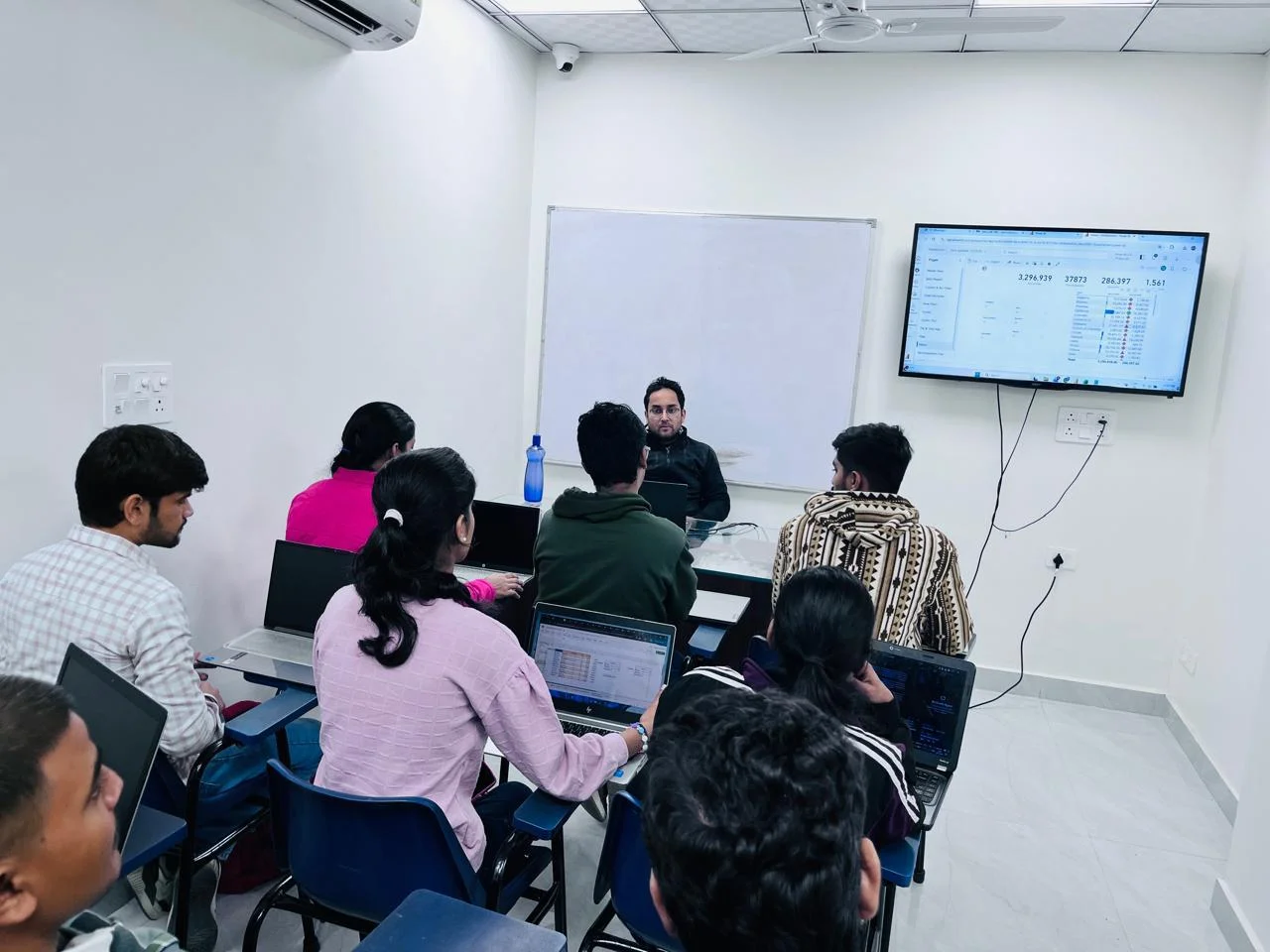
Data is at the heart of almost every modern organisation. Businesses collect information about customers, products, sales, employees, transactions and operations every day. But storing data is only useful when organisations can retrieve, organise and analyse it properly. This is where databases and SQL become important.
SQL, or Structured Query Language, is one of the most widely used technologies for working with relational databases. It is used by data analysts, software developers, business intelligence professionals, database administrators and many other technology professionals.
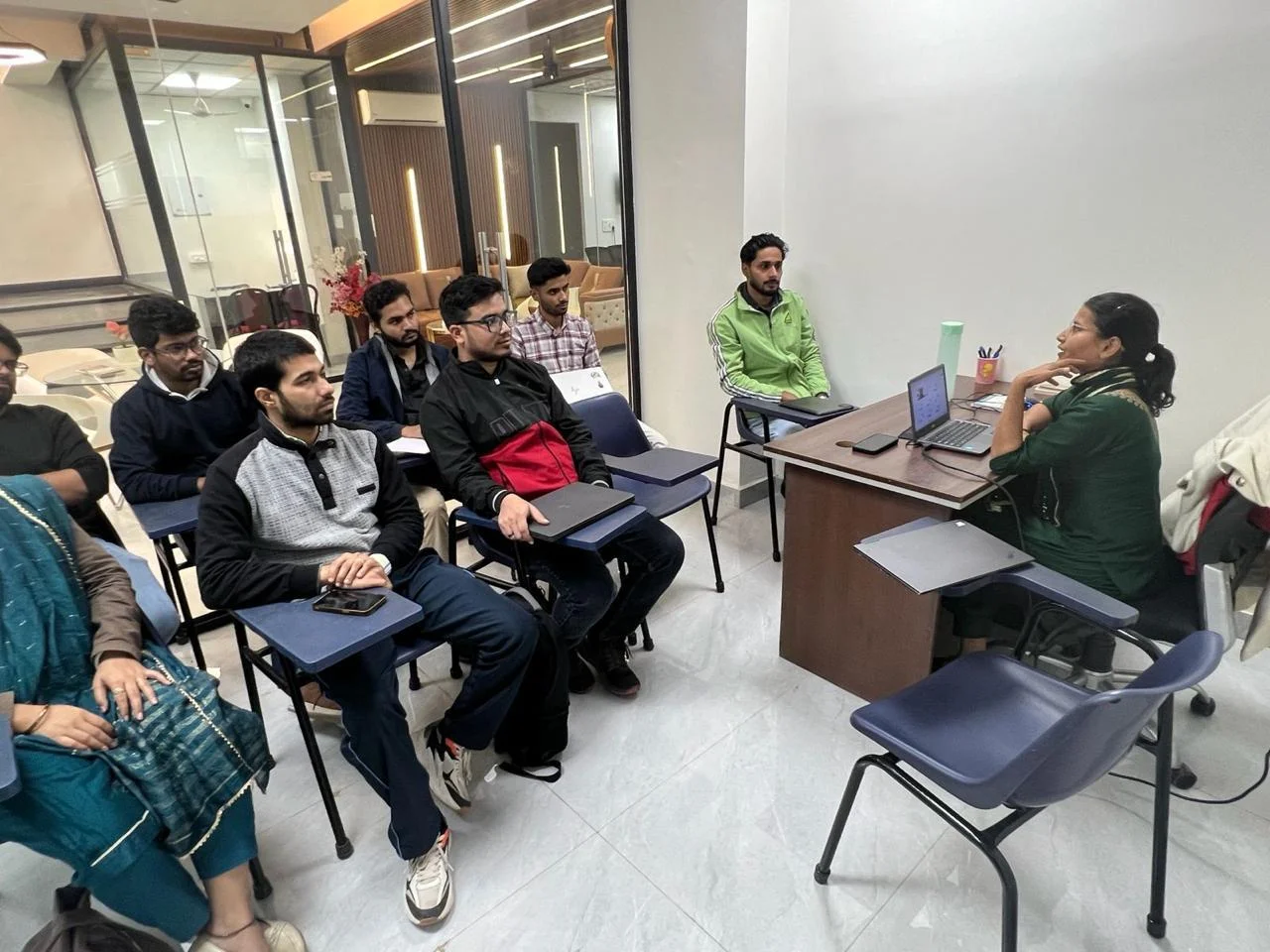
For students, fresh graduates and working professionals who want to build data-related skills, a structured SQL Course in Gurgaon can be a practical starting point. Gurgaon has a large corporate and technology ecosystem, creating a strong environment for learners interested in database and analytics careers.
At Gyansetu, we focus on practical technology training that helps learners understand concepts and apply them through exercises and projects. This guide explains what beginners should know about learning SQL in 2026.
What Is SQL?
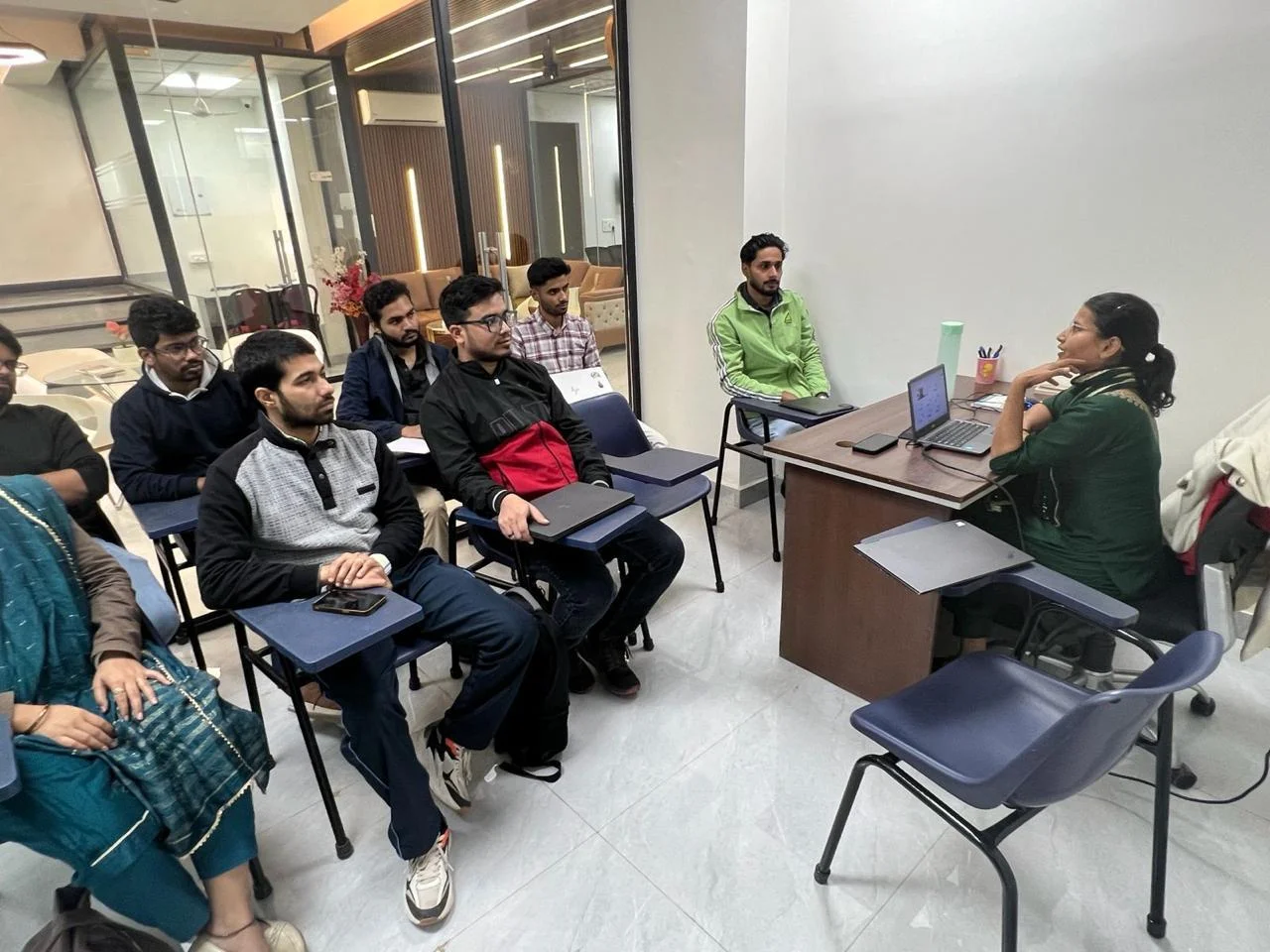
SQL stands for Structured Query Language. It is used to communicate with relational databases.
A database can contain thousands or even millions of records. Instead of manually searching through this information, SQL allows users to retrieve the required data using queries.
For example, a company may have a customer database containing names, locations, purchase history and contact information. An analyst can use SQL to find customers from a particular city, calculate total purchases or identify customers who have not purchased anything recently.
SQL makes it possible to work with large amounts of structured information efficiently.
Why Learn SQL in 2026?
SQL continues to be an important skill because databases remain a fundamental part of business technology.
Companies use databases for applications, websites, financial systems, customer relationship management, inventory management and reporting.
For data professionals, SQL is particularly valuable because it provides direct access to business data.
Learning SQL can also complement other skills. A data analyst may use SQL to retrieve information, Excel or Python for additional analysis and Power BI to present the final results.
This makes SQL an important part of a broader data analytics skill set.
Who Can Join an SQL Course?
An SQL Course can be suitable for learners from different backgrounds.
It may be useful for:
- College students
- Recent graduates
- Data analytics learners
- Software developers
- Business analysts
- IT professionals
- Database beginners
- Working professionals
- Candidates planning a career change
Beginners do not need to know advanced programming before starting SQL. SQL is different from general-purpose programming languages, and many basic queries can be learned without extensive coding experience.
Logical thinking and regular practice are more important at the beginning.
What Do You Learn in an SQL Course?
A good beginner-level programme should start with basic database concepts and gradually introduce more advanced queries.
1. Database Fundamentals
Before writing queries, learners should understand what databases are and how information is organised.
Topics may include tables, rows, columns, primary keys, foreign keys and relationships between tables.
Understanding these concepts makes it easier to write meaningful SQL queries later.
2. Basic SQL Queries
The first SQL commands usually include SELECT, FROM and WHERE.
For example, a learner may need to retrieve customer records from a particular city. A simple query can filter the database and return only the required information.
Students should practise writing different queries rather than simply memorising syntax.
3. Filtering and Sorting
Real-world analysis often requires filtering information based on specific conditions.
SQL allows users to filter records and sort results according to different columns.
Concepts such as comparison operators, logical operators, ORDER BY and filtering conditions form an important part of beginner-level SQL learning.
4. Aggregate Functions
Businesses often need summary information rather than individual records.
Aggregate functions such as COUNT, SUM, AVG, MIN and MAX can be used to calculate useful metrics.
For example, a sales team may want to know total revenue, average order value or the number of transactions completed during a particular month.
5. GROUP BY and HAVING
GROUP BY allows users to organise data into categories and calculate summary values for each category.
For example, a business may want to calculate total sales for each city.
HAVING can then be used to filter grouped results based on specific conditions.
These concepts are particularly important for data analysts because they are frequently used in business reporting.
Understanding SQL Joins
Joins are one of the most important topics in SQL.
Business information is often stored across multiple tables rather than in one large table. For example, customer information may be stored separately from order information.
SQL joins allow users to combine information from these tables.
Common join types include:
- INNER JOIN
- LEFT JOIN
- RIGHT JOIN
- FULL JOIN
Understanding how and when to use joins is an essential skill for anyone working with relational databases.
Subqueries and Advanced SQL
Once learners become comfortable with basic queries and joins, they can move towards more advanced concepts.
These may include subqueries, Common Table Expressions, CASE statements, window functions and other techniques.
Advanced SQL can help analysts answer more complex business questions.
For example, a company may want to identify customers whose purchases are above the average purchase value. A subquery or another advanced technique can help solve this type of problem.
SQL for Data Analytics
SQL is particularly valuable for data analysts because it allows them to work directly with business databases.
A typical analytics workflow may involve retrieving data using SQL, cleaning or analysing it with other tools and then creating reports or dashboards.
For example:
- SQL is used to retrieve sales data.
- The data is checked and cleaned.
- Key performance indicators are calculated.
- The results are visualised using Power BI or another reporting tool.
- Insights are presented to business teams.
This shows why SQL is often learned alongside Excel, Power BI and Python.
Importance of Practical SQL Projects
SQL is a skill that improves through practice.
Reading about joins or aggregate functions is useful, but writing queries against actual datasets provides a much better understanding.
A practical project could involve a fictional e-commerce database containing customer, product, order and payment tables.
Learners might answer questions such as:
- Which products have the highest sales?
- Which customers have placed the most orders?
- What is the monthly revenue?
- Which cities generate the most business?
- What is the average order value?
- Which products have declining sales?
Projects like these help learners understand how SQL is used to answer real business questions.
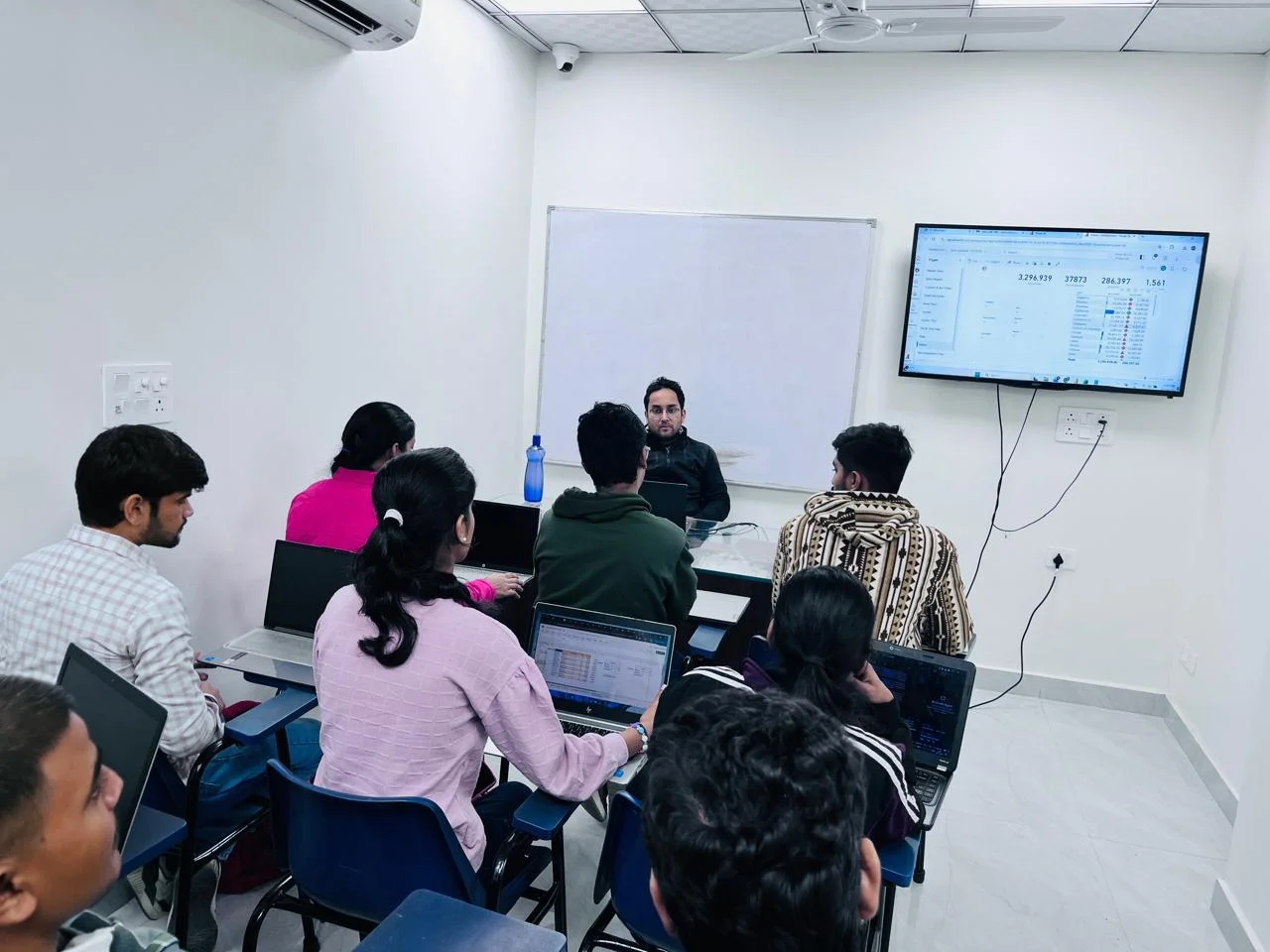
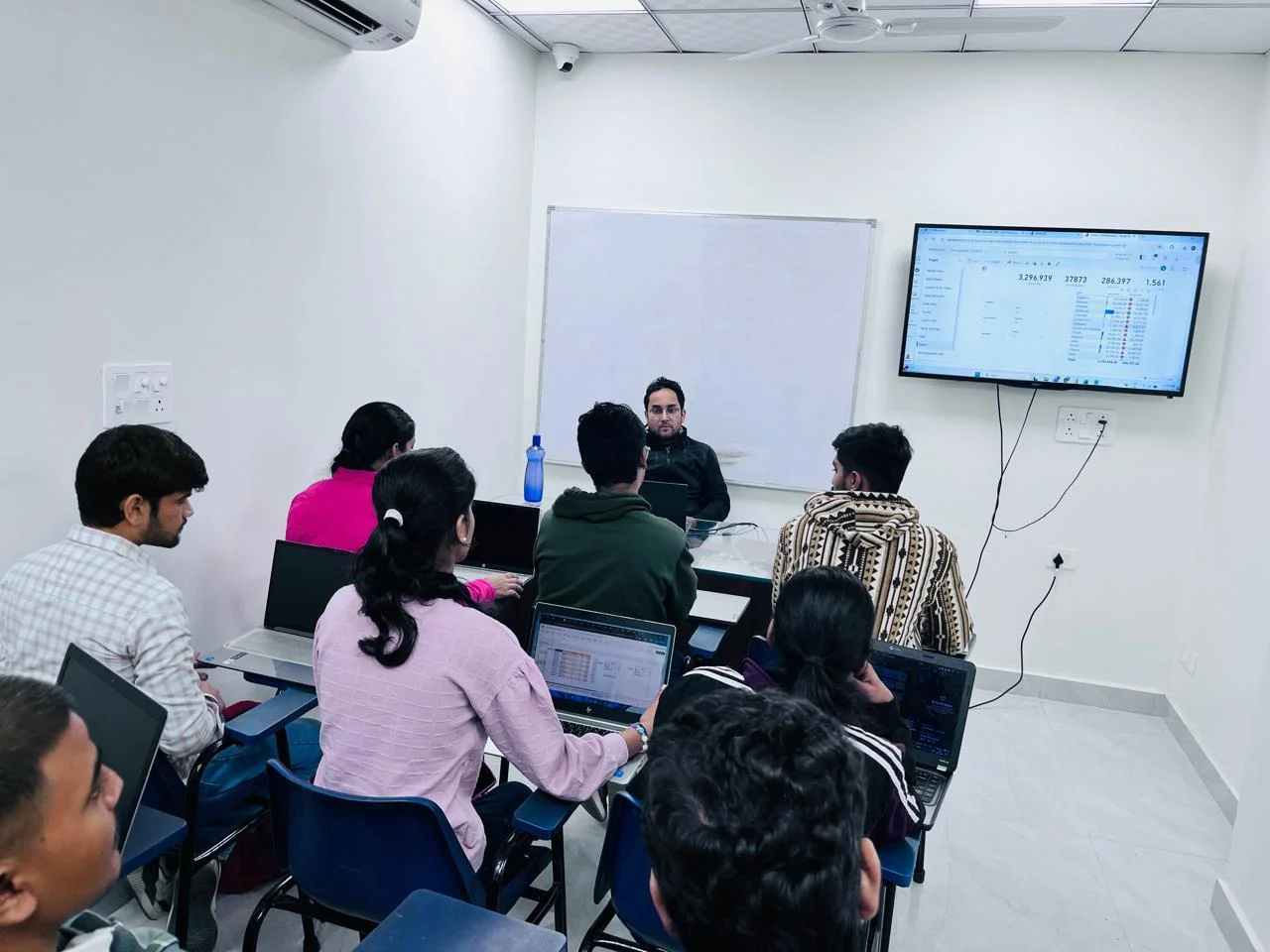
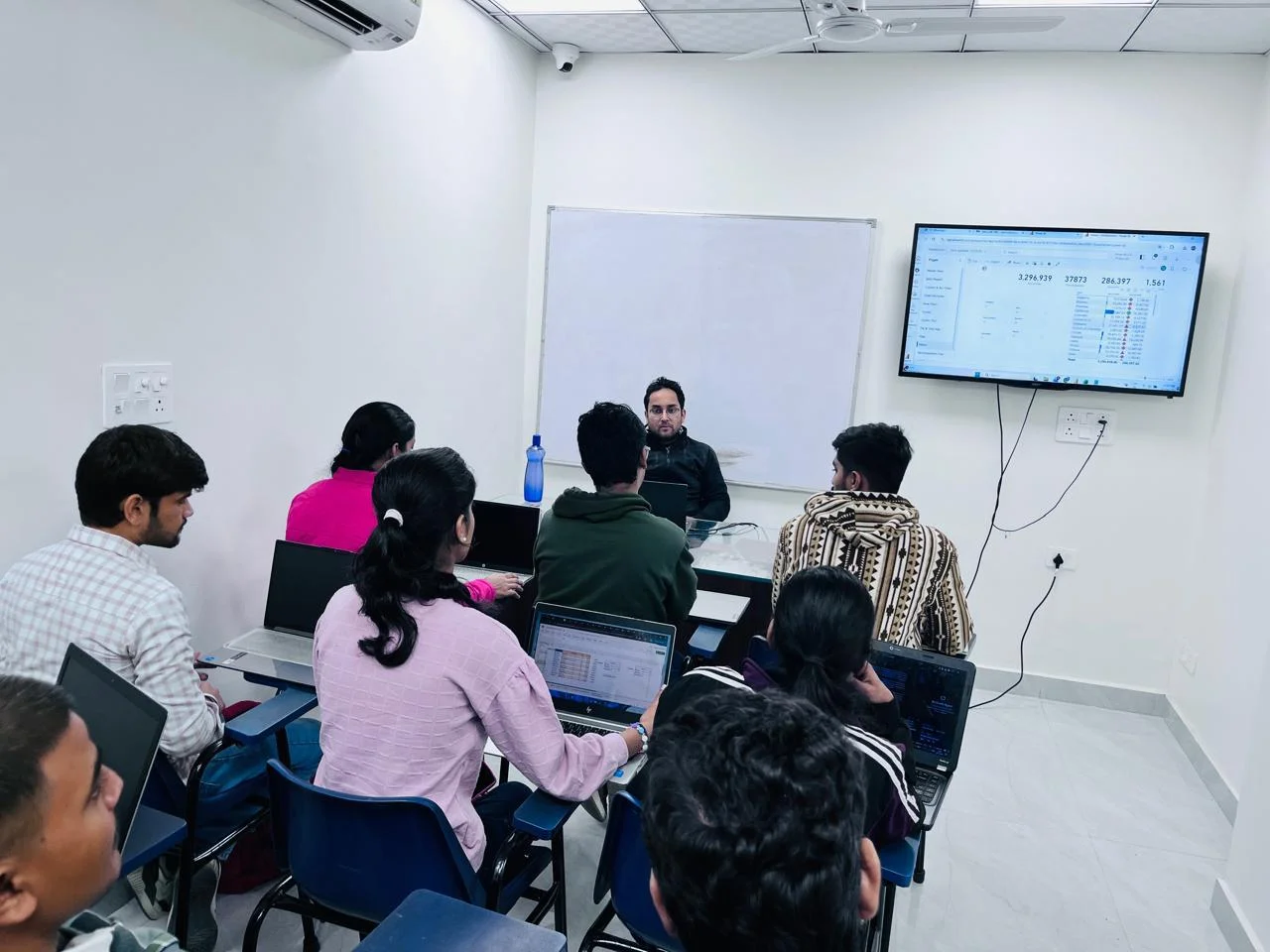
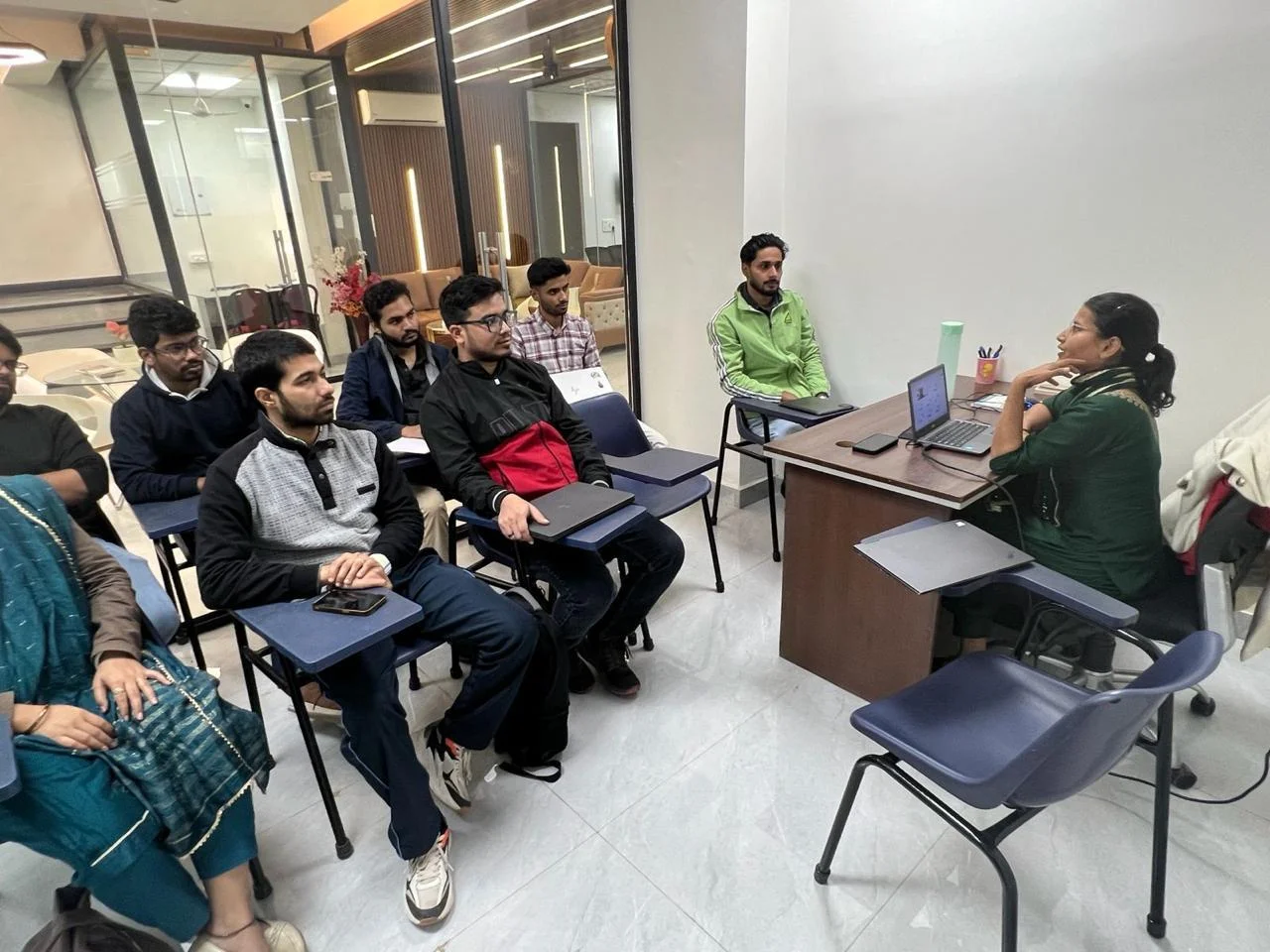
At Gyansetu, practical learning is an important part of our training approach. Learners are encouraged to practise SQL through exercises and projects that reflect workplace situations.
Career Opportunities After Learning SQL
SQL can support several career paths. Depending on additional skills and experience, learners may consider roles such as:
- SQL Developer
- Data Analyst
- Business Analyst
- Database Developer
- Business Intelligence Analyst
- Reporting Analyst
- Database Administrator
SQL is rarely the only skill required for a particular role. For example, data analysts may also need Excel, Power BI, Python and basic statistics.
Building a combination of skills can provide more career options.
How to Choose an SQL Course in Gurgaon
Before joining an SQL Course in Gurgaon, candidates should carefully compare the curriculum and learning approach.
Look for a programme that provides:
Strong fundamentals: The course should explain databases and SQL concepts clearly.
Regular practice: Students should write queries frequently.
Realistic datasets: Working with practical datasets can make concepts easier to understand.
Advanced topics: The course should gradually introduce joins, subqueries and other important concepts.
Project work: Projects help learners apply different SQL skills together.
Trainer support: Beginners should have access to guidance when they face difficulties.
Why Learn SQL at Gyansetu?
Gyansetu has been providing technology training since 2012. Our programmes cover SQL, Data Analytics, Data Science, Python, Power BI, Advanced Excel, Artificial Intelligence and other technology areas.
We understand that database concepts can initially seem confusing to beginners. Our approach focuses on clear explanations, regular practice and practical examples.
For learners considering an SQL Course in Gurgaon, the goal should be to build the ability to solve data-related problems, not simply memorise SQL commands.
Final Thoughts
SQL remains an important technology skill in 2026 because businesses continue to rely heavily on databases. Whether you are interested in data analytics, business intelligence, software development or database management, SQL can provide a strong technical foundation.
A good SQL Course should combine database fundamentals, query writing, joins, aggregation, advanced concepts and practical projects.
If you are planning to join an SQL Course in Gurgaon, start with the basics and practise consistently. Work with different datasets, try to answer business questions and gradually move towards advanced queries.
At Gyansetu, we encourage learners to develop practical skills through structured training and project-based learning. With regular practice and a willingness to keep learning, SQL can become a valuable skill for building a career in data and technology.