Sign up with Google
 Sign in with Zoho

Data is now a major part of how businesses operate. Companies collect information from customers, websites, sales platforms, financial systems and internal operations. But having data is only the beginning. Businesses also need professionals who can organise this information, identify useful patterns and present findings in a way that supports better decisions.
This is where data analysts play an important role. For students, fresh graduates and working professionals looking for a career in analytics, learning the right technical and analytical skills can open doors to several opportunities.
A Data Analyst Course in Noida can provide beginners with a structured way to learn important tools such as Excel, SQL, Power BI, Python and statistics. With Noida's growing technology and business ecosystem, the city has also become a popular destination for people looking to build careers in data and IT.
What Does a Data Analyst Actually Do?
A data analyst is responsible for collecting, cleaning, analysing and presenting data. Their work helps organisations understand what is happening within the business and make informed decisions.
For example, imagine an online business experiencing a drop in monthly sales. A data analyst might examine sales figures, customer behaviour, product categories, locations and marketing campaigns to understand where the problem could be.
The work may include:
- Collecting data from different sources
- Cleaning and organising datasets
- Writing SQL queries
- Analysing trends and patterns
- Preparing reports
- Creating dashboards
- Performing basic statistical analysis
- Communicating insights to business teams
Therefore, being a data analyst is not just about knowing software. It also requires logical thinking and the ability to ask the right questions.
Why Learn Data Analytics in 2026?
Businesses across industries are becoming increasingly dependent on data. Technology companies, banks, retail businesses, healthcare organisations, e-commerce platforms and consulting firms all use data to monitor performance and understand customers.
This has increased the importance of professionals who can work with data effectively.
Another reason people choose analytics is the variety of career paths available. A learner can start with fundamental analytics skills and later move towards business intelligence, data science, product analytics or other specialised areas.
However, it is important to have realistic expectations. Completing a Data Analyst Course does not automatically make someone job-ready. Practical experience, projects, interview preparation and regular practice are equally important.
Who Can Join a Data Analyst Course?
Data analytics can be learned by people from different educational backgrounds. You do not necessarily need a computer science degree to begin.
A Data Analyst Course in Noida can be suitable for:
- College students
- Recent graduates
- Commerce graduates
- Management students
- Engineering graduates
- IT professionals
- Working professionals
- People planning a career change
If you are comfortable with basic mathematics and have an interest in problem-solving, you can gradually develop the required skills.
The most important thing is consistency. Data analytics involves several tools, and becoming comfortable with them requires hands-on practice.
Important Skills Covered in Data Analytics
A good data analytics programme should cover both technical tools and analytical concepts.
Excel
Excel is still commonly used for business reporting and analysis. Beginners can start with formulas, sorting, filtering and basic charts before moving to pivot tables, lookup functions, data cleaning and dashboards.
Strong Excel skills can be useful in many entry-level reporting and analytics roles.
SQL
SQL is one of the most important skills for a data analyst. Business data is often stored in relational databases, and SQL allows analysts to retrieve and manipulate that information.
Learners should become comfortable with:
- SELECT statements
- WHERE conditions
- GROUP BY
- ORDER BY
- Aggregate functions
- Joins
- Subqueries
- Window functions
Regular SQL practice is particularly helpful when preparing for technical interviews.
Power BI
Power BI helps professionals convert data into interactive reports and dashboards. It is useful when decision-makers need a visual overview of business performance.
A learner can practise creating dashboards for sales, finance, marketing, HR or operations.
Python
Python is increasingly useful in data analytics. Libraries such as Pandas and NumPy can help with data cleaning, transformation and analysis.
Python may appear challenging during the first few lessons, but beginners generally become more comfortable as they practise simple programs and gradually work with datasets.
Statistics
Statistics helps analysts interpret results correctly. Basic concepts such as averages, percentages, distributions, correlation and probability can be useful when analysing business data.
Knowing how to interpret a result is just as important as calculating it.
Why Choose Noida for Data Analytics Training?
Noida has developed into an important technology and corporate hub in the Delhi-NCR region. The city has companies working in IT services, consulting, finance, e-commerce, telecommunications and other industries.
For learners, this creates a professional environment where data-related skills are increasingly relevant.
A Data Analyst Course in Noida can also be convenient for students and professionals living in nearby areas of Delhi-NCR.
Still, learners should not choose an institute based only on its location. Before enrolling, it is sensible to compare the course curriculum, practical training, trainer experience, project work, learning support and career assistance.
Why Practical Projects Matter
Learning a tool is different from knowing how to use it to solve a business problem.
Suppose you learn Power BI. You may know how to create charts, but can you build a dashboard that answers questions such as:
- Which products are selling the most?
- Which region is generating the highest revenue?
- How have sales changed over time?
- Which customer segment contributes the most revenue?
Projects help bridge this gap between classroom learning and practical work.
Beginners can work on projects related to:
- Sales analysis
- Customer behaviour
- E-commerce
- Employee data
- Marketing performance
- Financial analysis
- Retail operations
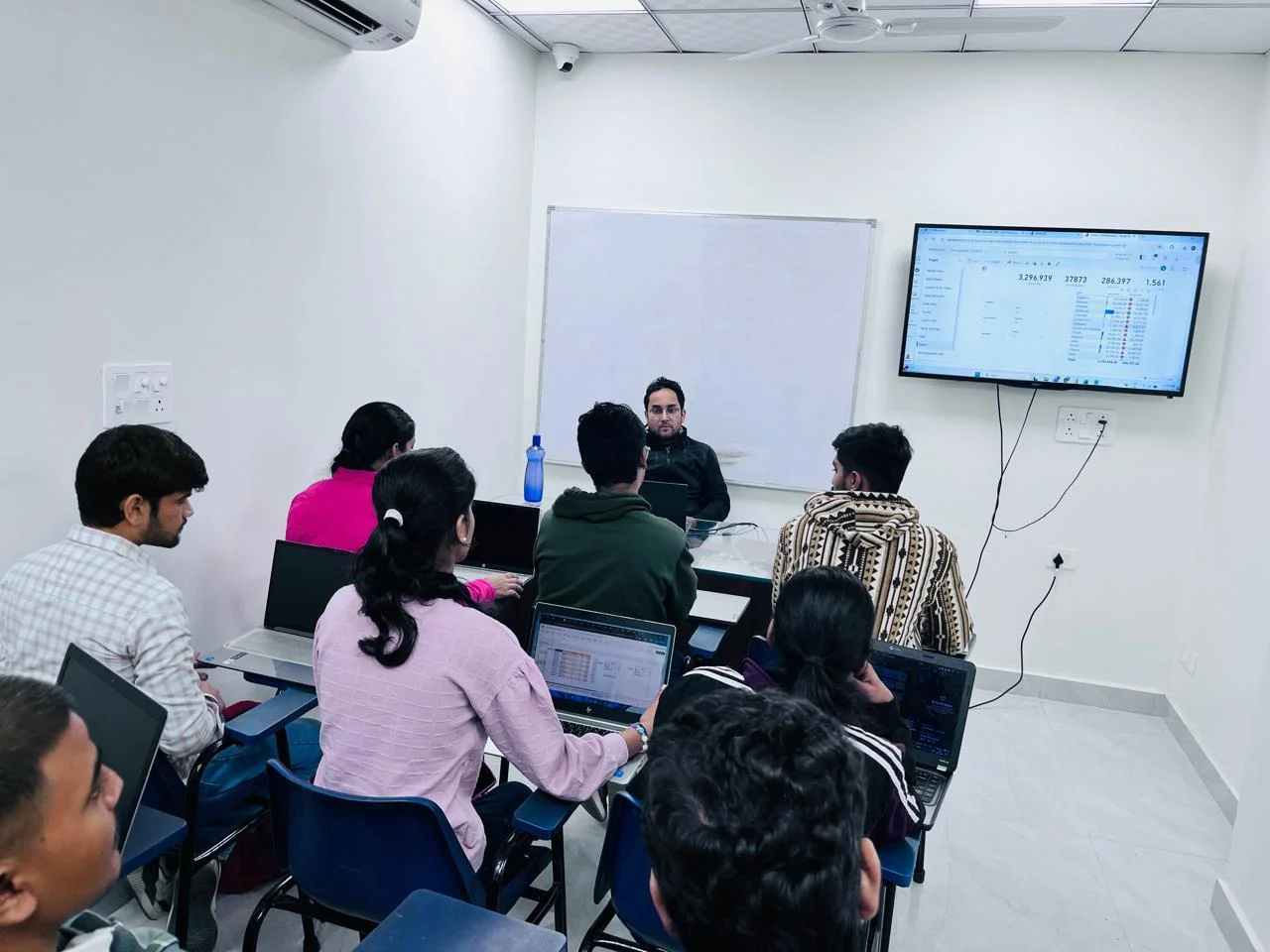
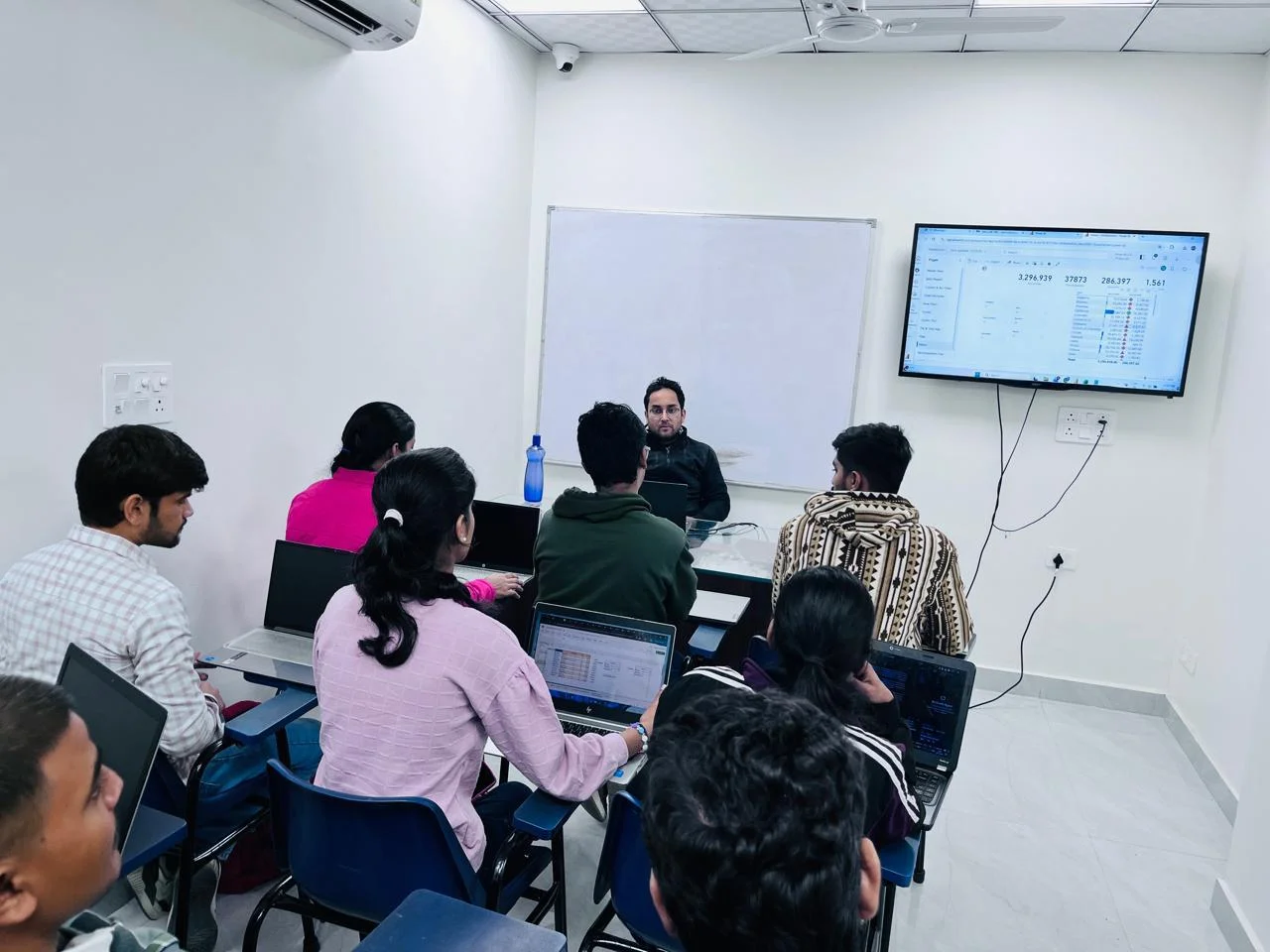
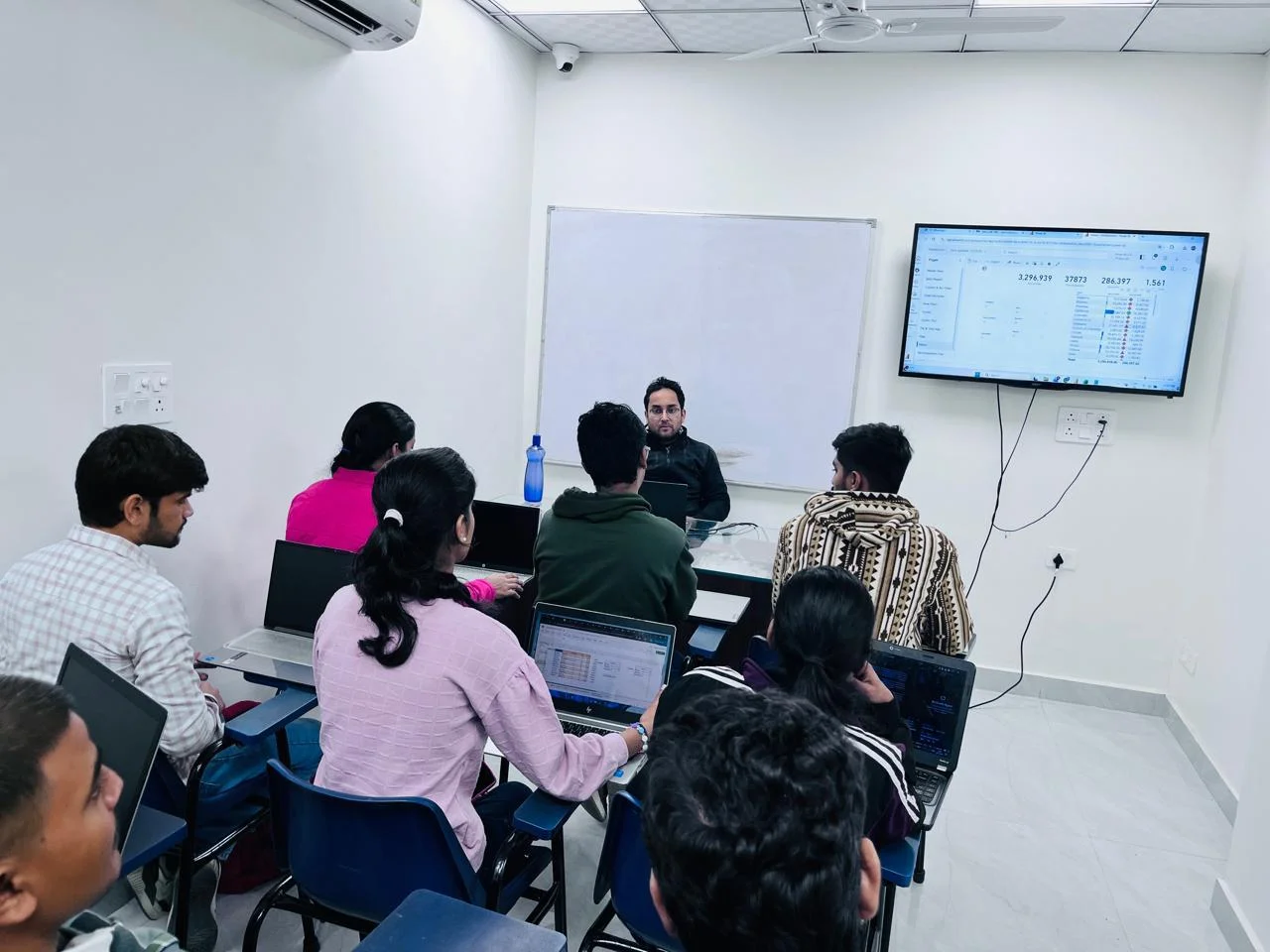
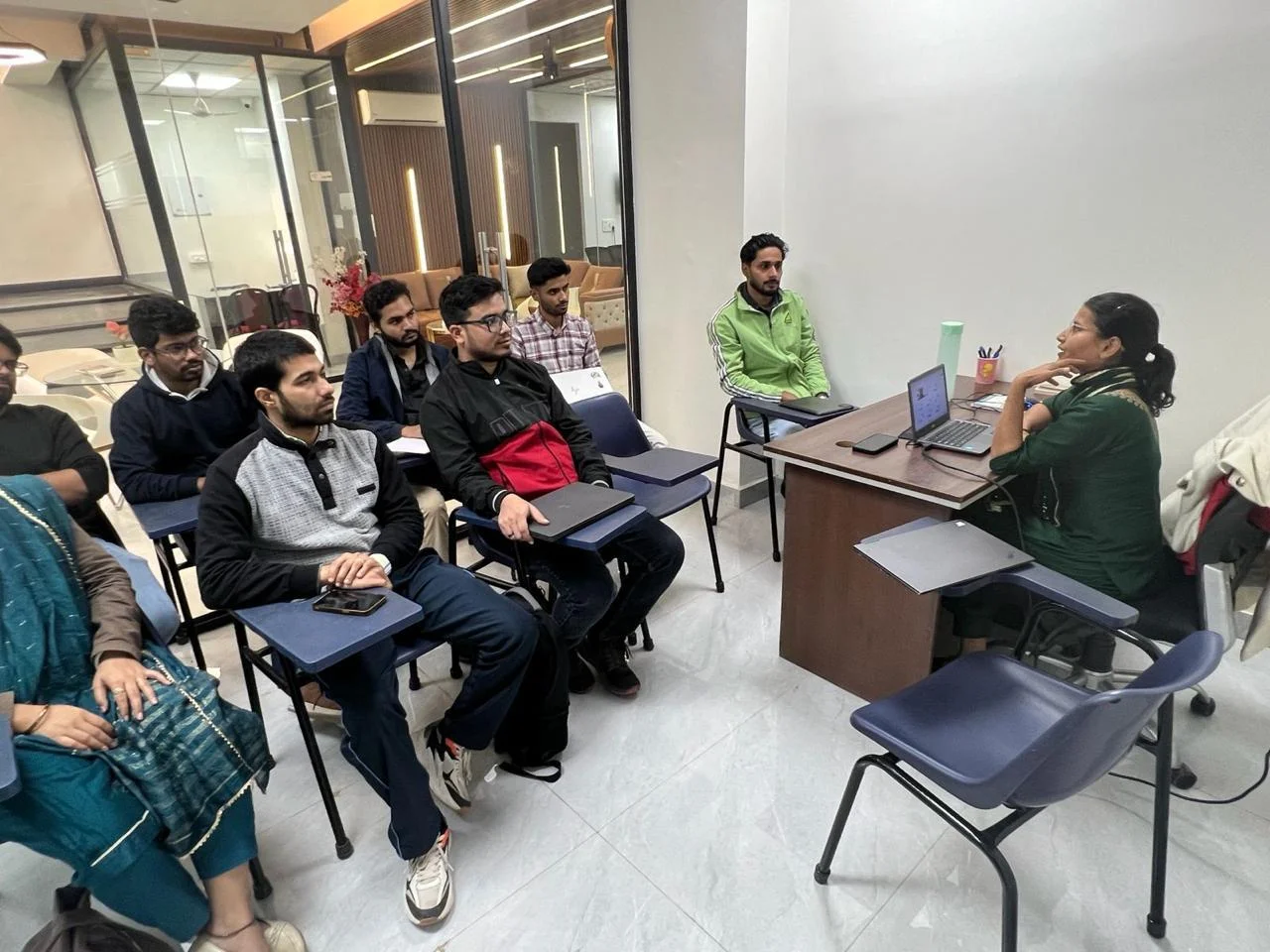
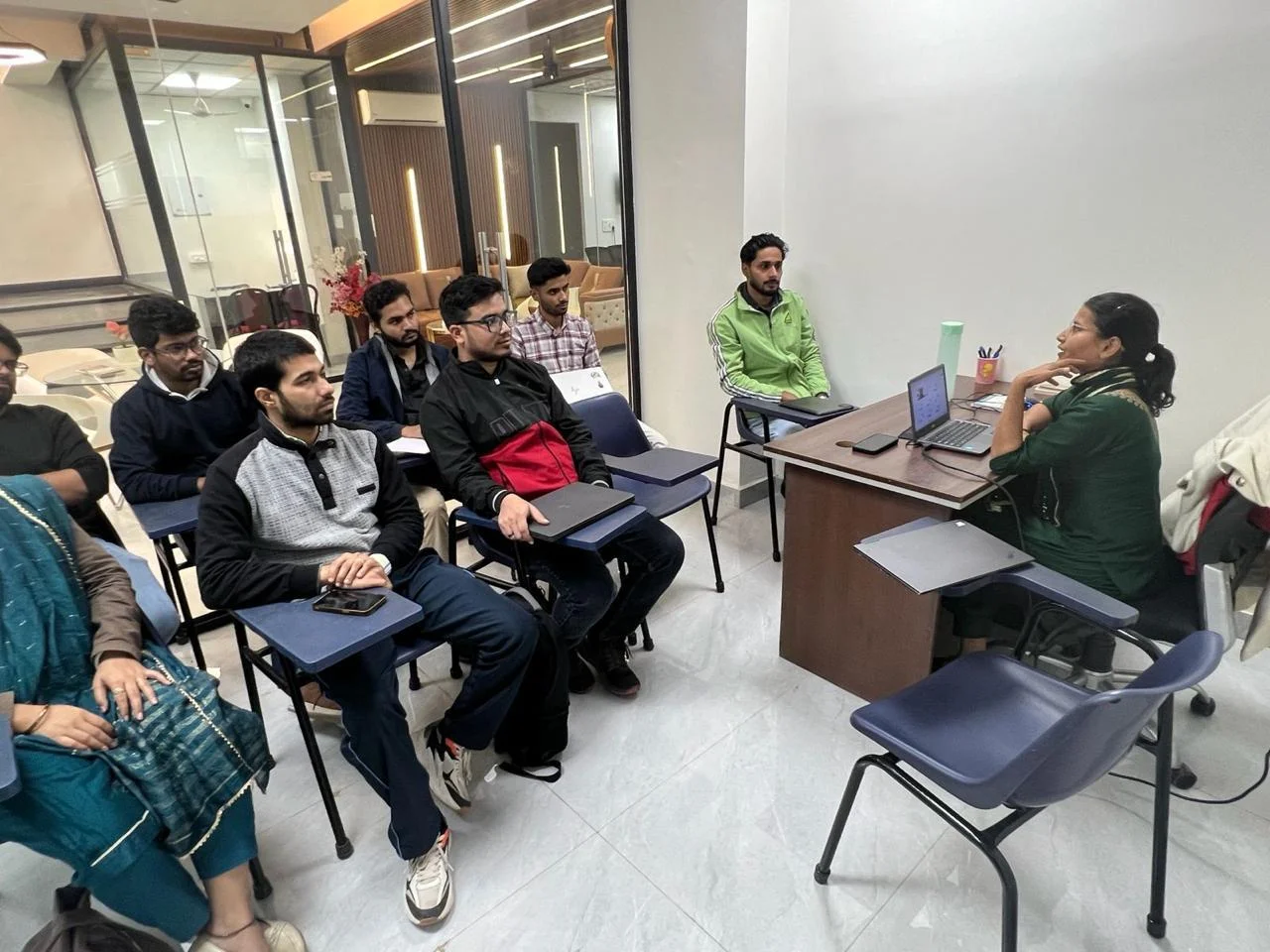
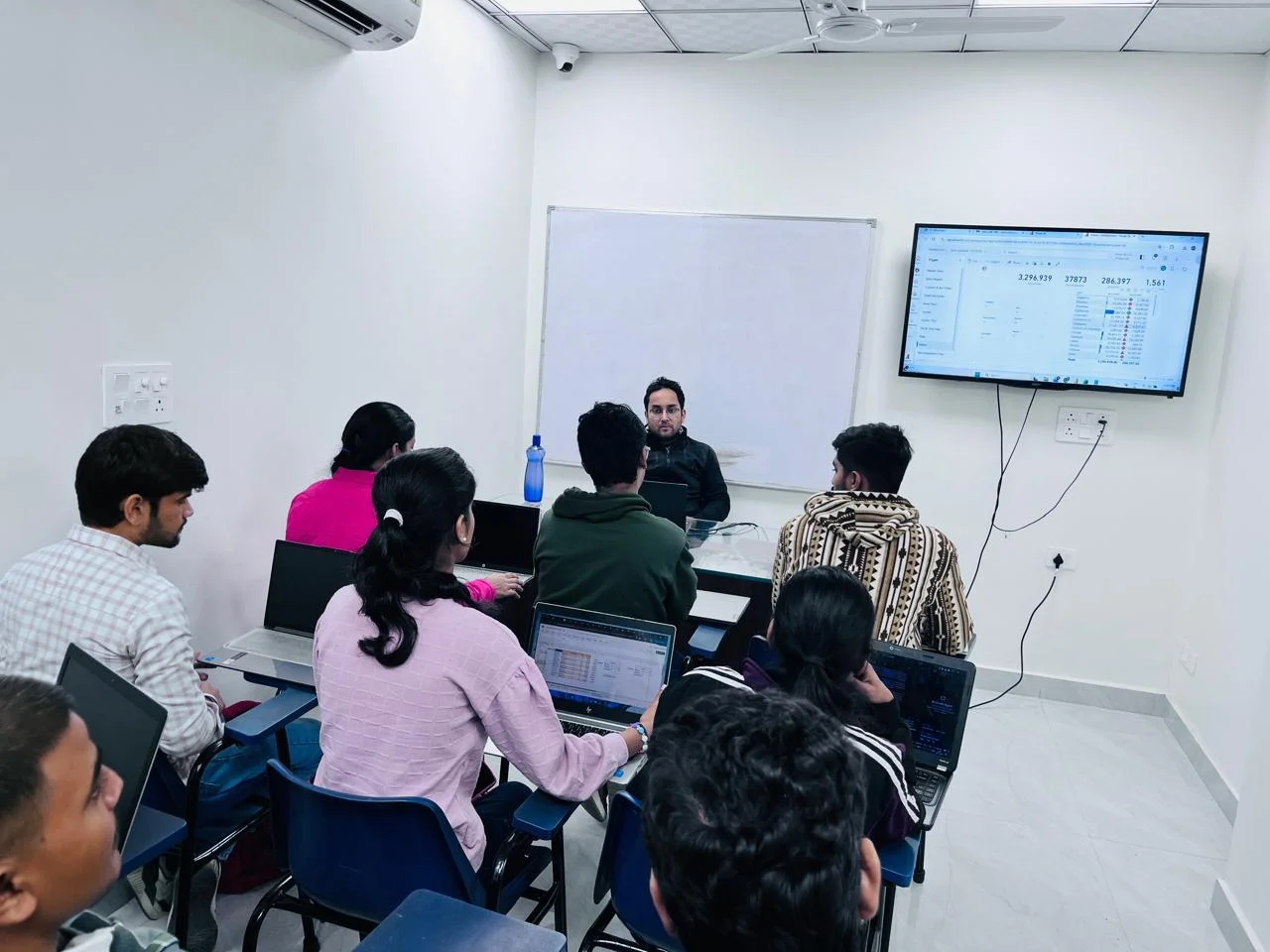
At Gyansetu, practical learning forms an important part of our data analytics training. We encourage learners to work with datasets and assignments so they can apply concepts rather than simply memorising them.
Career Options After a Data Analyst Course
Once learners develop the necessary skills and practical knowledge, they can consider several entry-level roles.
Potential job titles include:
- Data Analyst
- Junior Data Analyst
- Business Analyst
- Reporting Analyst
- MIS Analyst
- Business Intelligence Analyst
- Operations Analyst
The exact role depends on an individual's skills, educational background and experience.
With time, professionals can develop expertise in specific industries or analytical areas. Additional knowledge of statistics, business intelligence, Python or machine learning can also support career progression.
How to Prepare for Data Analyst Interviews
Interview preparation should begin while learning, rather than after completing the course.
Start by revising Excel, SQL, Power BI and basic statistics regularly. Practise solving SQL problems without depending on prepared answers.
You should also be ready to discuss your projects. An interviewer may ask:
- Why did you choose this dataset?
- How did you clean the data?
- What problems did you face?
- Which tools did you use?
- What insights did you find?
- How would your analysis help a business?
Communication is another important skill. An analyst may have excellent technical knowledge, but if they cannot explain their findings clearly, their analysis may not be useful to decision-makers.
Why Choose Gyansetu?
At Gyansetu, we believe that learning data analytics should involve more than completing a syllabus. Since 2012, we have been providing professional training in areas such as Data Analytics, Data Science, Python, Power BI, SQL, Generative AI and other technology domains.
Our focus is on helping learners understand concepts, practise tools and work on practical projects. We also provide career-oriented guidance to help learners prepare for interviews and professional opportunities.
For someone considering a Data Analyst Course in Noida, the goal should be to build skills that can actually be applied in a workplace. A supportive learning environment, regular practice and project experience can make the learning journey more meaningful.
Final Thoughts
Data analytics offers an interesting career path for people who enjoy working with information, numbers and problem-solving. You do not need to know everything before beginning. What matters is having a structured learning plan and being willing to practise consistently.
A Data Analyst Course in Noida can help beginners develop skills in Excel, SQL, Power BI, Python and statistics while gaining practical experience through projects.
At the same time, learners should remember that a successful career is built over time. Keep practising, build a portfolio, understand business problems and prepare seriously for interviews.
For beginners starting their journey in 2026, data analytics can be a strong career option when learning is supported by practical skills, curiosity and consistent effort.