 Sign up with Google
 Sign in with Zoho

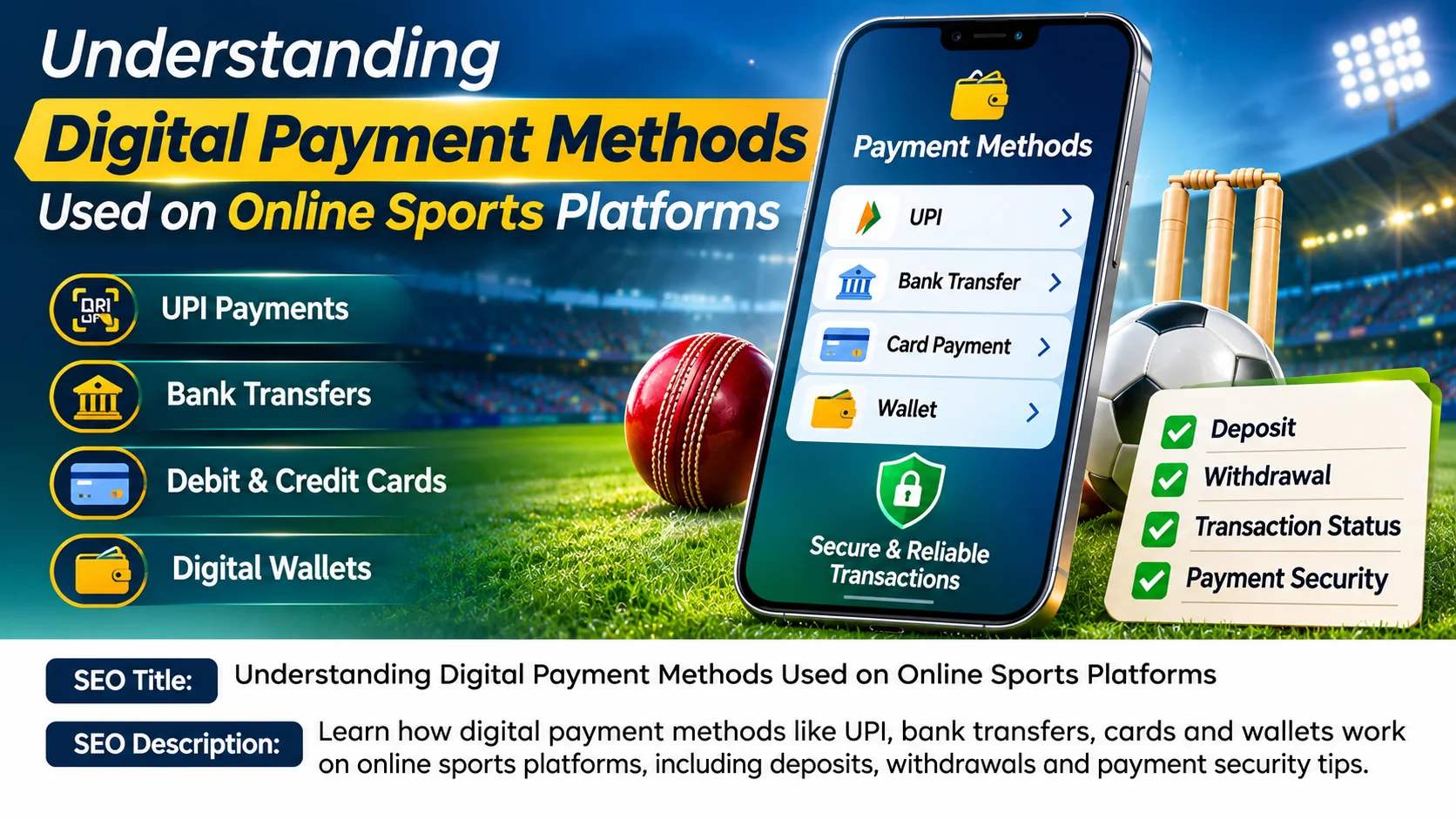
Digital payments have become an important part of modern internet services. People use electronic payment systems to purchase products, subscribe to digital content, book tickets and access entertainment services.
Although these transactions are often completed through simple mobile interfaces, the underlying payment processes can involve several financial institutions and technology providers.
Understanding how digital payments work can help users recognize processing delays, verify transaction information and protect sensitive financial details.
How Do Electronic Payment Systems Work?
An electronic payment generally begins when a user selects a payment method and authorizes a transaction.
The request may pass through a bank, payment gateway or other financial service provider.
Once the transaction is processed, the receiving service may update its account records.
Payment authorization and account reconciliation are related but separate activities.
This explains why transaction information may not appear simultaneously across every system.
What Are the Main Digital Payment Options?
UPI
Unified Payments Interface enables supported bank-account transactions through participating applications in India.
Users may initiate payments using a UPI address, QR code or other supported payment flow.
Recipient details should always be verified before authorizing a transfer.
Bank Transfers
Bank transfers move funds between financial accounts.
Different banking networks support different transaction types and processing arrangements.
Users should verify beneficiary information before submitting a transfer request.
Debit and Credit Cards
Card payments involve the issuing bank, card network and payment processor.
Additional authentication may be required depending on the transaction.
Digital Wallets
Digital wallets may provide stored balances or access to linked payment methods.
Their features, transfer restrictions and withdrawal capabilities vary between providers.
Why Do Some Transactions Remain Pending?
Pending transactions can occur when payment confirmation has not yet been completed across all relevant systems.
Possible causes include banking network interruptions, verification requirements, delayed account updates or reconciliation problems.
A pending status should not automatically be interpreted as either a successful payment or a permanent failure.
Users should consult the relevant financial provider's transaction history before taking further action.
What Is the Difference Between Deposits and Withdrawals?
A deposit adds funds to a supported account or service balance.
A withdrawal involves requesting the transfer of eligible money to an approved external destination.
These processes may have different requirements.
Withdrawal requests can involve identity checks, transaction limits, destination verification or additional compliance procedures.
A platform's withdrawal approval and the receiving bank's final credit may occur at different times.
Why Should Users Review Published Payment Conditions?
Digital services may support different payment methods depending on their financial partners, operating locations and applicable regulations.
Published payment documentation can help users understand transaction procedures, verification requirements and restrictions.
For example, the Gold365 Green Payment Methods page is a platform-specific reference for reviewing information about deposits and withdrawals.
However, users should independently confirm current conditions and legal eligibility. Published instructions do not guarantee transaction completion or establish that a regulated service is lawful in every jurisdiction.
How Can Users Recognize Payment Security Risks?
Payment-related fraud can involve misleading messages, impersonation and requests for confidential information.
Users should never disclose banking passwords, UPI PINs, OTPs or card security codes to unknown contacts.
Payment screenshots should not be treated as definitive proof of completed transactions.
Instead, users should verify payment status through the relevant banking application or official financial provider.
What Should Users Do When a Transaction Is Unresolved?
Begin by reviewing the payment provider's transaction record.
Check the date, amount, recipient and transaction reference.
If the issue remains unresolved, contact the appropriate verified financial institution or service provider.
Avoid repeating the transaction until its status is understood.
Keeping accurate records can make the investigation process easier.
Why Is Payment Awareness Important?
Digital payment literacy helps users understand the difference between authorization, processing, account updates and final settlement.
These principles apply across shopping websites, subscription services, sports platforms and other digital environments.
By understanding transaction procedures and protecting financial credentials, users can make more informed decisions when using electronic payment systems.