Sign up with Google
 Sign in with Zoho
Great style shouldn't be limited to a single season, and that's exactly what makes matching sets such a smart investment. With the right fabric and print choices, the same category of clothing can carry you through every part of the year — you just need to know how to adapt it. Here's your complete seasonal breakdown.
Spring: Light Layers and Fresh Colors
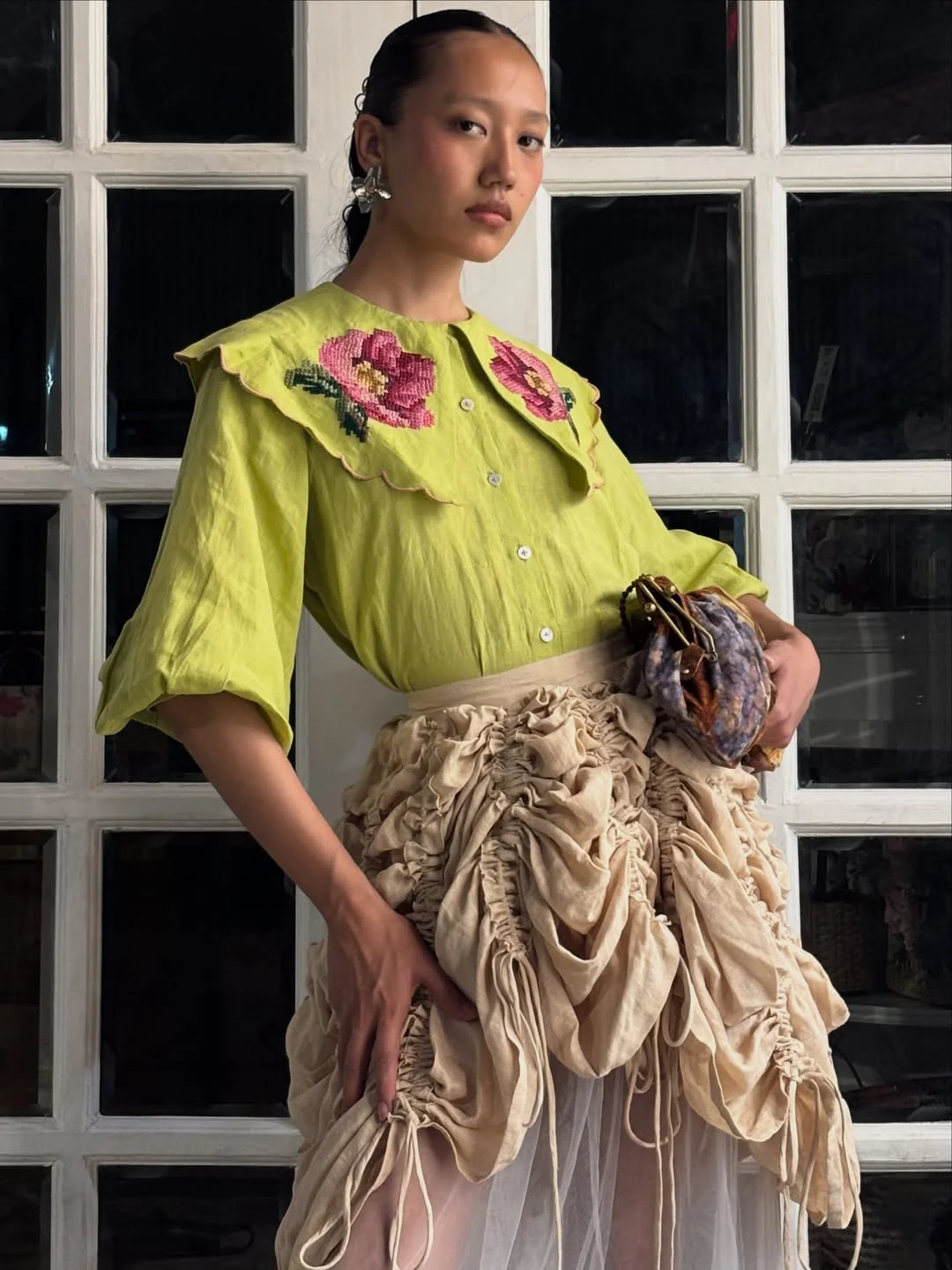
Spring calls for fabrics that breathe but still offer a little warmth for cooler mornings. Cotton and cotton-blend sets in soft pastels or light florals are ideal. Pair your set with a lightweight trench or denim jacket for early spring, and swap to sandals or canvas sneakers as temperatures rise. This is also the perfect season to experiment with pastel monochrome sets — a single soft color from head to toe feels fresh without being overwhelming.
Summer: Breathable Fabrics and Bold Prints
Summer is where matching sets truly shine. Linen and lightweight cotton sets keep you cool in the heat, while bold tropical or abstract prints add a vacation-ready energy to your everyday look. Sleeveless tops paired with shorts or a flowy skirt work well for hot, humid days, while wide-leg linen trousers offer a breezier, more elegant alternative. Sandals, straw bags, and minimal jewelry complete the summer aesthetic effortlessly.
Fall: Rich Tones and Textured Fabrics
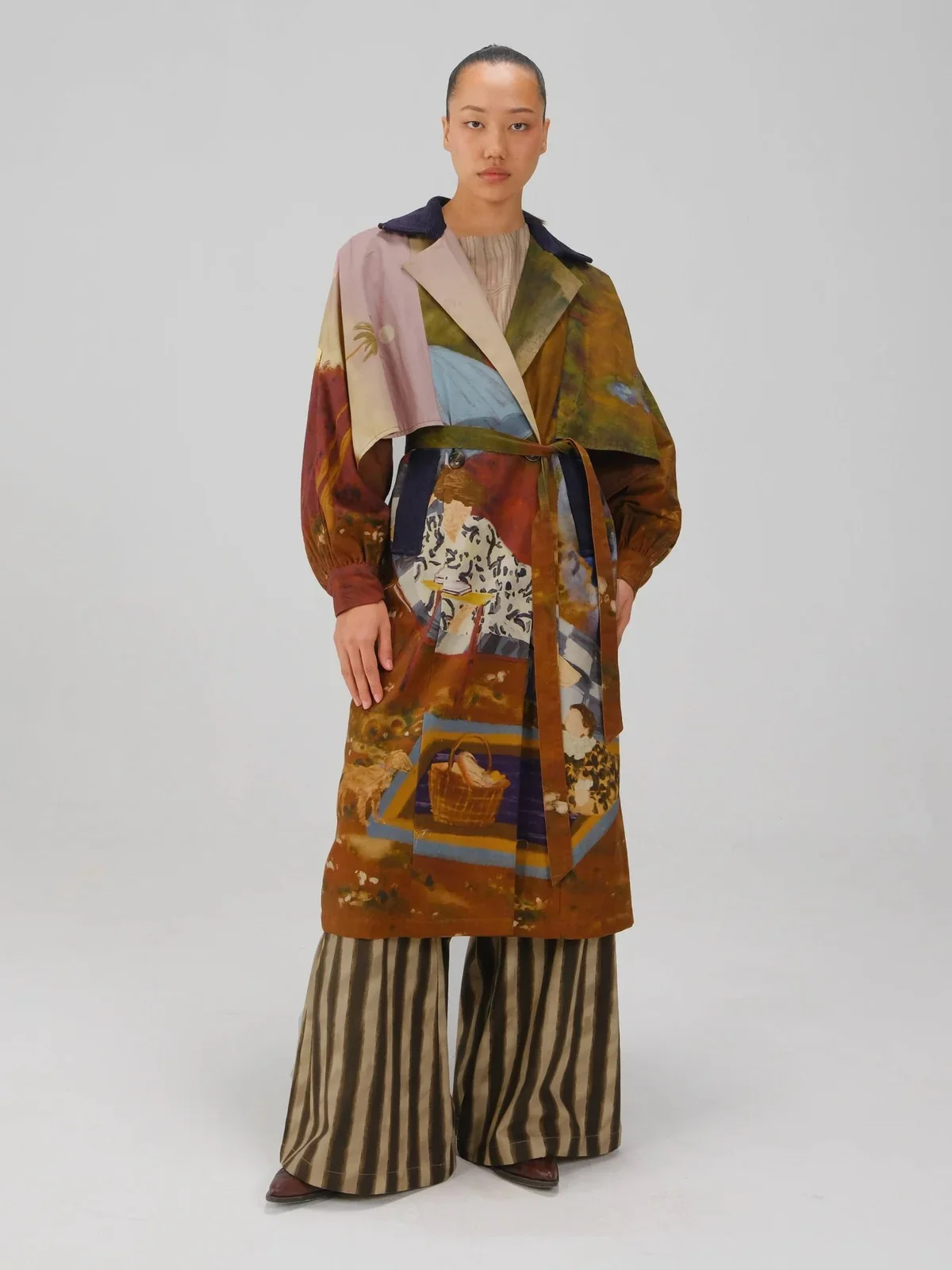
As temperatures drop, it's time to shift toward heavier fabrics like ribbed knit, ponte, and brushed cotton. Deep, rich colors — rust, olive, burgundy, and chocolate brown — dominate the fall palette. A knit set paired with ankle boots and a structured jacket creates a polished autumn look, while animal prints and plaid patterns add seasonal flair. Fall is also an excellent time to layer a fitted turtleneck under a sleeveless set top for extra warmth without losing the coordinated silhouette.
Winter: Warmth Without Sacrificing Style
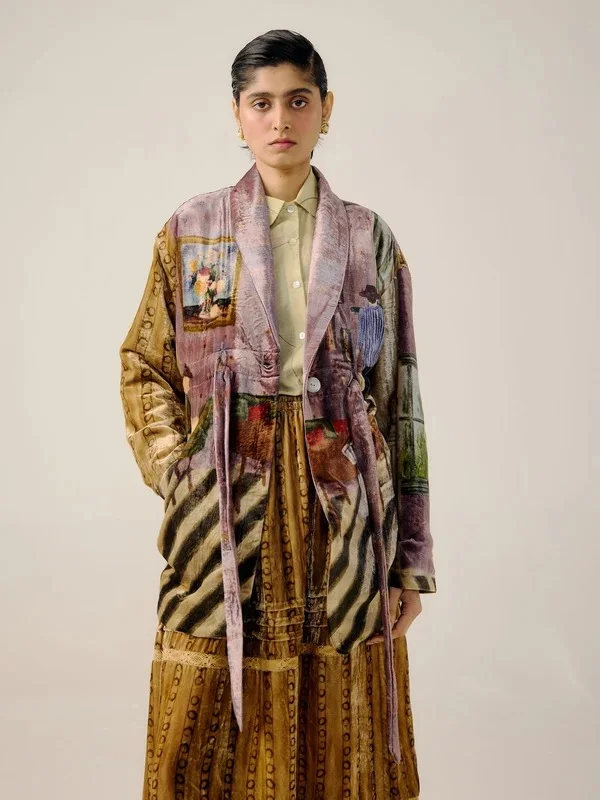
Winter sets should prioritize insulation while still looking intentional. Cable-knit, fleece-lined, and wool-blend sets are ideal for staying warm without piling on bulky layers. Pair with knee-high boots, a long wool coat, and a scarf for an outfit that's both practical and stylish. Velvet and jacquard sets also make an appearance in winter, particularly for holiday parties and festive occasions, offering a bit of shine and texture during the coldest months.
Transitional Dressing Between Seasons
The trickiest part of dressing seasonally is navigating the transition periods — early spring, late summer, early fall. The solution is layering. A lightweight set can be layered with a cardigan or denim jacket for cooler days and worn alone once it warms up. Similarly, a slightly heavier knit set can be worn with sandals in early fall before switching to boots as temperatures drop further.
Building a Year-Round Set Wardrobe
To dress well in every season without overbuying, aim for at least two to three sets per season category: one lightweight linen or cotton set for spring/summer, one knit or ponte set for fall/winter, and a couple of transitional pieces that work across two seasons. This approach ensures you're never caught without an appropriate outfit, regardless of the weather.
Prints That Work Across Seasons
While some prints are season-specific — florals for spring, tropical motifs for summer — others transcend seasonal boundaries entirely. Classic stripes, polka dots, and subtle geometric patterns work just as well in January as they do in July. If you're drawn to prints and want maximum versatility, exploring a co-ord sets collection gives you access to patterns that can be styled differently depending on the season, simply by adjusting your layering and footwear.
Accessorizing by Season
Accessories play a huge role in adapting a set for seasonal wear. In spring and summer, lean into straw bags, delicate jewelry, and open-toe shoes. In fall and winter, swap to structured leather bags, statement boots, and layered necklaces or scarves. These small adjustments can make the same base set feel completely different depending on the time of year.
Final Thoughts
Matching sets aren't just a seasonal trend — they're a year-round wardrobe solution when you know how to adapt fabric, color, and layering to the weather. By building a small rotation of seasonally appropriate sets and mastering a few key styling tricks, you'll always have the right outfit ready, no matter what the forecast looks like.