Sign up with Google
 Sign in with Zoho
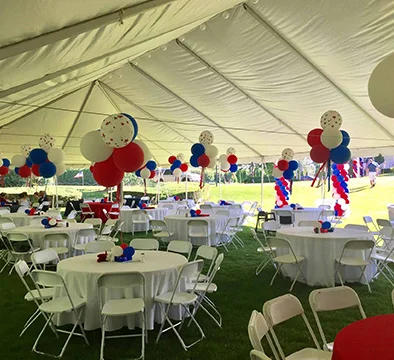
Outdoor events on Long Island have a certain magic to them. There's something about being outside — surrounded by open sky, fresh air, and whatever natural setting you've chosen — that no indoor venue can quite replicate. But pulling off a successful outdoor event takes more than a good location and a guest list. It takes planning, the right vendors, and most importantly, the right structure overhead.
For most people, navigating tent rental packages on Long Island for the first time feels overwhelming. What's actually included? What do you need to add on? Why do prices vary so much between companies? These are fair questions, and the answers make a significant difference in how smoothly your event comes together. This guide breaks it all down so you can make confident decisions from the start.
What Tent Rental Packages Typically Include
When you start reaching out to rental companies, you'll quickly notice that packages aren't always apples-to-apples. Some companies bundle everything together under a flat rate. Others quote the tent itself and then layer on add-ons separately. Neither approach is inherently better — what matters is understanding exactly what you're getting before you sign anything.
At the base level, most standard packages include the tent structure itself, delivery to your venue, professional installation, and breakdown and removal after the event. That covers the essentials. From there, what gets bundled in varies considerably.
Mid-tier packages often include sidewall panels, basic lighting (typically string lights or perimeter lighting), and sometimes staking or ballasting depending on the surface type. These additions matter more than people realize. Sidewalls, for instance, transform an open-air tent into a fully enclosed space — useful for wind, light rain, and creating a more intimate atmosphere after dark.
Premium packages tend to fold in flooring, upgraded lighting like chandeliers or bistro-style fixtures, climate control equipment, and in some cases décor elements like draping or linen. These are the packages that take your tent from "covered outdoor space" to "event venue."
The key is to ask each company for a line-item breakdown rather than accepting a single lump-sum quote. That way you know exactly what you're comparing when you shop around.
How to Match a Package to Your Event Type
Not every event needs the same setup, and over-renting is just as much a mistake as under-renting. A casual backyard graduation party doesn't need the same package as a 180-person wedding reception. Matching your package to your actual needs keeps costs in check and avoids paying for things that won't add value to your specific event.
For smaller gatherings — birthday parties, baby showers, backyard barbecues — a basic frame tent package with optional sidewalls usually covers everything you need. These setups are clean, easy to work around, and don't require a massive footprint.
For weddings and corporate events, a more comprehensive package makes sense. You're hosting guests who expect a polished experience, and details like flooring, quality lighting, and climate control directly affect how the event feels. Cutting corners on a 150-person wedding reception to save a few hundred dollars rarely ends well.
Community events, fundraisers, and vendor markets often benefit from multi-tent setups — a main gathering tent combined with smaller canopy sections for vendors or activity stations. Many Long Island rental companies can accommodate these configurations and offer bundled pricing for multiple structures booked together.
When you describe your event to a rental company, be specific. Guest count, event type, venue surface, time of day, and time of year all affect what they'll recommend — and getting the right recommendation upfront means fewer surprises on the day of your event.
Why Heated Tents on Long Island Are Worth Every Penny
Here's where a lot of event planners leave money — and guest comfort — on the table. Long Island's shoulder seasons are genuinely beautiful for outdoor events. Late September, October, November, and even early spring offer some of the most scenic backdrops you'll find anywhere in the Northeast. The problem is the temperature. Once the sun goes down, evenings can drop fast, and a tent without climate control becomes uncomfortable quickly.
That's exactly why heated tents on Long Island have become one of the most requested add-ons in the local events market — and for many fall and winter events, they're not really optional anymore.
Modern tent heating has come a long way. The forced-air propane heaters that used to roar loudly in the corners of event tents have largely been replaced by quieter, more efficient systems that can maintain a comfortable temperature even when outdoor conditions are cold. Properly sized and positioned heating units can keep a fully enclosed tent warm enough that guests genuinely forget they're not inside a traditional venue.
The practical benefits go beyond guest comfort. Heated tents dramatically expand your usable event season. Instead of being limited to June through August — the most expensive and most competitive booking window on Long Island — you can realistically plan events from April through November. That flexibility opens up more venue availability, better photographer lighting in the golden-hour fall months, and often more competitive pricing from vendors who aren't at peak-season rates.
For weddings specifically, a heated tent in October or November on the North Fork or along the South Shore is genuinely spectacular. The foliage, the light, the less-crowded venues — it's a combination that's hard to beat, and a quality heated tent package makes it fully viable.
What to Ask About Heating When Booking a Package
Not all heating setups are equal, so it's worth asking specific questions when you're evaluating packages that include climate control.
First, ask about heating capacity relative to your tent size. A unit that's underpowered for a 40x80 tent is going to leave guests chilly regardless of how long it runs. Companies with experience in cold-weather events will size the equipment correctly without you having to push for it — but it's still worth confirming.
Ask about fuel type and whether fuel costs are included in the package or billed separately. Propane consumption adds up over the course of a multi-hour event, and that cost can be meaningful if it's not factored into your original quote.
Ask about noise level. Heating units vary significantly in how much ambient noise they produce, and for weddings or intimate dinners where conversation and live music matter, a loud blower running in the background is a real problem.
Finally, ask whether the company has backup equipment on standby. Equipment failures on event days, while rare, do happen. A company that operates professionally will have contingency plans in place.
Locking In the Right Package for Your Timeline
Long Island's event calendar fills up faster than most people anticipate. Fall in particular has become an extremely popular season for outdoor events precisely because of how beautiful the Island looks in September and October. If you're planning a heated tent event in that window, six months of lead time is a reasonable minimum for popular dates.
Spring events — May graduations, June weddings — also book early. For any event where date flexibility is limited, reach out to rental companies as soon as your date is confirmed rather than waiting until the planning process feels more settled.
When you do reach out, come prepared with your date, approximate guest count, venue address, and a general sense of what kind of event you're hosting. That gives the rental company everything they need to put together an accurate package quote on the first conversation, which saves everyone time and gets you to a decision faster.
Long Island is one of the best places on the East Coast to host an outdoor event. With the right tent rental package — and the right heating setup for the season — there's no reason to let weather or temperature be a reason to take your event indoors.