Sign up with Google
 Sign in with Zoho

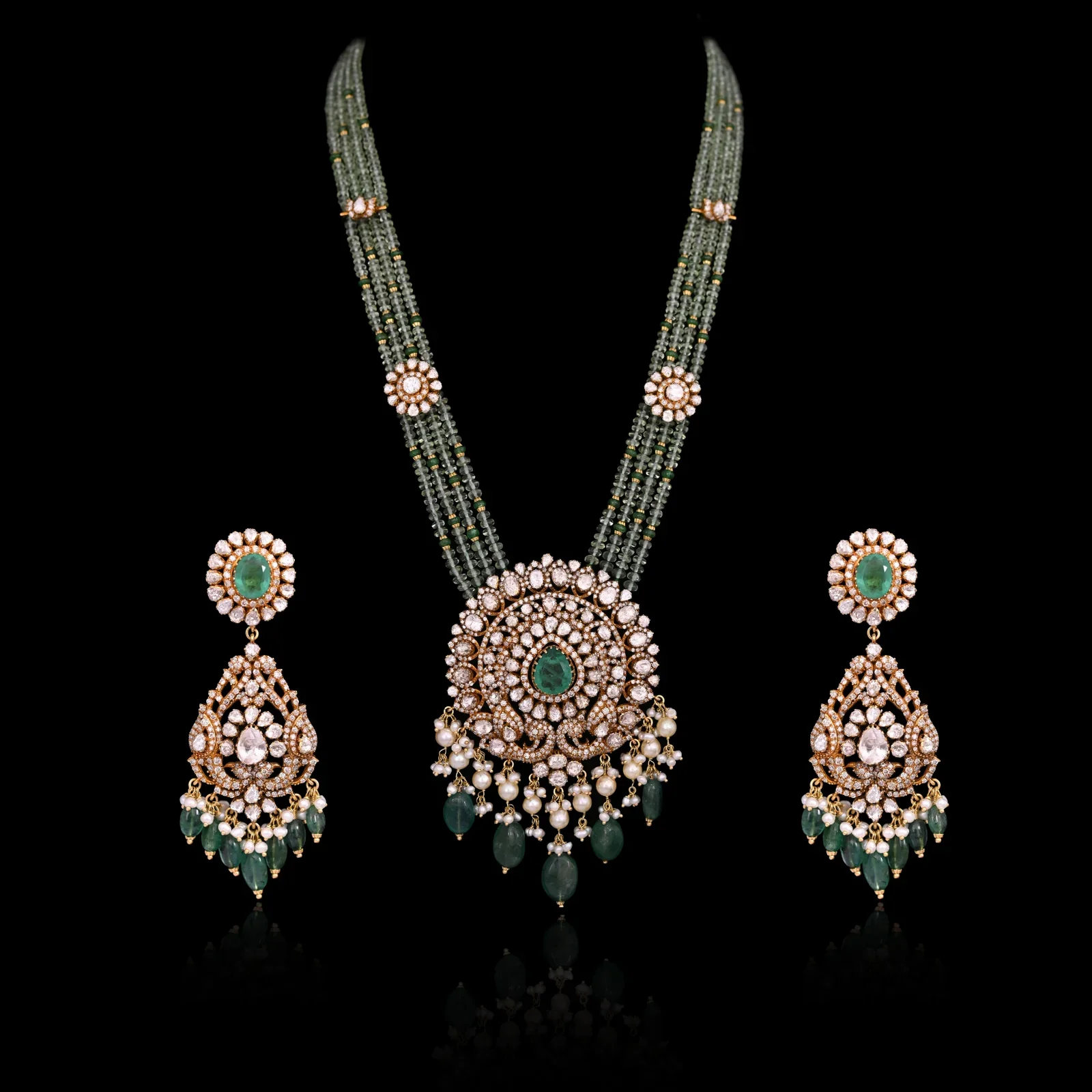
India's rich cultural heritage is beautifully reflected in its traditional jewelry. For centuries, jewelry has been more than just an accessory - it has symbolized status, spirituality, prosperity, and artistic excellence. From royal dynasties to modern celebrations, traditional Indian jewelry continues to hold a special place in the hearts of people across generations. Each region of India has developed its own distinctive styles, techniques, and designs that showcase the country's diverse traditions and craftsmanship.
The legacy of Indian jewelry is deeply connected to the skills of artisans who have preserved ancient techniques through generations. Today, a trusted jewellery manufacturer in jaipur plays a vital role in carrying forward this heritage by creating exquisite pieces that blend traditional artistry with contemporary preferences. Jaipur, often referred to as the jewelry capital of India, is renowned for its gemstone cutting, intricate craftsmanship, and timeless jewelry designs that are admired worldwide.
The Historical Significance of Indian Jewelry
Jewelry has been an integral part of Indian culture since ancient times. Historical texts, sculptures, and paintings reveal the importance of ornaments in everyday life and religious ceremonies. Kings and queens adorned themselves with elaborate jewelry to display wealth and power, while common people wore ornaments that reflected their cultural identity and social status.
In many Indian traditions, jewelry is considered auspicious and is often gifted during weddings, festivals, and important life events. Gold, silver, diamonds, pearls, and precious gemstones have long been associated with prosperity and good fortune. As a result, jewelry remains one of the most treasured possessions in Indian households.
Kundan and Polki: Symbols of Royal Elegance
Kundan Polki Jewellery is one of the most celebrated styles of traditional Indian jewellery. The beautiful pieces, known for their intricate craftsmanship and regal appeal, were from the royal courts of Rajasthan and the Mughal era. Kundan jewellery involves setting of finely polished gems into a framework of gold. Polki is a type of natural diamond that is made from uncut diamonds that retain their natural brilliance.
Kundan and Polki designs are a favorite among brides across India for weddings for their timeless beauty and royal charm. These pieces are often elaborate necklaces, earrings, bangles, maang tikkas and bridal sets that complement traditional attire well. It is this ability to mix luxury and heritage that makes them a choice of preference for big celebrations and special occasions.
Temple Jewelry and Its Spiritual Connection
Temple jewelry is another iconic form of traditional Indian ornamentation that holds immense cultural and religious significance. Originally crafted to adorn deities in South Indian temples, these designs feature intricate motifs inspired by gods, goddesses, flowers, and sacred symbols. Over time, temple jewelry became popular among classical dancers, brides, and jewelry enthusiasts.
A beautifully crafted Temple Jewellery Mangalsutra combines spiritual symbolism with the sacred bond of marriage. Featuring traditional temple-inspired elements, these mangalsutras represent devotion, protection, and prosperity. They offer a unique blend of cultural heritage and elegance, making them a meaningful choice for modern women who appreciate traditional craftsmanship.
Traditional Jewelry Across Different Regions
India's cultural diversity has given rise to a wide variety of regional jewelry styles. In Rajasthan, colorful gemstone jewelry and meenakari work are highly admired. Gujarat is known for silver tribal ornaments, while Maharashtra is famous for the traditional thushi necklace and nath. South India is celebrated for its elaborate gold jewelry featuring temple motifs, and Bengal is recognized for its intricate filigree craftsmanship.
Each regional style reflects local traditions, customs, and artistic influences. These unique designs not only enhance personal style but also help preserve centuries-old cultural practices.
The Role of Jewelry in Indian Weddings
Indian weddings are incomplete without traditional jewelry. Every ornament worn by the bride carries symbolic significance and represents blessings for a prosperous married life. Necklaces, bangles, earrings, nose rings, anklets, and mangalsutras all play important roles in wedding ceremonies.
Beyond their aesthetic value, these ornaments often become cherished family heirlooms passed down from one generation to another. This emotional and cultural connection makes traditional jewelry an enduring part of Indian wedding traditions.
Why Traditional Jewelry Remains Popular Today
Despite changing fashion trends, traditional Indian jewelry continues to enjoy immense popularity. Modern designers are successfully blending classic craftsmanship with contemporary aesthetics, creating versatile pieces suitable for both festive occasions and everyday wear.
Consumers today appreciate jewelry that tells a story and reflects cultural heritage. Traditional designs offer a sense of authenticity and timeless elegance that transcends fleeting fashion trends. Whether worn during weddings, festivals, religious ceremonies, or family gatherings, these pieces continue to celebrate India's artistic legacy.
Conclusion
Traditional Indian jewelry is much more than an adornment - it is a symbol of culture, history, spirituality, and craftsmanship. From the regal beauty of Kundan and Polki creations to the sacred significance of temple-inspired designs, every piece carries a story that connects generations. As artisans continue to preserve these timeless traditions, traditional jewelry remains a cherished expression of India's rich heritage and enduring elegance.

 (1).webp)