Sign up with Google
 Sign in with Zoho

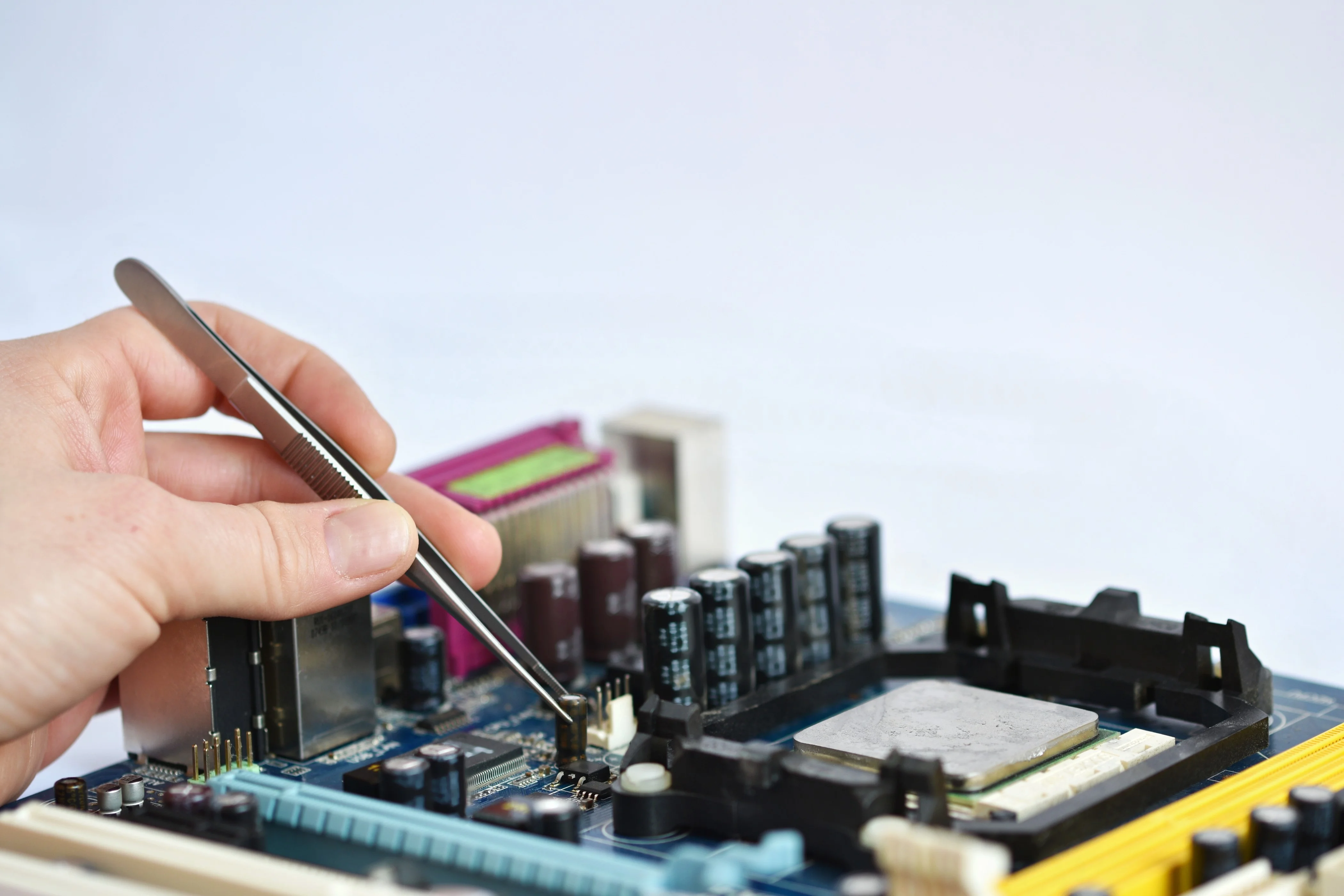
Electronic products must perform reliably under different operating conditions, from consumer devices to industrial equipment. Achieving this reliability requires careful hardware design, printed circuit board (PCB) layout, and integrated circuit (IC) packaging.
These engineering disciplines work together to support stable power delivery, signal quality, thermal management, and physical protection. Addressing potential problems early helps reduce hardware failures, improve manufacturing consistency, and extend product life.
Understanding Hardware Design, PCB Layout, and IC Packaging
Each discipline contributes to electronic product reliability.
- Hardware design: Defines the electronic architecture, components, interfaces, and circuit behavior.
- PCB layout: Determines component placement and electrical connections on the circuit board.
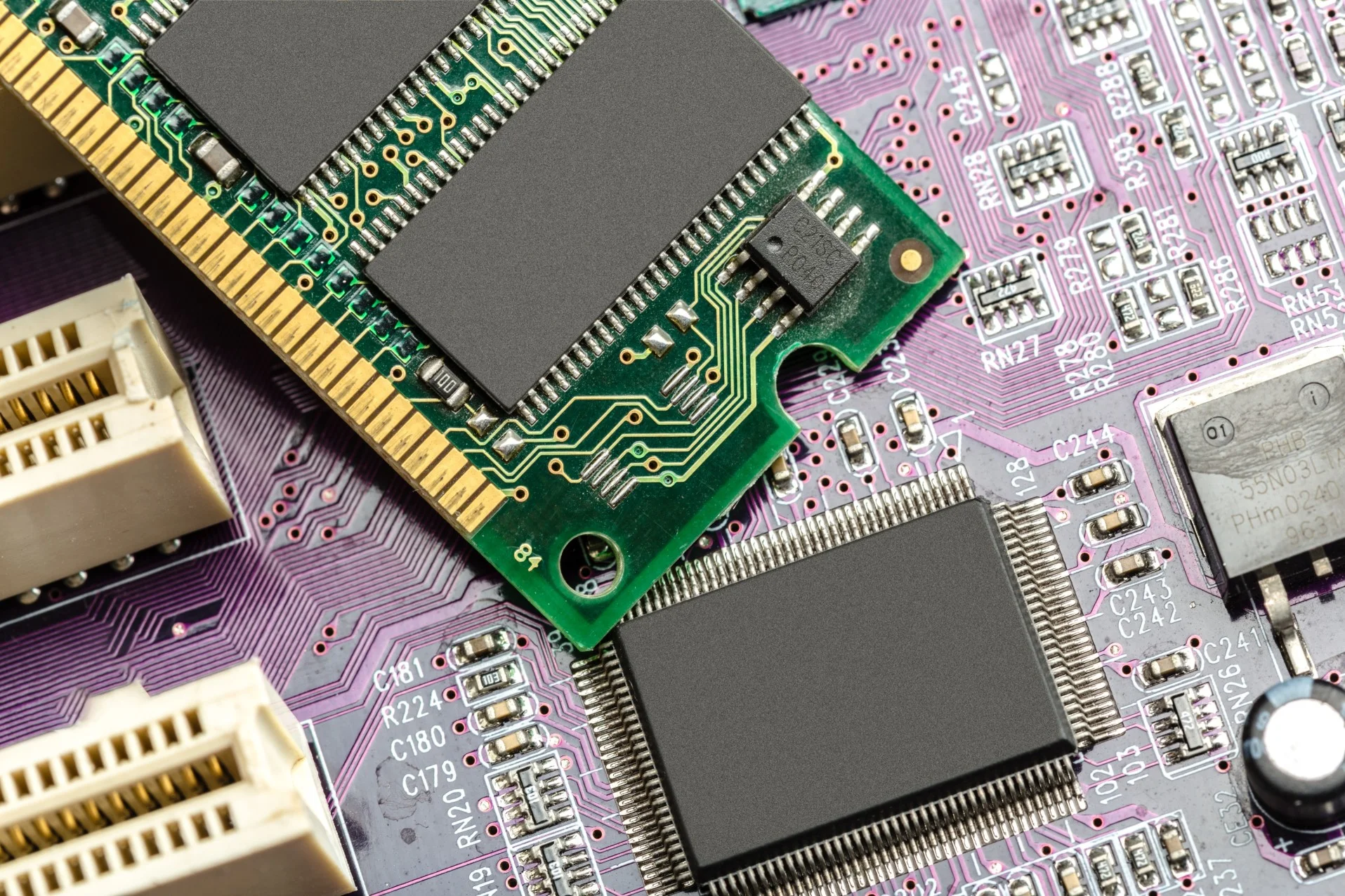
- IC packaging: Protects semiconductor chips while providing electrical connections, mechanical support, and heat dissipation.
Coordinating these elements helps engineers identify design risks before manufacturing and develop dependable electronic products.
How Hardware Design Improves Product Reliability
1. Selecting Suitable Components
Component selection directly affects product performance and service life. Engineers evaluate voltage, current, temperature limits, tolerances, and expected operating conditions before choosing components.
Selecting parts that meet application requirements helps prevent premature failures. Products designed for industrial or automotive environments may also require components that meet specific industry standards.
2. Managing Power Delivery
Unstable power can cause unexpected resets, performance issues, and component damage. Hardware design must account for power consumption, voltage regulation, current requirements, and electrical protection.
Suitable regulators, filtering circuits, and protection mechanisms help maintain stable operation under changing loads.
3. Controlling Heat
Electronic components generate heat during operation. Excessive temperatures can reduce performance and shorten component life.
Engineers assess heat-generating components, operating conditions, and cooling requirements during development. Effective thermal planning helps reduce stress and supports reliable operation.
The Role of PCB Layout in Reliable Electronics
1. Maintaining Signal Integrity
PCB layout affects how signals travel between components. Poor routing, unsuitable trace lengths, and improper grounding can introduce noise and signal distortion.
Careful component placement, appropriate routing, controlled impedance where required, and well-designed ground planes help maintain signal quality, particularly in high-speed digital and sensitive analog circuits.
2. Improving Power Distribution
A reliable PCB must deliver stable power to connected components. Poor power distribution can cause voltage drops, electrical noise, and localized heating.
Appropriate trace widths, power planes, and strategically placed decoupling capacitors help reduce these problems. Engineers must consider current requirements and board constraints when designing power connections.
3. Reducing Electromagnetic Interference
Electromagnetic interference (EMI) can disrupt electronic circuits and affect compliance with electromagnetic compatibility requirements.
Proper grounding, return-path planning, component separation, and suitable routing techniques help control unwanted interference and improve system stability.
4. Supporting Manufacturing Quality
PCB layout also affects manufacturing and testing. Appropriate component spacing, soldering clearances, and accessible test points make assembly and inspection easier.
Designing for manufacturing and testing helps identify defects early, reduce rework, and improve production consistency.
How IC Packaging Improves Reliability
IC packaging protects semiconductor chips and connects them to the surrounding electronic system.
Thermal Management
Packaging influences how efficiently heat moves away from the semiconductor die. Choosing a suitable package and planning thermal paths helps prevent excessive temperatures.
Electrical Performance
Package connections introduce parasitic resistance, capacitance, and inductance, which can affect signal quality and power delivery. Selecting the right package helps meet electrical and high-frequency performance requirements.
Physical and Environmental Protection
IC packages protect semiconductor structures from physical damage and certain environmental stresses. Package selection should reflect the product's operating conditions, including moisture exposure, vibration, and temperature changes.
Best Practices for Reliable Hardware Development
Engineering teams can improve product reliability by following these practices:
- Define requirements early: Establish electrical, thermal, mechanical, and environmental targets.
- Coordinate design decisions: Align hardware architecture, PCB layout, and IC packaging requirements.
- Perform simulations: Use suitable electrical, thermal, and signal integrity analysis to identify potential issues.
- Test prototypes: Validate performance under expected operating conditions.
- Plan for compliance: Assess applicable safety, EMI, and environmental standards.
- Review manufacturing quality: Inspect assembly, solder joints, and production test results.
Fidus supports this engineering focus on developing and validating electronic hardware with attention to performance, design quality, and reliability.
Conclusion
Hardware design, PCB layout, and IC packaging each contribute to reliable electronic products. Suitable component selection and power management establish a stable foundation, PCB layout supports signal quality and electrical performance, and IC packaging provides essential protection and thermal management.
By coordinating these disciplines from the beginning, engineering teams can identify risks earlier, improve manufacturing consistency, and reduce the likelihood of hardware failures. A structured approach to design, simulation, prototyping, and testing helps deliver dependable electronic products that meet their intended performance and service-life requirements.