Sign up with Google
 Sign in with Zoho

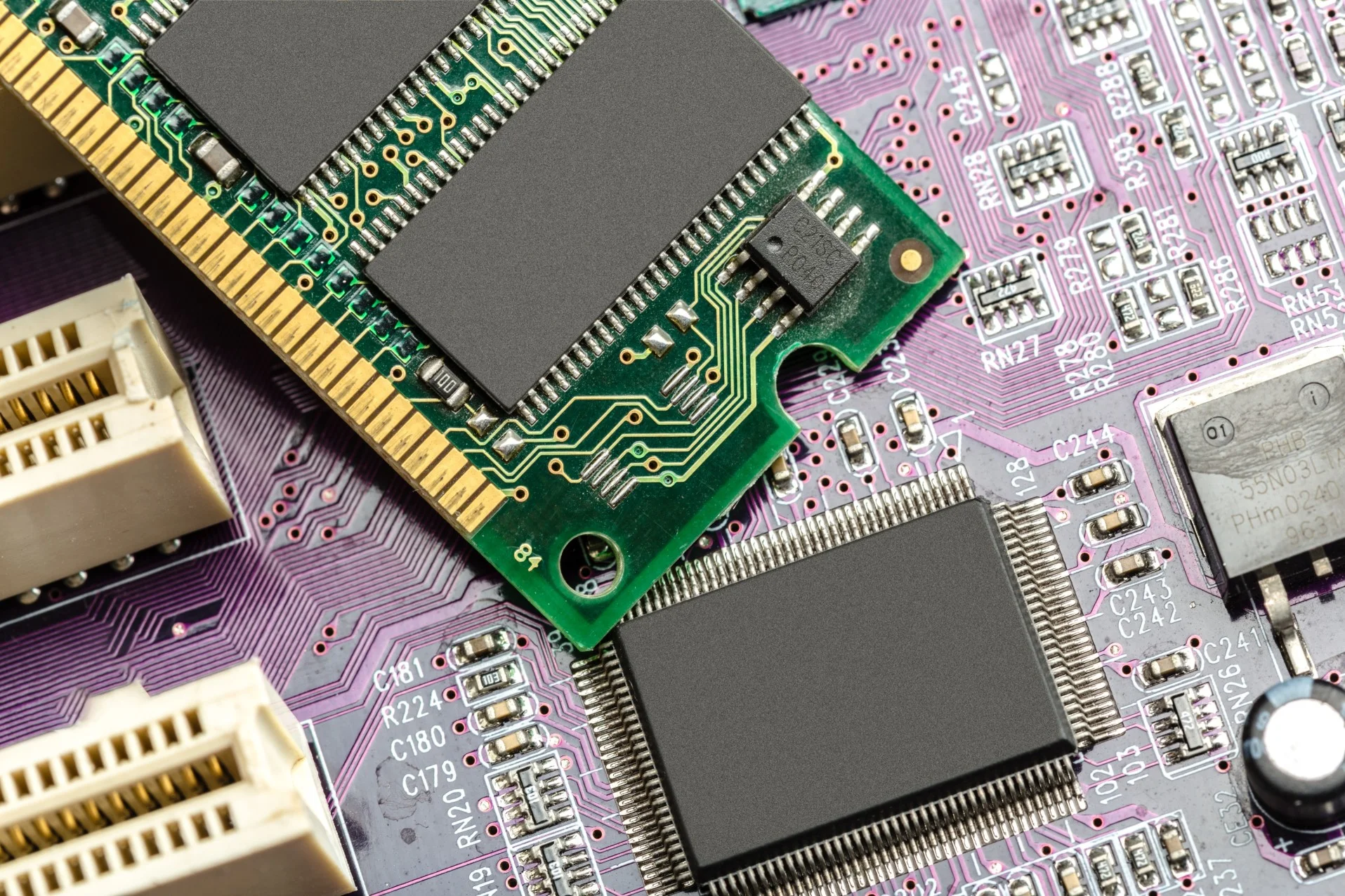
Developing reliable electronic products requires more than selecting quality components. Every stage of the design process, from hardware architecture and PCB layout to IC packaging, directly affects product performance, durability, and manufacturability. Even minor design issues can lead to signal integrity problems, thermal challenges, production delays, or higher manufacturing costs.
A well-planned engineering approach helps businesses create products that meet performance requirements while reducing design risks. Whether you're developing consumer electronics, industrial systems, medical devices, or automotive solutions, optimizing hardware, PCB layout, and IC packaging is essential for delivering dependable products.
What Is Hardware, PCB Layout & IC Packaging?
Hardware design focuses on creating the electronic architecture that powers a product. PCB (Printed Circuit Board) layout involves arranging electronic components and routing connections to achieve optimal electrical performance. IC packaging protects semiconductor devices while providing reliable electrical and mechanical connections between the chip and the PCB.
Together, these engineering disciplines ensure electronic products operate efficiently, remain reliable under varying conditions, and can be manufactured consistently at scale.
Why These Three Elements Matter in Electronic Product Development
Electronic products continue to become smaller, faster, and more complex. As a result, every design decision has a greater impact on overall product quality.
A carefully designed hardware architecture ensures components work together efficiently. A properly optimized PCB layout minimizes signal interference, improves power distribution, and supports thermal management. Meanwhile, selecting the appropriate IC packaging improves device protection, heat dissipation, and long-term reliability.
When these areas are planned together, businesses can reduce product failures, improve manufacturing yields, and accelerate development timelines.
Key Factors That Improve Electronic Product Quality
Creating reliable electronic systems requires careful attention throughout the design process. Engineers should focus on:
- Selecting components that meet electrical, thermal, and environmental requirements.
- Designing PCB layouts that support signal integrity and efficient power delivery.
- Choosing IC packaging solutions that match performance and manufacturing needs.
- Performing design verification and validation before production.
- Planning for manufacturability early in the development cycle.
- Conducting thermal analysis to prevent overheating.
- Following industry design standards and quality guidelines.
These best practices help minimize design errors while improving product reliability throughout its lifecycle.
The Role of PCB Layout in Product Performance
PCB layout plays a critical role in determining how efficiently an electronic product performs. Even with high-quality components, a poor board layout can introduce electrical noise, voltage instability, and excessive heat generation.
A well-designed PCB layout supports shorter signal paths, controlled impedance, optimized grounding, and balanced power distribution. It also improves electromagnetic compatibility (EMC), making products more stable in demanding operating environments.
Proper component placement and routing simplify manufacturing while reducing the likelihood of production defects.
Why IC Packaging Is Important
IC packaging does much more than protect semiconductor chips. It influences thermal performance, electrical connectivity, mechanical strength, and long-term product reliability.
Selecting the right package depends on several factors, including operating environment, power requirements, board space, manufacturing processes, and expected product lifespan. Engineers must also consider heat dissipation and package compatibility during the design stage to avoid costly redesigns later.
As electronic devices continue to shrink, advanced IC packaging technologies play an increasingly important role in achieving high performance within compact form factors.
Integrating Hardware Design, PCB Layout, and IC Packaging
Electronic products achieve the best results when hardware engineers, PCB designers, and packaging specialists collaborate from the beginning of the project.
Instead of treating each discipline independently, an integrated engineering approach allows teams to identify design conflicts early, optimize system performance, and reduce development costs. Collaboration also improves communication between design, manufacturing, and testing teams.
Fidus supports integrated engineering services that combine hardware design, PCB layout, and IC packaging expertise to help organizations develop reliable electronic products with greater efficiency.
Common Challenges in Electronic Product Development
Engineering teams often encounter challenges that affect product quality and manufacturing success, including:
- Signal integrity issues in high-speed circuits.
- Thermal management problems.
- Electromagnetic interference (EMI).
- PCB routing constraints.
- Component placement limitations.
- Manufacturing and assembly challenges.
- Package compatibility issues.
- Design changes during product development.
Addressing these challenges early through simulation, verification, and collaborative engineering reduces project risks and shortens development cycles.
Final Thought
Improving electronic product quality requires a balanced approach that considers hardware design, PCB layout, and IC packaging as interconnected parts of the development process. Careful planning, engineering collaboration, and thorough verification help reduce design risks, improve manufacturability, and enhance long-term reliability. By integrating these disciplines from the early design stages, businesses can develop electronic products that perform consistently and meet evolving market demands.
FAQs
What is the role of PCB layout in electronic product quality?
PCB layout determines how electrical signals travel across the board. A well-designed layout improves signal integrity, power distribution, thermal performance, and overall product reliability.
Why is IC packaging important in electronic design?
IC packaging protects semiconductor devices while improving heat dissipation, electrical connectivity, and mechanical durability. Choosing the right package helps ensure long-term product performance and manufacturing efficiency.
How do hardware, PCB layout, and IC packaging work together?
These three disciplines work together to create reliable electronic systems. Hardware design defines the system architecture, PCB layout optimizes electrical performance, and IC packaging enhances device protection and thermal management.