Sign up with Google
 Sign in with Zoho

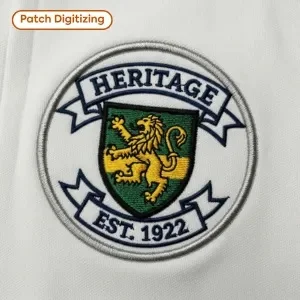
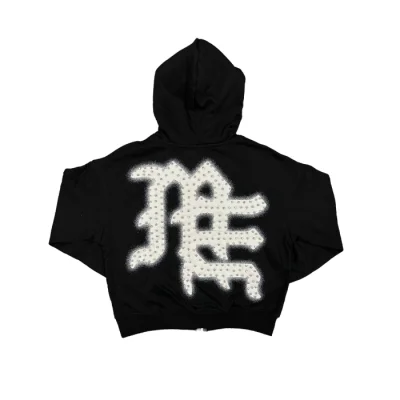
Custom embroidered patches are widely used by businesses, sports teams, schools, clubs, organizations, fashion designers, and individuals. They display logos, names, symbols, artwork, and creative elements on jackets, uniforms, bags, caps, and accessories. However, crafting a quality embroidered patch demands more than simply uploading an image to an embroidery machine. The artwork must first be translated into a suitable embroidery file through professional digitizing.
Online patch digitizing in USA offers a convenient way to prepare artwork for embroidery production. Customers can submit designs digitally, communicate specific requirements, review the results, and receive a file ready for stitching.
What Is Patch Digitizing?
Patch digitizing converts artwork into a digital embroidery file that an embroidery machine can read. During this process, a digitizer determines how the design should be stitched to achieve an accurate and clean result.
Key technical elements involved include:
- Stitch types and directions to create texture and flow.
- Stitch density to ensure proper coverage without bulk.
- Underlay settings to stabilize the fabric and prevent shifting.
- Thread colors and borders to match the original design.
Professional digitizers also weigh the size and complexity of the artwork. Small lettering, thin lines, and intricate details often require adjustments because physical embroidery has inherent limitations that digital images do not share.
Why Professional Digitizing Matters
A digital image might look flawless on a computer screen yet produce poor results when translated directly into thread. Because embroidery relies on physical materials, threads, needles, and fabric, artwork must be tailored specifically for this production method.
Proper digitizing helps minimize common production issues, such as:
- Uneven stitching and gaps
- Excessive thread buildup
- Distorted shapes
- Unclear details
A carefully prepared file allows the embroidery machine to follow the intended design accurately, ensuring the patch maintains its appearance after regular use.
Applications and Users
Patch digitizing serves a wide range of needs across different sectors:
How to Choose a Digitizing Service
When selecting an online service, look beyond the advertised price. Key factors to evaluate include:
- Experience and Portfolio: Reviewing past work reveals a service's grasp of stitch quality, detail management, and lettering.
- Turnaround Time: Understand how quickly your files can be delivered.
- File Compatibility: Confirm which embroidery file formats are supported, as different machines require specific formats (e.g., DST, PES, EXP).
- Communication and Revisions: Check the provider's policy on adjustments and clarity in addressing project requirements.
Tips for Preparing Your Artwork
- Provide High-Quality Files: Submit the highest resolution version available.
- Clarify Text and Details: Specify exact wording, preferred lettering styles, and intended dimensions.
- Share End-Use Context: Let the digitizer know where the patch will be placed (such as a structured cap versus a heavy jacket), as placement influences stitch planning.
Frequently Asked Questions
- What is online patch digitizing? It is the process of converting artwork into stitch instructions that an embroidery machine can execute.
- How long does it take? Turnaround depends on design complexity, size, and the provider's current workload.
- Can any image be converted? Most artwork works well, though very small details or thin lines may need slight adjustments for clarity.
- Which file format should I request? Always check your specific embroidery machine's manual or requirements before ordering.
.webp)