Sign up with Google
 Sign in with Zoho

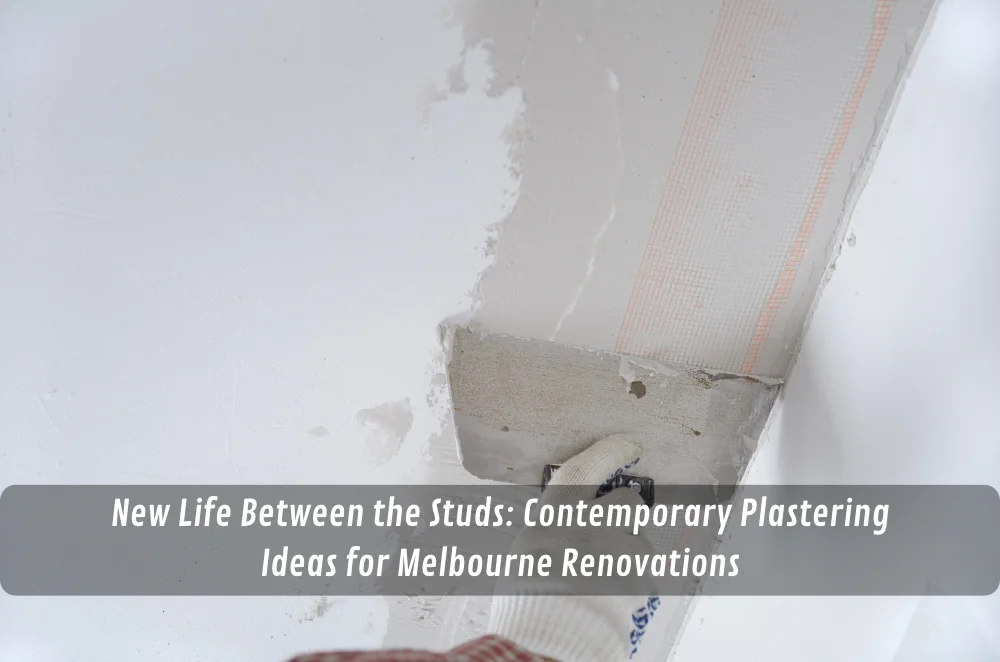
Melbourne’s housing stock is a mix of Victorian terraces, mid-century brick veneers and sleek new apartments. Despite the variety, all share one thing: walls that need a flawless finish before paint or décor touches the surface. Plaster may hide behind colour and art, yet it is the quiet hero that dictates whether a room feels polished or patchy.
Homeowners often focus on splash-back tiles or tapware first, then realise uneven walls spoil the whole effect. By that stage materials are ordered, timelines are tight and the budget is wobbling. Getting the substrate right early avoids the scramble—and sets up the rest of the project to succeed.
Why Plaster Still Matters in 2026 Homes
Good plastering is more than a flat surface; it also insulates, dampens sound and protects against daily knocks. In older Melbourne weatherboard houses, breathable lime plasters even help manage indoor humidity—handy during sticky January heatwaves.
The craft has evolved, but technique still trumps tools. Skim coats demand a consistent hand pressure, joint setting relies on timing, and ornamental cornices involve fine detail work. That’s why many renovators eventually ask specialists in smooth wall finishes to step in once they see how much time and practice are required.
Beyond practicality, plaster determines how light bounces around a room. Ultra-flat finishes lift natural brightness in narrow terrace corridors, while subtly textured Venetian plaster adds depth to minimalist living areas without introducing extra colours.
Picking the Right Finish for Your Space
Choices have broadened well past “standard set, sand and paint”. Melbourne designers are experimenting with blends that once belonged in European villas or art galleries.
- Venetian lime plaster creates a soft sheen that changes through the day. It pairs beautifully with long, north-facing windows common in inner-city conversions.
- Polished Moroccan tadelakt brings a seamless, waterproof surface into bathrooms. When sealed correctly, it resists mould better than grout-heavy tiles.
- Acoustic plaster integrates mineral fibres for sound absorption, useful in townhouse studies where working from home remains popular post-pandemic.
Colour also enters the equation. Pigmented plaster saves a paint coat and withstands scuffs in hallways. Earthy ochres and muted greens echo the bush tones Melburnians favour, softening stark concrete floors.
If you are mapping out a multi-room makeover, compare drying times. Lime-based products cure slowly; gypsum sets fast but can crack if the substrate moves. This scheduling detail stops tradies tripping over each other and cuts wasted labour.
An in-depth guide on pairing paint sheens with each plaster type sits on Mi Painting’s knowledge hub—check a blog explainer on finish compatibility for a step-by-step surface prep rundown.
Smart Prep and Application Tips for Consistent Results
Even premium compounds fall short if the groundwork is rushed. Before a trowel touches the wall:
- Confirm framing moisture is below manufacturer limits; green or bowed studs telegraph through every coat.
- Fix insulation batts firmly so they don’t slump and create hollow spots that drum when tapped.
- Use fibreglass tape on joints, not paper, in bathrooms where heat cycles are extreme.
During application, work in sections sized to your reach, feathering edges to avoid tiger stripes once the plaster flashes off. Keep blades spotless; rogue grit scratches the surface and becomes painfully obvious under downlights.
Allow adequate ventilation without blasting heaters at wet walls—rapid drying curls corners and increases shrinkage cracks. Overnight RH around 50-60 percent is usually kind to most mixes.
When sanding, start with 180-grit on a pole for broad areas, then shift to a 220-grit block. Over-zealous machine sanding can dish the board and undo hours of care.
Knowing When a Pro Earns Their Keep
DIY plastering carries a steep learning curve. Miss the working time by ten minutes and the batch hits the bin. Repairing a waved finish means re-skimming from corner to corner, not just patching the dip. Pros quote labour high for a reason: repetition hones muscle memory that amateurs rarely match.
Insurance also plays a role. Some heritage interiors require lime render to maintain building-permit compliance. Licensed trades issue certificates that councils may request before signing off renovations. The Victorian Building Authority outlines these obligations in its guide to wall and ceiling construction on its consumer site.
Budget pressure tempts owners to skim a single coat themselves, especially in seldom-used spare rooms. That can work if you accept faint ripples once sunlight angles across the wall. For showcase spaces—entry halls, kitchen bulkheads, bathroom niches—professional hands usually repay the outlay in reduced rework and resale value.
Building Character That Lasts
Plastering sits at the unglamorous end of renovation, yet it anchors every aesthetic decision that follows. Whether your style leans industrial with exposed beams or classic with ornate ceiling roses, start by choosing a substrate and finish that complement the space. Patience during prep, plus honest assessment of your own skill, prevents headaches later.
Melbourne’s fickle weather and diverse housing stock make blanket advice impossible, but one principle stands: walls only look effortless when plenty of effort has gone in beforehand. Invest that effort—or call someone who already has.
FAQs
Does lime plaster suit modern insulation standards?
Yes, modern lime blends incorporate pozzolans that improve thermal performance while keeping the surface breathable.
How long should I wait before painting freshly set plaster?
A standard gypsum set can accept primer after 48 hours in normal conditions. Lime-based products need up to two weeks; always follow the manufacturer’s data sheet.
Can textured Venetian plaster be repaired if chipped?
Minor chips can be filled and re-burnished, but perfect colour matching may require re-working the whole panel to maintain consistency.
Are plasterboard offcuts recyclable in Melbourne?
Some transfer stations accept clean gypsum board for recycling; check local council facilities before dumping mixed waste.