Sign up with Google
 Sign in with Zoho

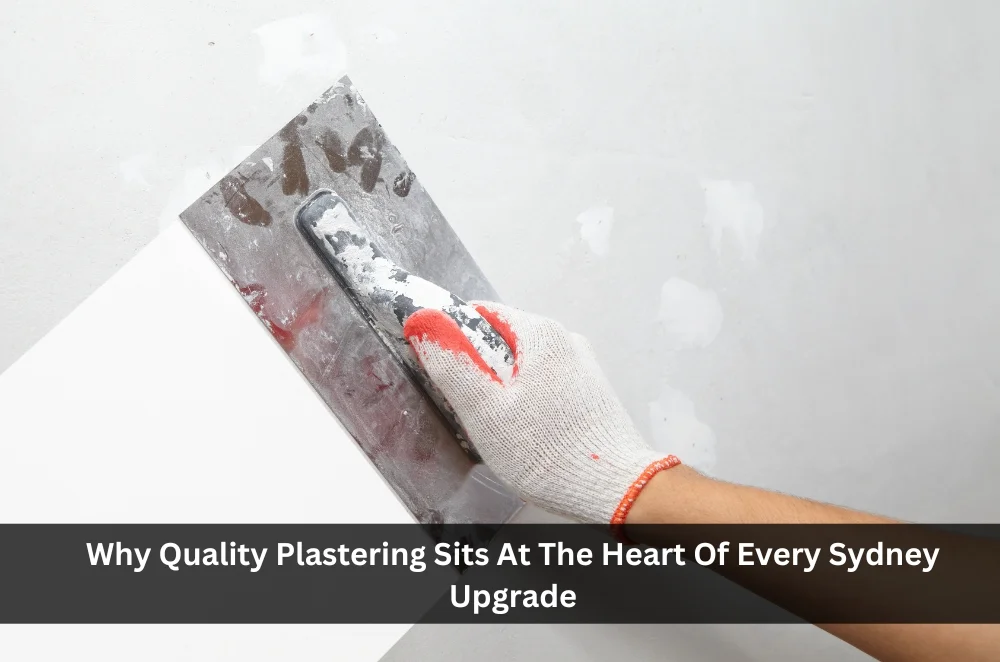
Look at any well-kept Federation terrace or modern apartment in Sydney and you will notice a common thread: crisp, even interior walls. Behind that finish is plaster that has been mixed, applied and cured with care. Skimp on those steps and the tell-tale signs, hairline cracks, uneven paint, hollow sounds, soon creep in. Homeowners hunting for professional plastering services in Sydney are rarely chasing aesthetic perfection alone; they are chasing a surface that protects their investment from moisture, heat and daily knocks.
Hidden Jobs Good Plaster Handles Without Any Fuss
Plaster sits quietly between structure and style. Its first job is to create a level canvas for paint, wallpaper or tiles, yet the material does far more behind the scenes.
- Thermal buffering helps rooms stay cooler in summer and warmer in winter, trimming power bills that keep edging up across NSW.
- Correctly cured plaster manages indoor humidity, reducing condensation that encourages mould.
- It adds a thin but meaningful acoustic barrier, muting the echo in open-plan living areas.
- Fire-rated compounds give occupants more time to evacuate during a fire event, an upgrade valued by many strata committees.
Cut corners on mix ratios, drying times or substrate preparation and each of those benefits shrinks.
How To Spot Plaster Problems Before They Snowball
Not every blemish is a disaster; period homes shift, newer builds settle. Even so, recurring or expanding defects warn that the plaster layer is failing.
Repeated corner cracks often point to movement or poor joint tape. If you notice them widening each season, the substrate probably needs reinforcement rather than another cosmetic patch.
A dull tap sound across a wall may indicate delamination, air pockets where plaster has pulled away from brick or plasterboard. Moisture ingress is the usual suspect and the fix typically involves cutting out and re-plastering the affected area.
Efflorescence (a salty white bloom) signals rising damp. Painting over it traps moisture, worsening the problem. Proper diagnostics and ventilation upgrades matter more than another coat of 'mould-resistant' paint.
Mid-way through any renovation plan, double-check these issues. The extra hour saved now can stop a messy call-back once furniture is back in place. Mi Painting & Maintenance explains similar red flags in its internal guide on prepping surfaces, see the full breakdown in this project planning article for scheduling tips.
Maintenance Habits That Stretch The Life Of Your Walls
Sydney's temperate coastal climate puts gypsum through heat-cool cycles most months. Simple habits slow that wear.
- Maintain consistent indoor humidity. Dehumidifiers in winter and cross-ventilation in summer keep expansion and contraction within tolerable limits.
- Fit soft bumpers behind frequently opened doors to stop handle dents. Those tiny circles often spiderweb into larger cracks.
- Leave fresh plaster at least seven days before priming, longer in June–August. Rushing paint traps moisture and thins the bond.
- Use low-toxicity detergents when spot-cleaning. Strong chemicals erode lime content and dull sheen faster than general wear.
Little adjustments like these rarely feature on renovation checklists but make a visible difference two or three years down the track.
When A Sydney Specialist Earns Their Fee
DIY patch kits tempt anyone comfortable with a trowel, yet the leap from small repair to room-wide skim coat is larger than YouTube suggests. Experienced trades bring:
- Moisture meters to confirm substrates are dry enough for bond coats.
- Levelling lights that reveal dips which standard site lighting hides.
- Access to trade-grade basecoats that dry harder than retail mixes, lowering the risk of shrinkage.
More importantly, seasoned plasterers coordinate with painters, electricians and tilers so each trade inherits a ready surface. Good sequencing saves everyone a return visit, something body corporates appreciate when common areas cannot stay blocked off indefinitely.
SafeWork NSW also mandates dust management when sanding large gypsum areas. Licensed teams set up extraction rather than relying on open windows, protecting occupants and complying with government guidelines.
Where This Leaves Property Owners In 2026
Renovation budgets still feel the squeeze of material costs and skilled-trade demand. Even so, skimping on plaster rarely pays off. The layer is thin, but it underpins everything from acoustic comfort to the final paint sheen. Catch small signs early, keep moisture in check and lean on qualified crews when whole rooms need resurfacing. Your walls will thank you, quietly, every time you turn on the lights and notice nothing at all.
FAQs
Does new plaster always need a primer before painting? Almost always. A sealer or primer locks in residual moisture and provides a consistent porosity, helping top-coat colour sit evenly.
Are plasterboard joints weaker than solid-wall plaster? They can be if jointing compounds fail or studs flex excessively. Correct framing spacing and quality tape keep joints stable.
How long should I wait before mounting shelves on a freshly plastered wall? Allow at least a week for drying, then 24 hours after primer and top-coat have cured. Use hollow-wall anchors rated for your load.
Can I repair rising damp issues with waterproof paint alone? Waterproof paint masks the symptom. You still need to eliminate the moisture source, often by improving drainage or installing a damp-proof course.
Final Link Summary
Target page — professional plastering services in Sydney
- Target URL: https://mipainting.com.au/plastering-sydney/
- Placement: First third, contextual in problem intro
- Reason: Provides readers a direct path to relevant service
Internal blog — this project planning article
- Target URL: https://mipainting.com.au/blog/
- Placement: Middle third, maintenance section
- Reason: Adds extra value and keeps users within the site
External authority — government guidelines
- Target URL: https://www.safework.nsw.gov.au/resource-library/
- Placement: Final third, compliance section
- Reason: Backs safety claim with reputable source