Sign up with Google
 Sign in with Zoho

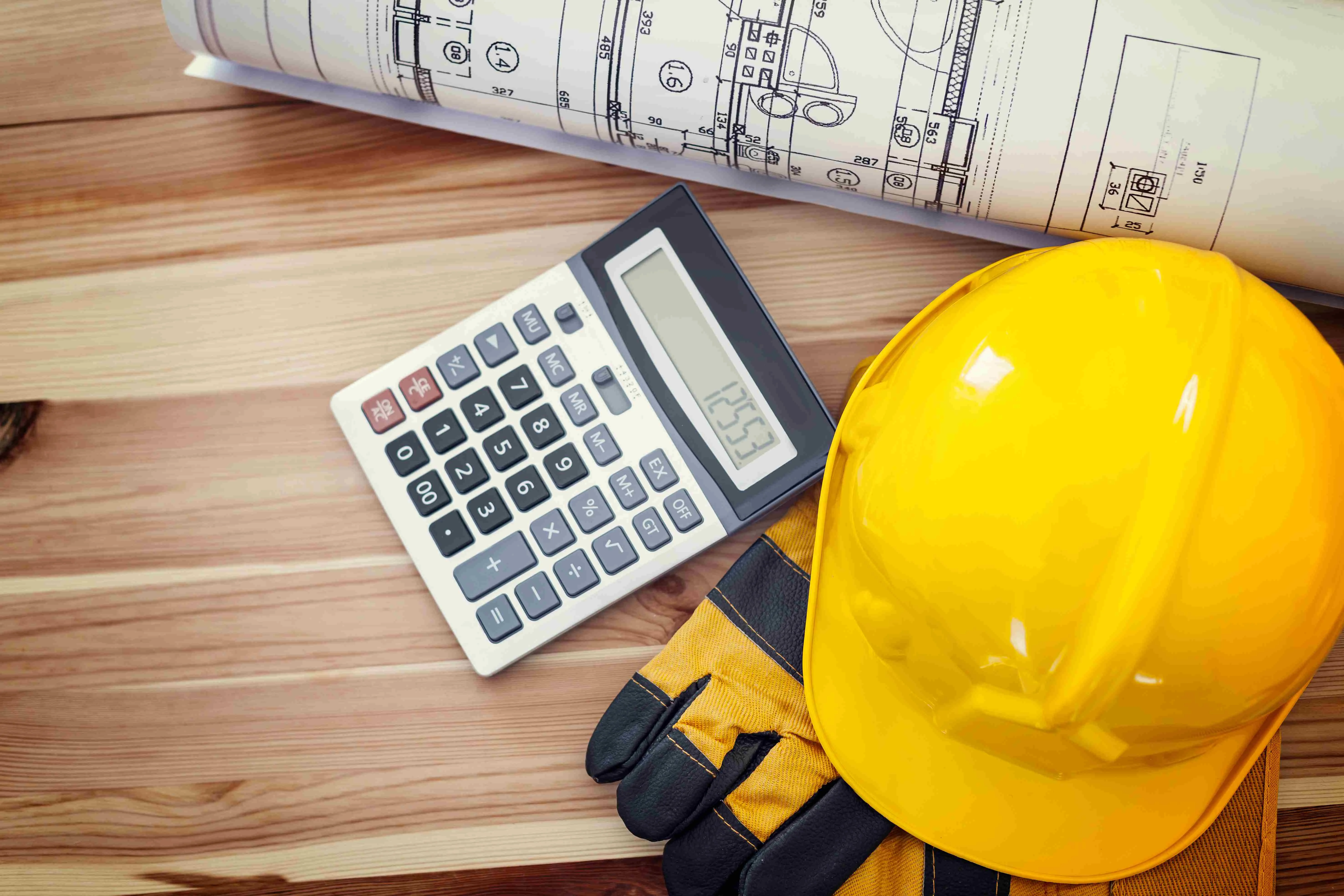
I’ve been around construction sites long enough to know that most of us still run projects on a mix of WhatsApp groups, Excel sheets, and the project manager’s memory. It works… until it doesn’t.
Material goes missing, running account bills get delayed, site engineers keep asking for the same information, and by the time you realise a project is bleeding money, it’s already too late. That’s the reality for a lot of mid-sized contracting firms in India. We take pride in finishing work, in managing labour, in dealing with the unexpected rains or sudden client changes. But the back-office side of things — the tracking, the reconciliation, the constant chasing of numbers — has always been the weak link.
A few years ago I started looking more seriously at software that was built specifically for our kind of work. Not the generic accounting packages that try to force construction into their neat little boxes, and not the heavy enterprise systems that cost a fortune and need a full-time IT team just to keep running. I wanted something that understood BOQs, site-level material issues, subcontractor bills, and the daily chaos of multiple projects happening at the same time.
That’s when I came across a proper Construction ERP. It is designed around the way Indian civil contractors actually work. From the moment you raise an indent for material to the final running account bill and project profitability report, everything sits in one place. You stop relying on someone remembering to update a shared Excel file at 11 at night.
Let me be honest. The first few weeks are not magic. People on site still resist entering data. The storekeeper grumbles that the old register was faster. The project manager says he doesn’t have time to update progress every evening. These are real objections, and they come up in almost every company that tries to move from paper and spreadsheets to a proper system. But once the team starts seeing the benefits, the resistance slowly drops.
One of the biggest changes is material control. In most contracting firms, material is still managed through a combination of gate passes, handwritten registers, and WhatsApp photos of delivery challans. By the time you reconcile what was ordered, what was received, what was issued to the site, and what is still lying in the store, the project has already moved on. Wastage is discovered late, if it is discovered at all. With a Construction ERP that is built for this industry, every bag of cement, every tonne of steel, every length of pipe is tracked from the moment it enters the store. You can see exactly how much was issued to a particular work front and compare it against the theoretical consumption from the BOQ. The difference shows up early, not after the final bill is submitted.
Billing is another area where the difference becomes obvious. Running account bills are the lifeblood of any contracting business. Delays in preparing them mean delays in payment, which means cash flow pressure. When all the measurement data, previous bill details, and approved rates sit in one system, preparing an RA bill stops being a three-day exercise that involves the site engineer, the QS, and the accounts team arguing over numbers. It becomes a much cleaner process. You still need proper site measurements, of course, but the system handles the calculations and the history.
Multi-site coordination is where many of us really feel the pain. When you have three or four projects running at the same time in different cities, the head office often has no real-time picture of what is happening. One site is short of shuttering material while another has surplus. Labour is sitting idle at one location while another is desperately looking for skilled carpenters. A good Construction ERP gives you a dashboard where you can see the status of all projects without calling every project manager and hoping they give you an accurate update.
I have also seen companies improve their subcontractor management quite a bit. Instead of keeping separate Excel sheets for each subcontractor’s work done, advances paid, and retentions held, everything is linked to the main project. When the subcontractor raises a bill, you can check it against the actual progress recorded in the system. Arguments reduce. Payments become more transparent. Trust improves on both sides.
Of course, no software is perfect, and a Construction ERP is only as good as the data that goes into it. If the site team does not update daily progress or material issues regularly, the reports will be useless. That is the hard truth. The software cannot create discipline by itself. But it does make the lack of discipline visible very quickly, which itself becomes a reason for people to improve.
Many contractors worry about the cost and the learning curve. Fair concern. But when you calculate how much money is lost every year through material wastage, delayed billing, and poor cash flow visibility, the investment starts looking different. A system that helps you close bills faster and control material better often pays for itself within a few projects.
I am not saying every firm needs the most expensive or the most complicated software available. What matters is that the tool understands construction — the way work is measured, the way material is consumed, the way running bills are prepared, and the way multiple projects need to be watched together. Generic tools rarely do that well. Industry-specific ones do.
If you are still managing everything through WhatsApp groups and shared folders, it might be time to look at a proper solution. One that many contractors in India have found practical is the Construction ERP. It covers the full cycle without forcing you into processes that do not match how sites actually run.
The shift is not always smooth. There will be complaints in the beginning. Some people will say the old way was better. But once the first clean RA bill goes out without three rounds of corrections, or once you catch material wastage early on a project, the conversation changes. That is when most teams stop fighting the system and start using it properly.
Construction will always have its share of unpredictability — weather, labour, client changes, material price fluctuations. We cannot control all of that. What we can control is how clearly we see our own numbers and how quickly we react when something starts going off track. A well-chosen Construction ERP helps with exactly that.