Sign up with Google
 Sign in with Zoho

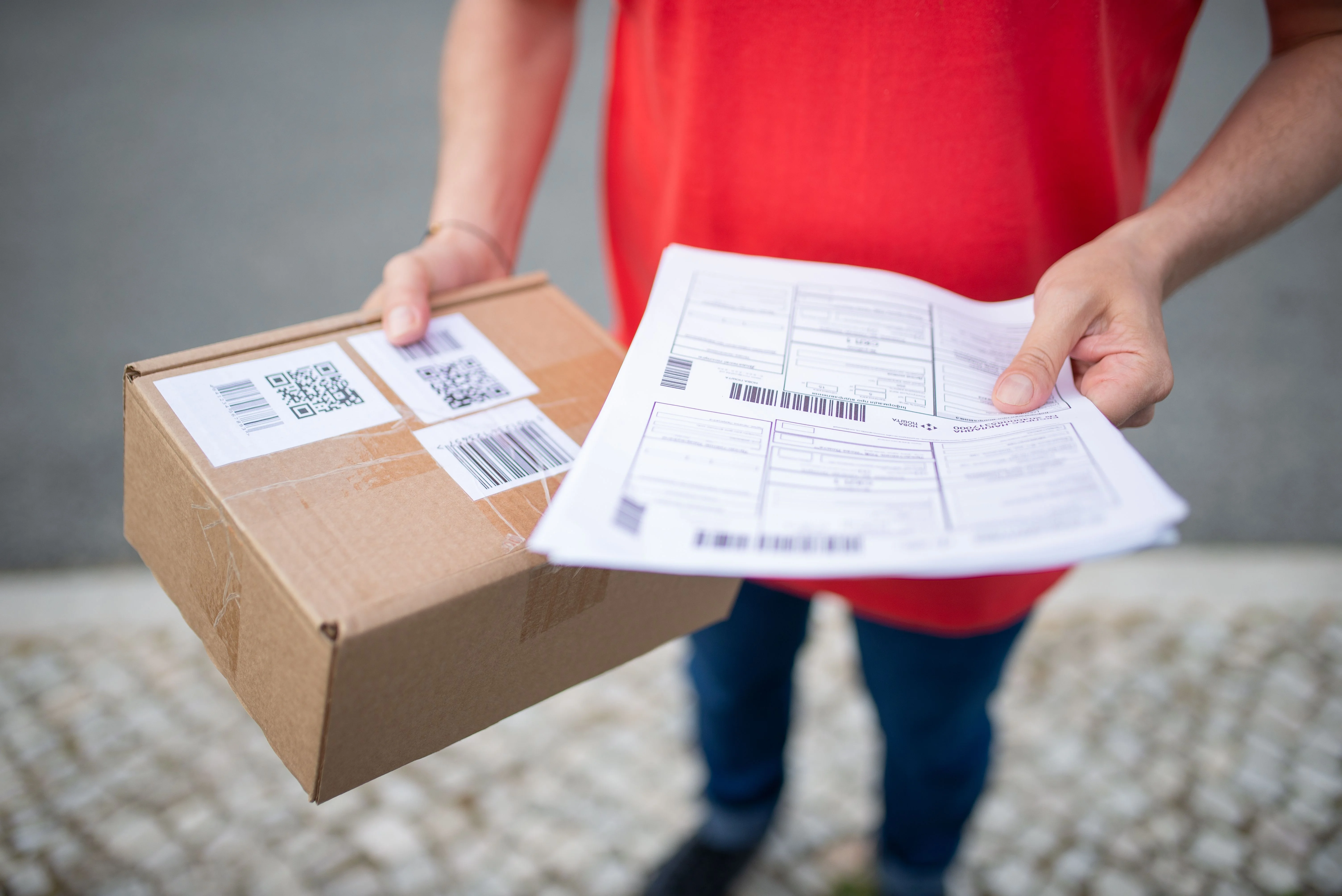
In today's fast-paced logistics and eCommerce industry, ensuring that a package reaches the intended recipient is an essential part of the delivery process. One of the most important concepts in courier and shipping operations is POD, commonly known as Proof of Delivery.
Whether you are an online seller, logistics provider, or customer waiting for a shipment, understanding POD can help you better track deliveries and ensure accountability throughout the shipping journey.
What Does POD Mean in Courier Services?
POD stands for Proof of Delivery. It is a document, digital record, signature, photograph, or other verification method that confirms a shipment has been successfully delivered to the recipient.
The primary purpose of POD is to provide evidence that the courier company completed the delivery according to the shipping instructions. It serves as a record for both the sender and recipient and can help resolve disputes regarding package receipt.
Why Is Proof of Delivery Important?
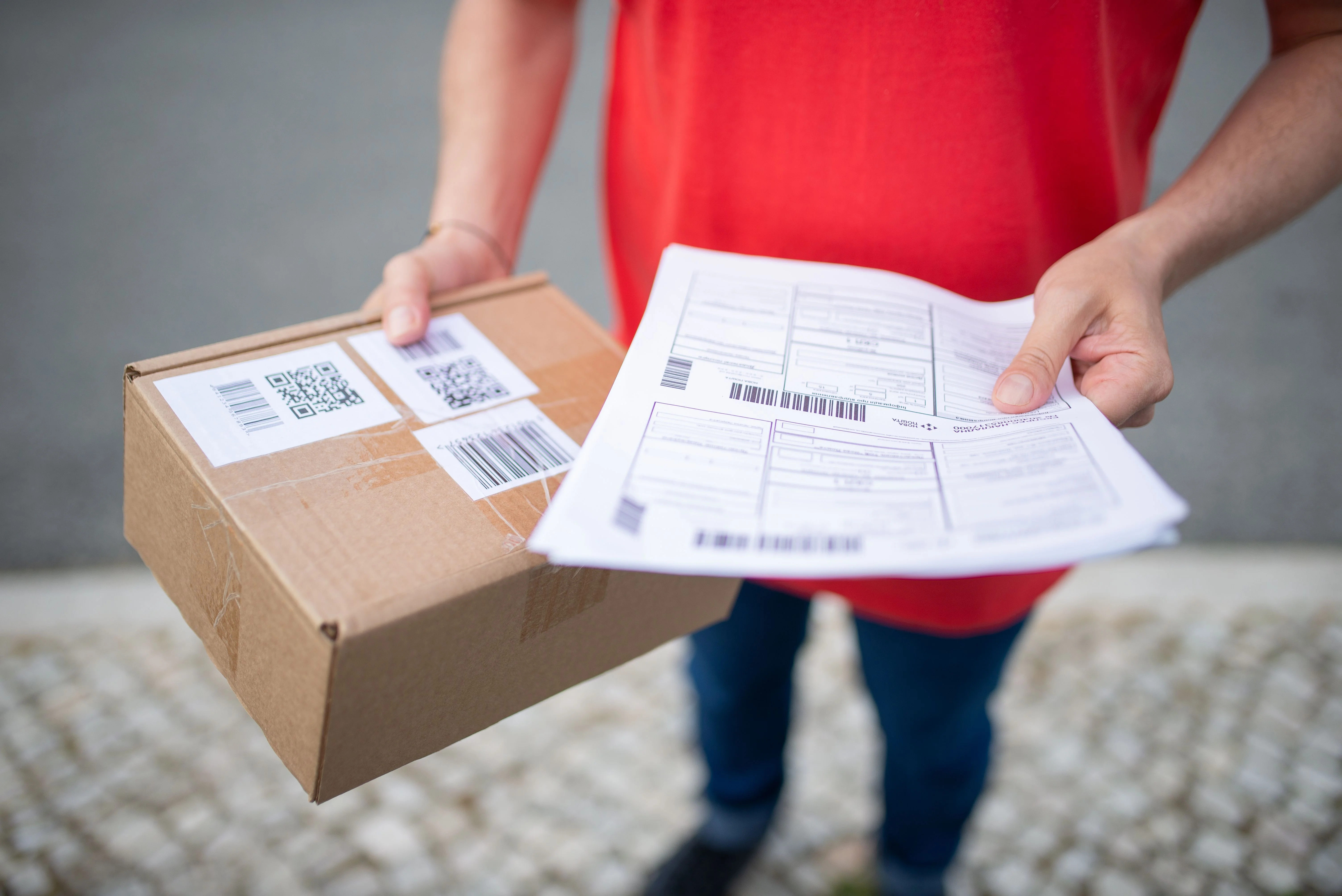
Proof of Delivery plays a crucial role in modern logistics operations. It helps establish transparency and accountability between sellers, couriers, and customers.
Some key benefits include:
Confirmation that a package has been delivered.
Reduced delivery disputes and claims.
Improved shipment tracking and visibility.
Enhanced customer confidence.
Better record keeping for businesses.
Support for return and refund processes.
For eCommerce businesses, POD can be particularly valuable when handling large volumes of customer orders.
Types of Proof of Delivery
Courier companies use several methods to verify deliveries. These may include:
1. Signature-Based POD
The recipient signs electronically or on paper to acknowledge receipt of the shipment. This remains one of the most widely used delivery confirmation methods.
2. Digital POD
Many courier providers now use mobile devices that capture delivery information electronically. These records are stored digitally and can often be accessed through tracking systems.
3. Photo Proof of Delivery
In some cases, delivery personnel take a photograph of the package at the delivery location. This visual evidence helps confirm successful delivery.
4. OTP or Verification Code Delivery
Some courier services use one-time passwords (OTP) or verification codes shared with the recipient before handing over the package.
POD in eCommerce Shipping
The rapid growth of online shopping has increased the importance of Proof of Delivery. Customers expect transparency throughout the shipping process, and businesses need reliable delivery records to manage customer service effectively.
The Future of Proof of Delivery
Technology is transforming how courier companies manage delivery verification. Mobile applications, GPS tracking, digital signatures, AI-powered logistics systems, and real-time updates are making POD in courier more accurate and efficient than ever before.
Future developments may include enhanced authentication methods, automated verification systems, and greater integration with eCommerce platforms to improve delivery transparency.
Conclusion
Proof of Delivery (POD) is a fundamental component of modern courier and logistics services. It provides confirmation that shipments have reached their intended recipients while improving accountability, transparency, and customer satisfaction. As the shipping industry continues to embrace digital transformation, POD systems will remain an essential tool for ensuring reliable and efficient deliveries.