Sign up with Google
 Sign in with Zoho

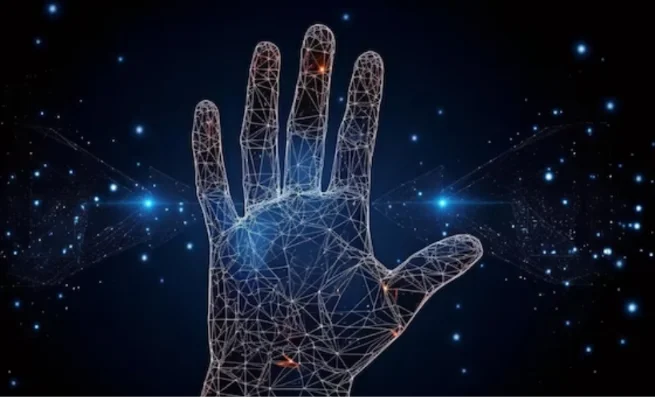
A few years ago, if someone told you an app could analyze your palm using a camera and artificial intelligence, you'd probably have laughed it off. Now? It's one of the fastest-growing corners of the wellness and spirituality space. AI palm reading is exactly what it sounds like — using machine learning and image recognition to interpret the lines and shapes on your hand, instead of (or alongside) a human reader.
It sounds futuristic, and honestly, it kind of is. But how does it actually work, and is it any good?
How AI Palm Reading Works
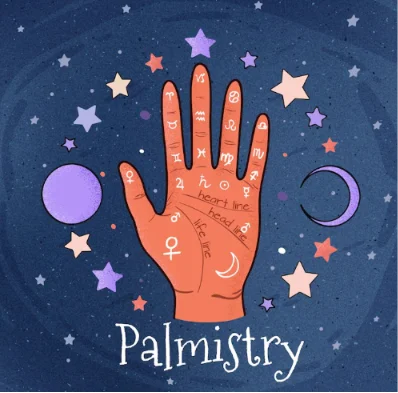
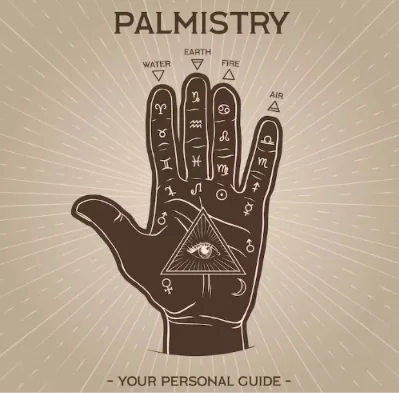
At a basic level, AI palm reading tools use your phone's camera to scan your palm. From there, computer vision algorithms map out the key features — your heart line, head line, life line, fate line, mounts, and finger shapes — and compare them against a large dataset of palmistry rules and patterns collected from traditional practice.
The software then generates an interpretation, often within seconds. Some tools go further, offering personality breakdowns, compatibility insights, or even predictions about career and relationship timing, based on the same principles a traditional palmist would use, just automated.
It's essentially digitizing centuries-old knowledge and making it instantly accessible — no appointment, no waiting, no travel.
Why AI Palm Reading Has Taken Off
There are a few honest reasons this trend has exploded:
Speed and convenience. You don't need to book a session or wait for a reader to be available. Point your camera, and you get an answer in minutes.
Consistency. A well-trained AI model applies the same logic every time, without having an off day or being influenced by mood or fatigue, the way a human reader might occasionally be.
Privacy. Some people feel more comfortable exploring something personal like this through an app first, before deciding whether they want a deeper, more personal conversation with an actual practitioner.
Curiosity meets tech. A lot of younger users are drawn to it simply because it merges two things they're already interested in — self-discovery and AI.
Where It Falls Short
Let's be fair about this. AI is good at pattern recognition, but palmistry has always relied heavily on nuance — the way a line curves, breaks, or overlaps with another, the depth of a crease, subtle context from a person's life situation. A camera scan can miss details that an experienced human eye would catch immediately.
There's also the emotional side of a reading. A real conversation with a reader allows for back-and-forth — you can ask questions, get clarification, and have the reading adapt to what's actually going on in your life. An AI-generated report, however well designed, is still a one-way output.
Because of this, a lot of people treat AI palm reading as a starting point rather than a replacement — a fun, low-commitment way to get curious about palmistry before going deeper with a real practitioner.
Is AI Palm Reading Accurate?
This depends heavily on the quality of the underlying model and how much real palmistry knowledge went into training it. Some apps are built with genuine input from experienced palmists and produce surprisingly thoughtful readings. Others are little more than randomized text generators dressed up with a palm-scanning gimmick.
If accuracy matters to you, look for platforms that combine AI-assisted scanning with real practitioner oversight, rather than relying purely on an automated algorithm.
The Best of Both Worlds
The most interesting development in this space isn't AI replacing human readers — it's the two working together. AI can handle the initial scan, mapping, and basic interpretation instantly, while trained readers step in to add depth, context, and the kind of intuitive insight that comes from years of experience.
This hybrid approach is quickly becoming the standard for platforms that want to offer both speed and genuine accuracy.
Final Thoughts
AI palm reading isn't a gimmick that's going away anytime soon — it's a genuine evolution of a very old practice, made more accessible through technology. It won't fully replace a good human reader, but it does open the door for a lot more people to get curious about what their hands might be telling them.
If you want to try a version of this that blends smart technology with real, experienced insight rather than a generic auto-generated result, Taratok offers exactly that kind of combined approach.
FAQs
1. Is AI palm reading as accurate as a human reader?
It depends on the platform. The best results come from tools that combine AI scanning with review from experienced human readers, rather than fully automated output alone.
2. Do I need a special camera for AI palm reading?
No, most tools work fine with a standard smartphone camera, as long as the lighting is decent and the palm is clearly visible.
3. Is my palm image data kept private?
This varies by provider, so it's worth checking the privacy policy of whichever platform you use before uploading personal images.
4. Can AI palm reading replace a full traditional session?
It's better viewed as a quick, accessible starting point rather than a full replacement for an in-depth session with an experienced practitioner.




.webp)