Sign up with Google
 Sign in with Zoho

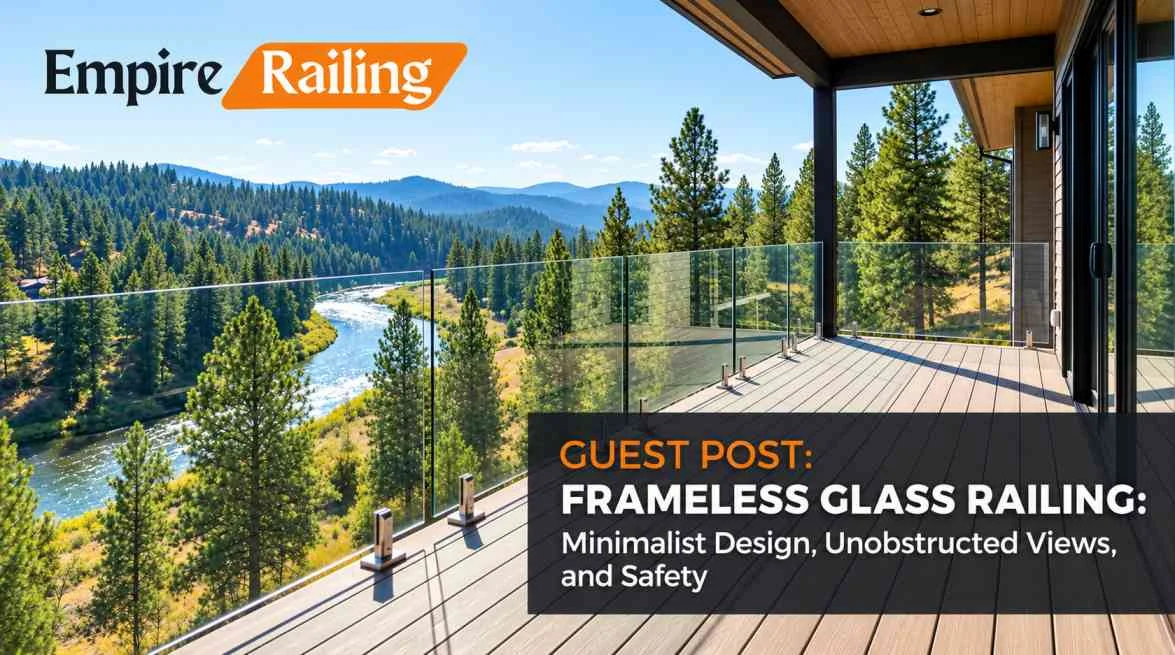
A railing can seem like a pretty small part of a building. Until you have to choose one. Then you start noticing all the little things. How high should it be? Which material makes sense? Will it block the view? Is glass difficult to keep clean? What happens when the railing has to turn around a staircase?
And, perhaps most importantly, who should actually install it? For someone planning a home renovation, new construction project, balcony upgrade, or commercial space, choosing a railing company isn't something I'd treat as a last-minute decision. The railing has to fit the space, but it also has to work with the structure and the way people use that area. That doesn't mean the process needs to be complicated. It just helps to know what questions to ask before the work begins.
Start by Looking at the Area
Before choosing a railing, look at the space where it will be installed. Really look at it.If it's a balcony, think about what you can see from that balcony. If it's a staircase, notice how much natural light reaches the stairs. For a deck, consider the view you're trying to keep open and how much exposure the railing will get.
These things can change the type of railing that makes sense. A homeowner might want a very clean appearance around a modern deck. A business owner may care more about durability and everyday traffic. Someone renovating an older property might want the new railing to blend with materials that are already there.
The same railing won't necessarily make sense in all three situations. That's why a good railing conversation should begin with the property, not with a product brochure.
Why Frameless Glass Railing Gets So Much Attention
Walk through a modern home or commercial building today and you'll probably see glass used somewhere. Large windows, glass doors, shower enclosures, partitions—and increasingly, railings.
Frameless Glass Railing is especially interesting when the goal is to keep a space visually open. There are fewer obvious structural elements interrupting the view, which can make a balcony, staircase, or terrace feel less enclosed. Imagine standing on a second-floor balcony and looking across a garden. A solid railing can become part of what you see. Clear glass tends to disappear into the background.
That's the appeal. It can also work nicely indoors. On a staircase, for example, a glass railing can let light travel through the space rather than creating another visual wall. But there's something worth remembering: the glass itself is only one part of the system.
Don't Forget What's Holding It Up
When people shop for glass railing, they naturally focus on the glass. The support system deserves just as much attention. Ask how the panels will be secured. Ask what type of hardware is being used. Ask whether the existing floor, stair, deck, or balcony is suitable for the planned installation.
These questions aren't about making the project sound more technical than it is. They're simply practical. You want to know that the finished railing has been planned for the actual space rather than selected from a picture and adapted later.
Cable Railing Has a Different Look
Not everyone wants glass. Cable Railing Systems offer another way to keep a railing relatively open without using large glass panels. The basic idea is familiar: slim cables run horizontally between posts. Because the cables don't occupy much visual space, they can preserve a good portion of the surrounding view.
They can look particularly natural on decks and stairs. I've also seen cable systems paired with wood, which gives a project a warmer appearance. With metal posts and fittings, the same basic idea can feel much more contemporary. There is a catch, though. Cable railing needs proper planning. The cables need to be installed and tensioned correctly, and the posts have to provide the necessary support. The layout matters too. So while the finished product can look simple, getting there isn't necessarily a simple job.
When Aluminum Makes More Sense
Sometimes the project calls for something different altogether. Maybe the owner doesn't want glass. Maybe cables aren't suitable for the design. Or perhaps a straightforward metal railing is the preference.
That's where Aluminum Railing Systems can come into consideration. Aluminum is relatively lightweight and can be used for a variety of railing designs. It can have a clean modern appearance, but it doesn't have to look overly industrial. For outdoor projects, people often like the combination of a durable metal system and relatively straightforward upkeep.
Still, don't compare aluminum railings only by color or finish. Look at how the components are made. Check the connections. Ask what hardware is included. Find out how the system will be attached to the structure. Two products can look almost identical in a small photograph and be quite different once they're installed.
Mesh Railing Isn't Just a Backup Option
Then there is Mesh Railing, which can be useful when a project needs a more defined barrier. Mesh gives you something between an open cable arrangement and a solid panel. It can provide a little more visual presence while still allowing some visibility through the railing.
That can be useful in certain commercial spaces, balconies, stairs, and elevated areas. Again, there's no need to decide that one material is automatically the right choice. Start with the actual problem you're trying to solve.
Do you want the railing to almost disappear? Do you want a stronger visual boundary? Are you more concerned with maintaining a particular architectural style? Those answers are more useful than simply asking which railing is currently popular.
Questions Worth Asking a Railing Company
Once you've narrowed things down, it's time to talk with a railing company. And don't worry if you don't know all the technical terminology. You shouldn't have to.A good contractor or railing specialist should be able to explain the important parts in normal language.
Here are a few questions I'd put on the list:
- Who will come out and take the measurements?
- What exactly is included in the quote?
- How will the railing be attached?
- What materials are being used?
- What preparation does the existing structure need?
- Who is responsible for installation?
- Are engineering or project-specific requirements involved?
- What sort of cleaning and maintenance will the finished railing need?
That last question is easy to forget. People often spend a lot of time choosing how a railing looks and almost no time thinking about what it'll be like to live with six months later.
Look at the Whole Building
A railing shouldn't have to fight with the architecture around it. If your home has lots of glass, simple lines, and a contemporary exterior, a clean glass system may feel like a natural extension of the design.
If the property has exposed timber, brick, or more traditional details, another material might fit better. There isn't a rule saying every modern building needs glass or every traditional building needs metal.
It's your property. The useful thing is to look at the railing as part of the bigger picture. Consider the flooring. Look at the stairs. Notice the window frames and doors. Think about the colors already being used. Sometimes a railing choice becomes obvious once you stop looking at it as an isolated product.
Installation Isn't the Place to Cut Corners
Here's the part that doesn't look particularly exciting in a finished photograph, Measurements. They matter. So do the attachment points, alignment, hardware, and preparation of the surface.
With glass, panels need to be handled and installed carefully. With cable systems, tension matters. With aluminum and mesh systems, accurate measurements and secure connections are just as important. A good-looking railing can still be a frustrating project if the installation wasn't planned properly.
This is one reason I'd pay attention to how a railing company talks about the process before hiring them.
Do they ask questions about the property?
Do they want to see the space?
Do they explain what needs to happen before installation?
Or do they simply give you a price after a quick conversation?
Those details can tell you a lot.
Get More Than One Quote, But Read the Quotes
Getting two or three estimates can be useful. Just don't compare the final numbers and stop there. One quote may include measurement, fabrication, installation, and hardware. Another may cover only the railing itself. Ask what's included. Ask what isn't included. And if two quotes are dramatically different, ask why.
It may turn out that the companies are offering different materials or installation methods. That's much more useful to know before signing anything.
Think About Maintenance Before the Railing Goes In
Every railing needs some care. The amount depends on the material and where it's installed. Glass may show fingerprints and water spots more readily. Outdoor metal railings can collect dust and grime. Different finishes may have different cleaning recommendations.
None of this should scare you away from a particular material. It's simply something worth knowing beforehand. If you're the person who doesn't want to spend much time cleaning a balcony railing, say so. If keeping the view perfectly clear is important, mention that too. Those little preferences can help narrow down the choices.
The Right Railing Depends on the Project
There isn't a single railing system that belongs in every home or commercial building. That's probably a good thing. For one project, Frameless Glass Railing might be the natural fit because the owner wants the view to remain open. Another project may work better with cable. Aluminum can make sense when a clean metal system is preferred, while mesh may be more appropriate where a stronger visual barrier is wanted.
If you're comparing these options, Frameless Glass Railing is one solution worth discussing with an experienced railing company. A professional can also explain whether another system would be more practical for the particular space. The important part is not choosing a material simply because it looks good in a photograph. It needs to work in the real world.
Final Thoughts
Choosing a railing company is easier when you stop thinking about the railing as just another finishing touch. It's part of the building. It affects the view, the feel of the space, maintenance, and everyday use. The installation also needs to be planned around the structure rather than treated as something that happens after everything else is finished.
So take your time. Look at the space. Ask questions. Compare complete quotes. Think about maintenance. And choose a railing system that makes sense for the property you actually have—not the property in a showroom photograph. That's usually where a good railing decision starts.

.webp)