Sign up with Google
 Sign in with Zoho

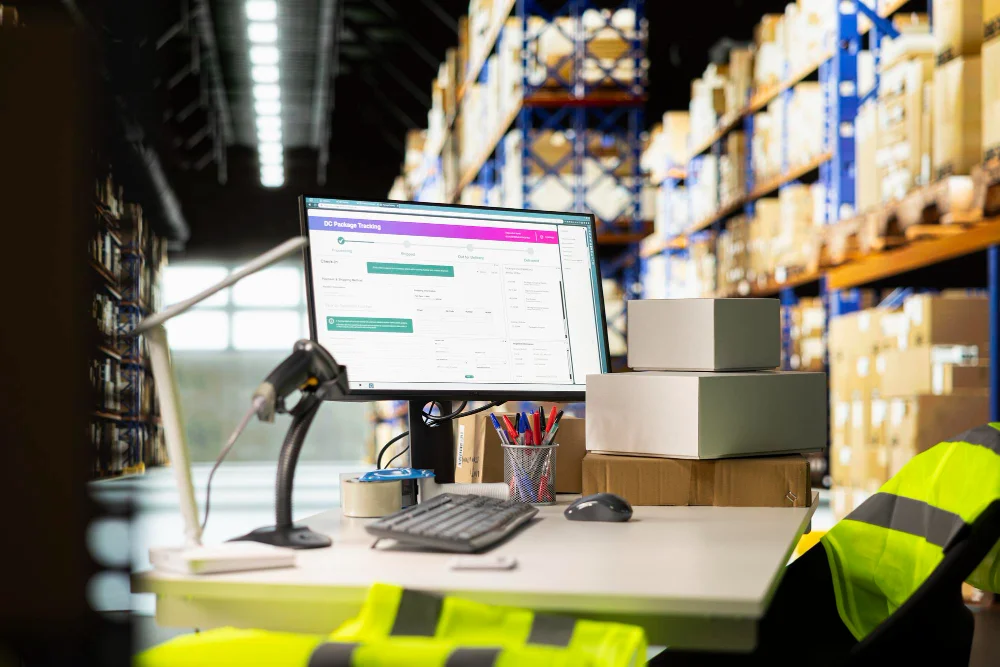
Warehouse operations are changing rapidly as businesses look for better ways to manage growing inventory volumes and customer expectations. Faster fulfillment, accurate inventory information, and efficient use of warehouse space have become important priorities for distributors, manufacturers, retailers, and ecommerce businesses.
Traditional warehouse processes often depend heavily on manual data entry and employee experience. While these methods may work for smaller operations, they can become difficult to maintain as order volumes and product ranges increase. Warehouse automation and digital technology can help businesses create more consistent and efficient processes.
What Is Warehouse Automation?
Warehouse automation involves using software, equipment, and technology to reduce manual effort in warehouse activities.
Automation can be applied to areas such as:
- Receiving
- Inventory tracking
- Put-away
- Picking
- Packing
- Replenishment
- Stock counting
- Shipping
- Reporting
Automation does not necessarily mean replacing warehouse employees with machines. In many cases, it means giving employees better information and tools so they can complete tasks more efficiently.
The Role of Warehouse Management Software
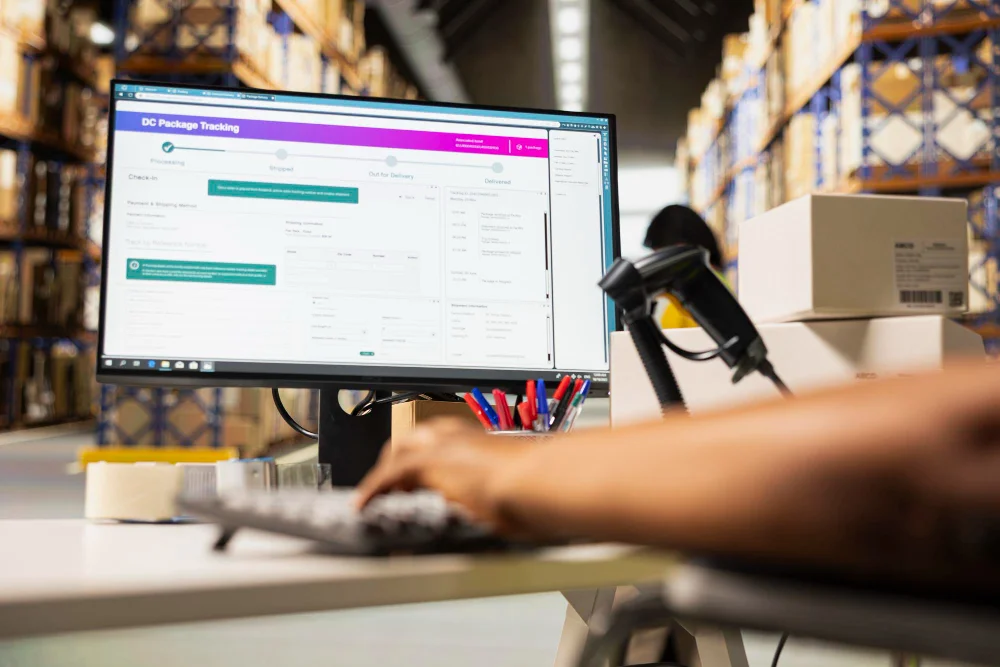
A warehouse management platform provides the digital foundation for many warehouse processes. It can track inventory movements, manage storage locations, coordinate picking activities, and provide information about warehouse performance.
Modern warehouse management systems can also integrate with ERP, ecommerce, transportation, and other business applications.
This creates a connected environment where information can move between departments instead of being entered manually into multiple systems.
Improving Receiving Operations
Receiving is the starting point for warehouse inventory management.
When products arrive, employees need to verify quantities, identify products, record the receipt, and determine where the goods should be stored.
Digital receiving workflows can help standardize these activities.
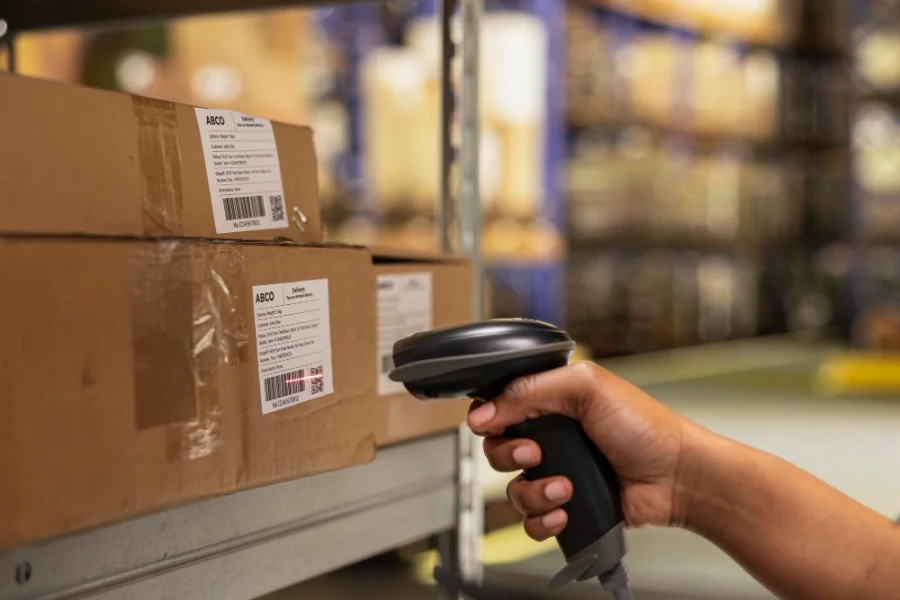
Barcode scanning can allow employees to capture product information quickly and reduce manual entry.
Optimizing Storage Locations
Warehouse space is valuable. Poor storage decisions can increase travel time and make picking more difficult.
Warehouse software can help organizations manage locations and assign products according to business rules.
For example, frequently ordered products may be placed in locations that are easier for employees to access.
Better location management can improve warehouse productivity without requiring additional physical space.
Improving Picking Efficiency
Picking is often one of the most time-consuming warehouse activities.
Employees may need to walk long distances to collect products for customer orders. An inefficient picking process can increase labor costs and slow fulfillment.
Technology can support different picking strategies, including:
- Batch picking
- Zone picking
- Wave picking
- Single-order picking
- Cluster picking
The right approach depends on order volume, product characteristics, warehouse layout, and business requirements.
Barcode and Mobile Technology
Mobile devices and barcode scanners can make warehouse processes more efficient.
Employees can use handheld devices to:
- Scan incoming products
- Locate inventory
- Confirm picks
- Perform cycle counts
- Transfer stock
- Confirm shipments
These transactions can update warehouse records immediately.
Inventory Accuracy
Automation can also improve inventory accuracy.
Manual inventory processes may result in incorrect quantities or locations being recorded. Digital scanning and transaction workflows can help reduce these errors.
Businesses can also use cycle counting to regularly verify selected inventory rather than relying only on annual physical counts.
Connecting Warehouse and Supply Chain Operations
A warehouse does not operate independently. It is connected to procurement, sales, transportation, manufacturing, and customer fulfillment.
For businesses looking at the broader technology environment, this guide to warehouse management systems provides useful information about WMS functionality and the role these systems can play in modern warehouse operations.
Integration can help organizations understand inventory availability and order status across the wider supply chain.
Using Data to Improve Warehouse Performance
Warehouse technology generates valuable operational data.
Managers can use this information to monitor:
- Picking accuracy
- Receiving performance
- Order cycle time
- Inventory accuracy
- Labor productivity
- Warehouse utilization
- Shipment performance
Analyzing these metrics can help identify bottlenecks and support continuous improvement.
Benefits of Warehouse Automation
A well-designed automation strategy can provide several benefits.
Greater Accuracy
Digital workflows and scanning can reduce errors.
Faster Processing
Employees can complete repetitive transactions more quickly.
Better Visibility
Managers can access more reliable information about inventory and warehouse activity.
Improved Productivity
Employees can spend less time searching for products or completing paperwork.
Scalability
Standardized processes can help warehouses handle increasing volumes.
Challenges to Consider
Automation also requires careful planning.
Businesses should consider:
- Initial investment
- Integration requirements
- Employee training
- Data quality
- System reliability
- Process changes
- Maintenance
- Scalability
Technology should be selected based on actual operational requirements rather than automation for its own sake.
Preparing for the Future
As warehouses become more connected, businesses may increasingly use technologies such as AI, robotics, computer vision, IoT devices, and advanced analytics.
However, successful warehouse transformation starts with a strong foundation of accurate data, standardized processes, and reliable software.
Conclusion
Warehouse automation can help organizations improve productivity, accuracy, and visibility while preparing operations for future growth. Software, barcode scanning, mobile devices, analytics, and integrated systems can work together to create more efficient warehouse processes.
Businesses should begin by understanding their existing challenges and then select technology that addresses those challenges while supporting long-term operational goals.