Sign up with Google
 Sign in with Zoho

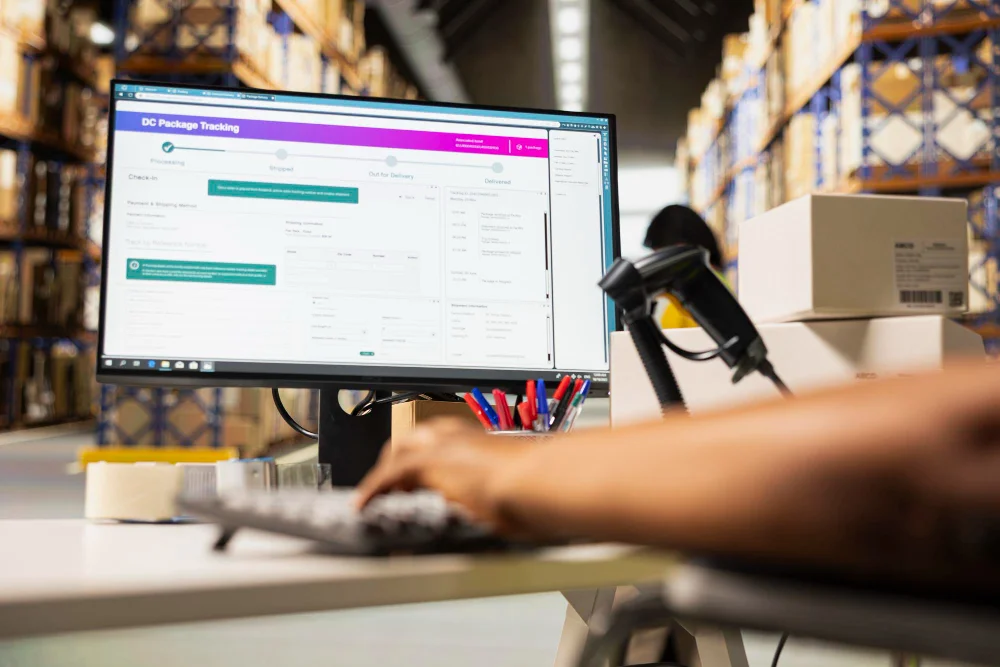
Supplier relationships influence many areas of a business, from procurement and inventory to finance and daily operations. When supplier information is spread across spreadsheets, email conversations, and separate documents, maintaining accurate records can become increasingly difficult.
Vendor Management Software offers a centralized approach to organizing supplier information and managing important activities throughout the vendor lifecycle.
Understanding the Vendor Management Lifecycle
Vendor management starts before a supplier begins providing products or services. Organizations may need to evaluate potential vendors, collect documentation, complete approvals, negotiate agreements, and establish ongoing performance requirements.
After onboarding, the relationship continues through purchasing, communication, performance reviews, contract renewals, and compliance checks.
Managing these stages through a structured system can provide greater visibility into supplier relationships.
Vendor Onboarding and Approval
A consistent onboarding process helps businesses collect the information they need before working with a new supplier.
Vendor management platforms can help organize company details, contact information, certifications, contracts, and approval requirements. Digital workflows can also make it easier to identify incomplete onboarding records.
This creates a more consistent process and can reduce unnecessary back-and-forth between procurement teams and suppliers.
Centralizing Supplier Records
Supplier information is often used by multiple departments. Procurement may need pricing and contract information, finance may need payment details, while operations may need delivery and product information.
A centralized vendor record gives authorized users access to consistent information. This can reduce duplicate data entry and make it easier to keep supplier information updated.
Measuring Vendor Performance
Supplier performance should be evaluated against criteria that matter to the organization.
Depending on the business, these may include:
- Delivery reliability
- Product or service quality
- Response time
- Pricing consistency
- Compliance
- Contract adherence
Recording this information over time allows businesses to identify trends rather than relying only on individual experiences or isolated incidents.
Managing Vendor Contracts
Contracts contain important information about pricing, services, responsibilities, renewal dates, and other terms.
When contracts are stored across different locations, employees may have difficulty finding the latest version. Centralized document management can make contracts easier to access and review.
This is particularly useful for organizations managing a large number of supplier relationships.
Supporting Better Vendor Communication
Supplier relationships require ongoing communication. Teams may need to discuss delivery schedules, product changes, invoices, quality concerns, or contract updates.
A structured vendor management process can help keep information organized and provide teams with better context when communicating with suppliers.
Integrating Vendor Management With Other Systems
Vendor management becomes more useful when supplier information can connect with other business processes.
Integration with procurement, inventory, accounting, or ERP systems can reduce duplicate data entry and provide a broader view of supplier activity.
For example, procurement teams can use supplier information alongside purchase records to understand purchasing history and vendor performance.
Choosing a Vendor Management Solution
Before selecting software, businesses should identify their biggest supplier-management challenges. A company with a small vendor network may need simple records and document management, while a larger organization may require advanced workflows, analytics, compliance monitoring, and integrations.
Scalability should also be considered. The system should be able to support additional vendors, users, locations, and processes as the organization grows.
Final Thoughts
Effective supplier management requires accurate information, clear processes, and ongoing performance visibility. Vendor Management Software can bring these elements together and help businesses manage supplier relationships through a more organized digital workflow.
Businesses evaluating vendor technology can learn more about Vendor Management Software and the capabilities available for modern supplier operations.