Sign up with Google
 Sign in with Zoho

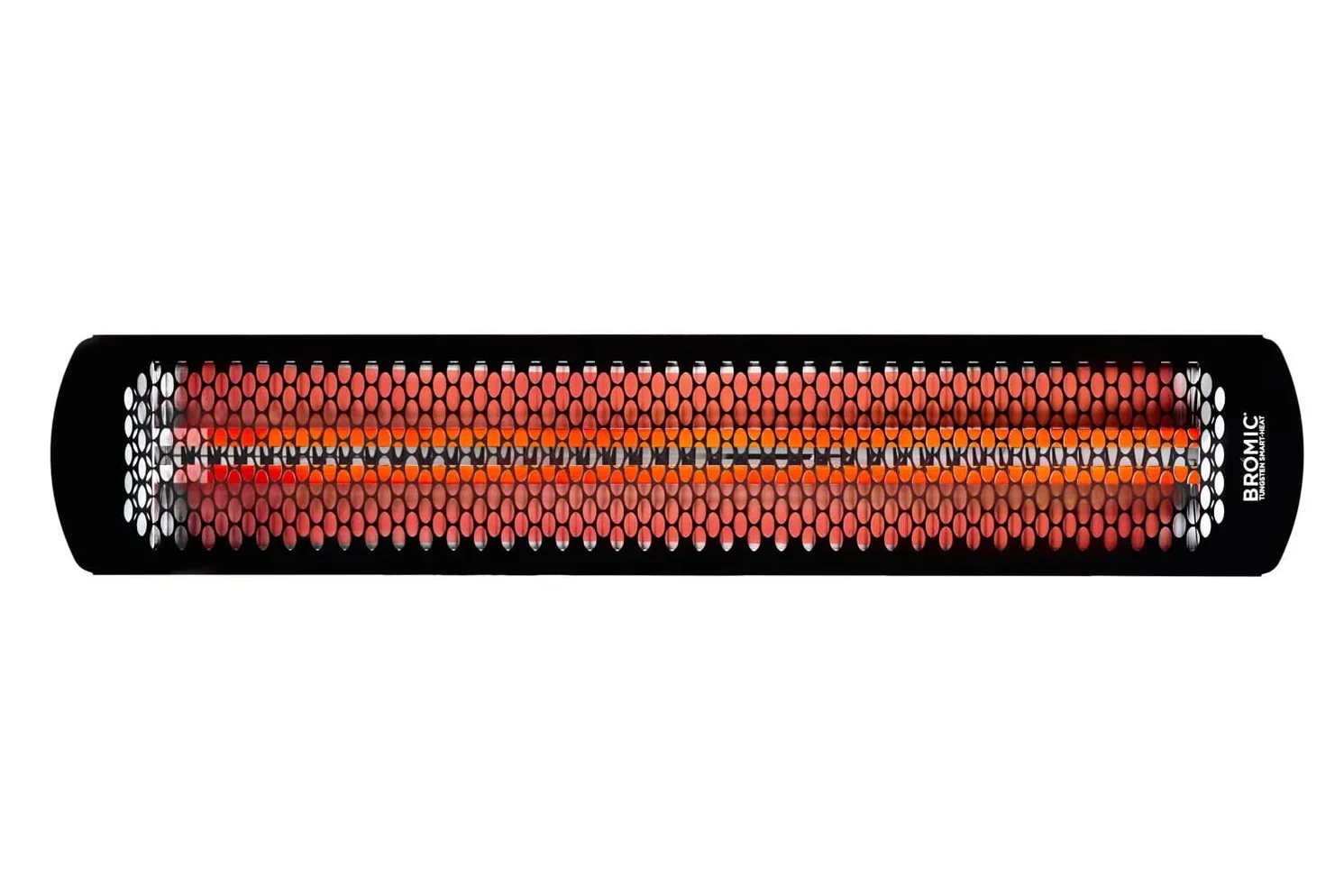
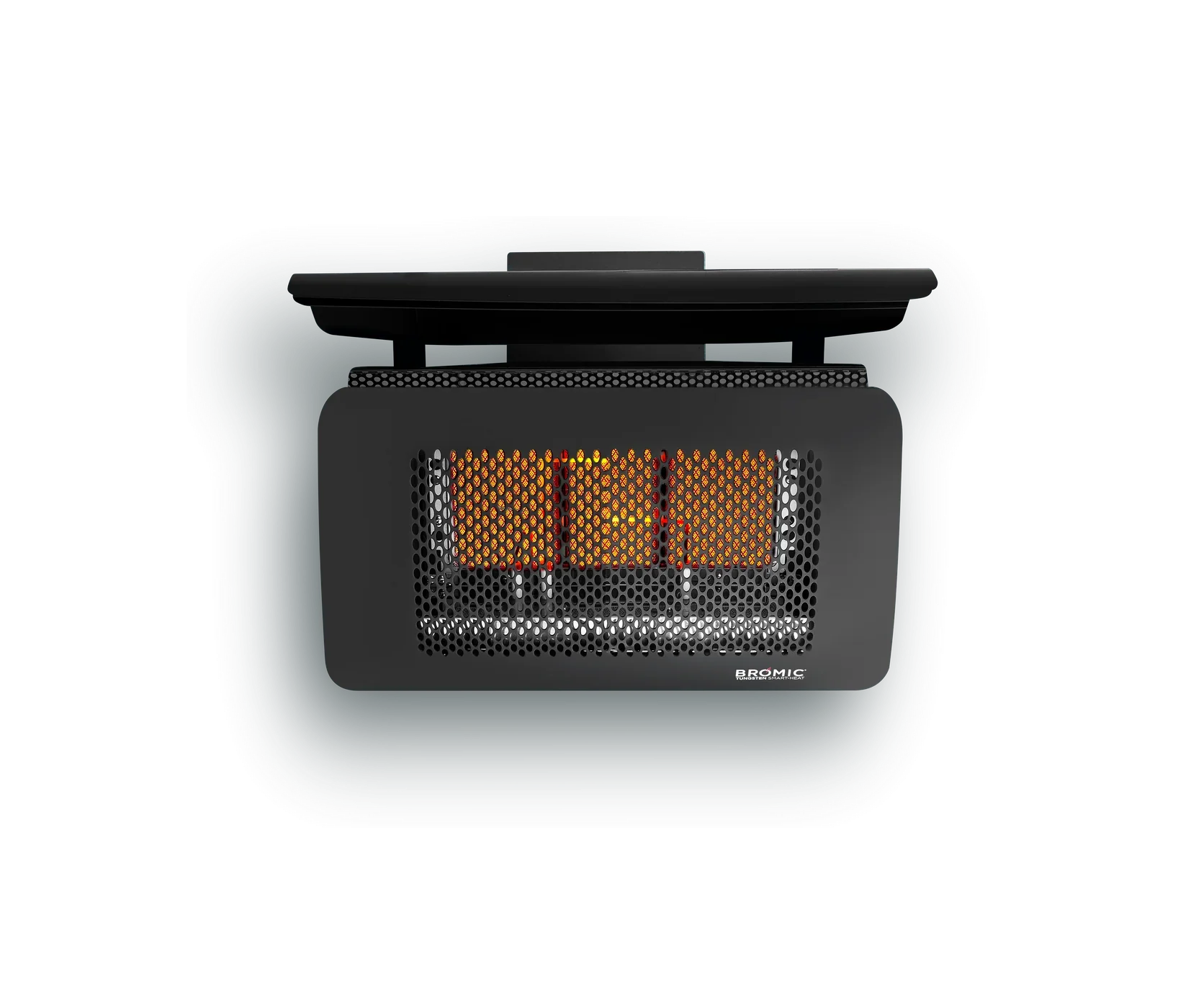
Shopping for a patio heater often turns into a numbers game pretty quickly, with wattage figures splashed across every product listing like they're supposed to mean something obvious at a glance. For anyone comparing a bromic 4000w heater against lower or higher wattage options, understanding what that number actually translates to in real world performance makes the decision a lot less confusing.
Let's break down what wattage really tells you, and how to use it to find a heater that actually fits your space.
What Wattage Actually Measures
Wattage refers to how much electrical power a heater draws to produce heat, and generally speaking, higher wattage translates to greater heat output. This is a rough guide, though, not an exact science, since factors like heater design, mounting height, and ambient conditions all influence how effectively that wattage actually translates into warmth felt by people below.
Still, wattage remains the most useful starting point for comparing heaters, since it gives a consistent, measurable figure to work from rather than relying purely on marketing descriptions like small, medium, or large coverage.
Matching Wattage to Square Footage
As a general guideline, higher wattage heaters are designed to cover proportionally larger areas. A smaller balcony or intimate seating nook typically does well with a lower wattage unit, while an open patio meant for larger gatherings needs considerably more output to maintain comfortable warmth across the entire space.
A Rough Guide to Wattage and Coverage
● Smaller spaces, such as a compact balcony or reading nook, generally suit heaters in the 1500 to 2500 watt range
● Mid sized patios with moderate seating often perform well with heaters around 3000 to 4000 watts
● Larger open patios or commercial outdoor dining areas typically need 4000 watts or more, sometimes requiring multiple units
● Fully open, wind exposed spaces generally need higher wattage than covered, sheltered areas of similar size
These figures are starting points rather than strict rules, since the specific layout and conditions of your space still play a meaningful role in actual performance.
Why More Wattage Isn't Always Better
It's tempting to assume the highest wattage option available is automatically the safest choice, but oversizing a heater for a smaller space creates its own set of problems. Excessive heat output in a compact area can feel genuinely uncomfortable, forcing guests to sit farther away than intended, which somewhat defeats the purpose of installing the heater in the first place.
There's also the matter of running costs. Higher wattage heaters draw more electricity, and running an oversized unit regularly costs more over time without delivering a proportional benefit if the space simply doesn't need that much heat output to begin with.
How Mounting Height Affects Wattage Needs
For mounted or overhead heaters specifically, installation height plays a meaningful role in how effectively a given wattage actually performs. Mounted too high, even a higher wattage unit may struggle to deliver adequate warmth to the seating area below, since heat has to travel further before reaching people. Positioned at the recommended height for that specific model, the same wattage often performs considerably better.
This is why checking manufacturer recommendations for mounting height alongside wattage matters just as much as the wattage figure itself when planning an installation.
Accounting for Wind and Exposure
Open, exposed patios lose heat to wind far more readily than covered or sheltered spaces, which means an outdoor area without much wind protection often needs a higher wattage heater than an enclosed space of similar square footage would require. This is worth factoring in honestly when estimating your needs, rather than relying purely on square footage without considering how exposed the space actually is.
A Realistic Scenario Worth Considering
Picture two patios of roughly the same size, one fully covered with walls on three sides, the other completely open with no wind protection at all. The covered patio might comfortably warm up with a 3000 watt heater, while the open patio could genuinely need a 4000 watt unit or higher just to achieve similar comfort levels, simply because wind carries heat away far more quickly in an exposed setting.
Considering Multiple Units for Larger Spaces
For genuinely large outdoor areas, a single high wattage heater sometimes isn't the most practical solution, even if it technically has enough output on paper. Multiple lower wattage units spaced evenly throughout the space often provide more consistent, even coverage than trying to rely on one central unit to heat an entire large patio, which tends to create noticeable hot and cold zones depending on distance from the source.
Questions Worth Asking Before You Buy
● What are the actual dimensions of the space I'm trying to heat?
● Is the area covered and sheltered, or fully open and exposed to wind?
● Would multiple lower wattage units provide more even coverage than a single larger heater?
● What mounting height does the manufacturer recommend for optimal performance at this wattage?
Finding the Right Balance for Your Space
Wattage offers a genuinely useful starting point for comparing heaters, but it works best when considered alongside space size, wind exposure, and mounting height rather than as a standalone figure. Matching output realistically to your specific space avoids both the discomfort of an undersized heater and the wasted energy of an oversized one.
If you're currently comparing options, taking the time to honestly assess your space's size and exposure before focusing purely on wattage numbers tends to result in a heater that actually performs the way you expect once it's installed and in regular use.