Sign up with Google
 Sign in with Zoho

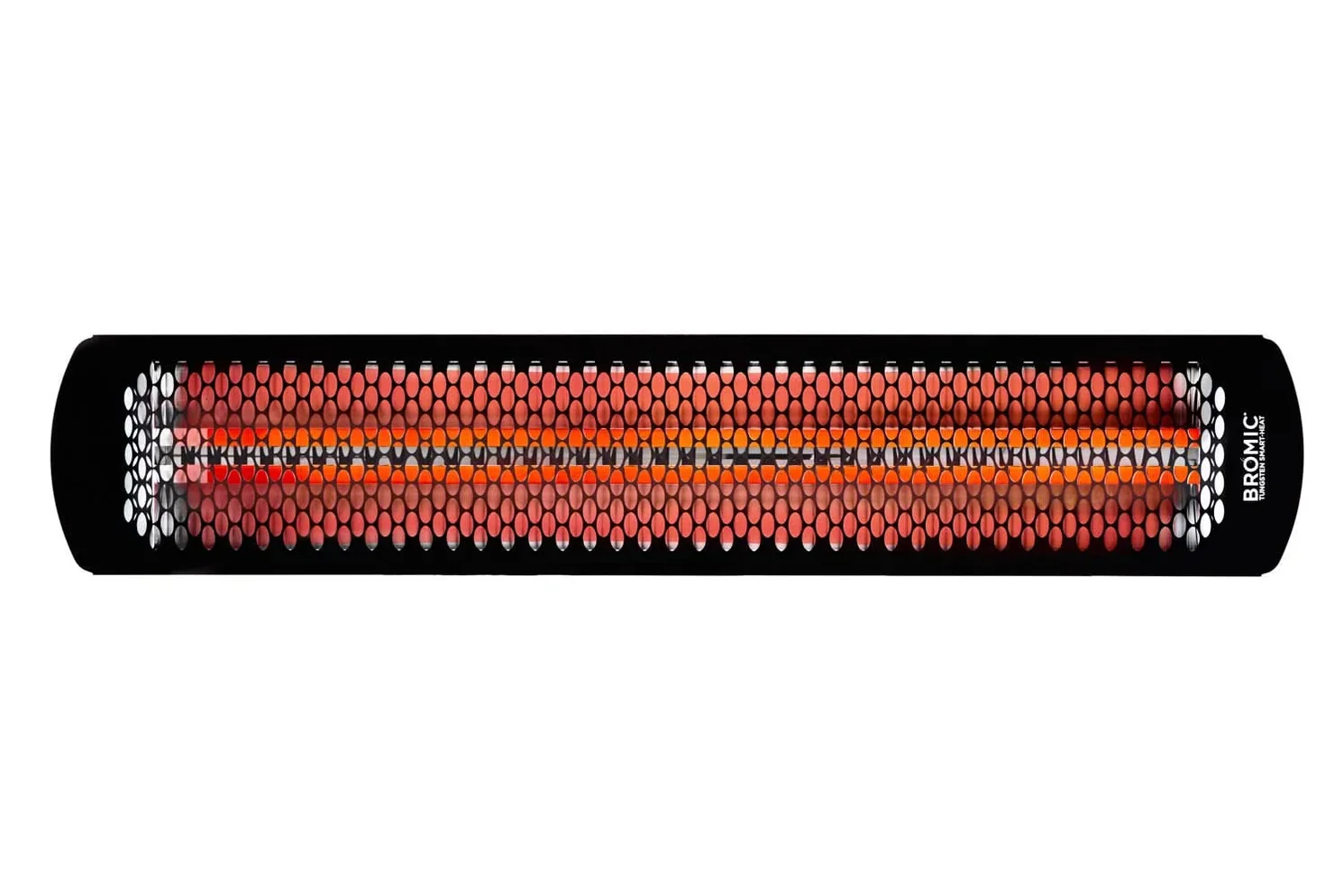
Running costs are one of the first questions people ask before buying outdoor heating, and one of the hardest to get a straight answer on. Some sources make electric heating sound alarmingly expensive, others claim it costs almost nothing. The truth sits somewhere in between, and it depends on a few numbers you can work out yourself in about five minutes. If you are considering a bromic electric patio heater, understanding how the cost is calculated lets you budget with confidence instead of guessing.
Here is a simple way to estimate what it will cost, and what you can do to keep the number down.
The Basic Math
Electricity is billed in kilowatt hours. A kilowatt hour is the energy used by a one kilowatt appliance running for one hour. To estimate the cost of running a heater, you need three numbers, the heater's power in watts, the number of hours it runs, and your electricity rate.
● Divide the wattage by 1000 to get kilowatts
● Multiply by the number of hours you plan to run it
● Multiply the result by your rate per kilowatt hour
The rate appears on your electricity bill. It varies widely by region and sometimes by time of day, so use your own figure rather than a national average.
A Worked Example
Take a 3000 watt heater, which is 3 kilowatts. Run it for four hours on an evening, and it uses 12 kilowatt hours. At an example rate of 15 cents per kilowatt hour, that comes to $1.80 for the evening. If you use it twenty evenings in a season, the total is about $36.
Now try a 2000 watt heater for two hours. That is 4 kilowatt hours, or about 60 cents at the same rate. The numbers are easy to adjust once you know your own rate, and they show how much hours of use matter.
Why Hours of Use Matter Most
People often focus on wattage, but the biggest lever is time. A powerful heater running for a short while can cost less than a modest one left on all evening. Switching a heater on only when guests are outside, and off when they go in, makes a larger difference than most other changes.
Dimming Lowers the Bill
Many electric heaters can be adjusted to run at lower output. Running at a reduced setting uses less power than running at full strength, so a heater that spends most of the evening at a moderate level costs less than one set to maximum. Controls that let you turn the output up and down are worth considering for this reason alone.
Shelter and Placement Save Energy
A heater working against wind has to do more to keep guests comfortable. Windbreaks, walls, and covered ceilings keep warmth where it is needed, and they let you use a lower setting. Positioning the heater so its warmth lands on seating, not empty space, also stops energy being wasted.
Ways to Reduce Running Costs
● Use a timer or remember to switch off when the patio is empty
● Choose a heater sized for the space instead of the largest available
● Use adjustable output instead of running at full power
● Add windbreaks or screens on the exposed side
● Place the heater so it covers where people actually sit
Multiple Heaters Versus One
For larger patios, using several moderate heaters spaced across the area often keeps guests more comfortable than one powerful unit. The total wattage may be similar, but if you can switch off the zones you are not using, the actual energy used is lower.
How It Compares With Other Options
Gas heaters have their own costs, including fuel refills or connections, and those prices change with the market. Comparing the two fairly means looking at your local electricity rates and fuel prices side by side. Electric heaters have the advantage of simple, predictable billing and no fuel to buy or store.
A Realistic Example
Picture a household that hosts dinner outdoors three evenings a week through autumn, about twelve weeks. They run a 3000 watt heater for three hours each time. That is 9 kilowatt hours per evening, or 36 evenings in total, about 324 kilowatt hours. At 15 cents per kilowatt hour, the season costs roughly $49.
Most people find that figure reasonable for the extra weeks of use they get from their patio. If they used a dimmer and ran the heater at a lower setting for part of each evening, it would cost less still.
Do Not Forget the Upfront Costs
Running cost is only part of the picture. Installation, especially for hardwired units, can require an electrician, and the heater itself is an upfront investment. Think of the total over several seasons, and weigh it against how much more you will use the space.
Check Whether Your Rate Changes by Time of Day
Some electricity plans charge different rates at different times. Evenings are often a peak period, which is exactly when most people use their patio. Check your plan, and if rates are higher in the evening, factor that into your estimate. It may make timers and lower settings even more worthwhile.
Think in Cost Per Evening
A seasonal total can feel abstract, so break it down. If an evening outside costs a couple of dollars in electricity, ask yourself what that evening is worth. Compare it with the cost of dining out, or of a gathering that would otherwise happen indoors. Put that way, the running cost often looks very reasonable.
A Quick Cost Checklist
● Find the wattage of the heater you are considering
● Check your electricity rate on your latest bill
● Estimate realistic hours of use per week and per season
● Factor in controls and settings that reduce usage
● Include installation costs in your overall budget
Keep your estimate honest by tracking real use for the first month. Note how many evenings you run the heater and for how long, then compare that with your bill. Real data beats guesses, and it shows quickly whether a timer or a lower setting could save more.
Know the Number Before You Buy
Electric patio heating is not free, but it is far more predictable than people expect. A little arithmetic turns a vague worry into a clear figure, and that figure is often smaller than the cost of the extra evenings you gain.
Before you buy, run the numbers with your own rate and your own habits. You will make a better decision, and you will know exactly what to expect when the bill arrives.