Sign up with Google
 Sign in with Zoho

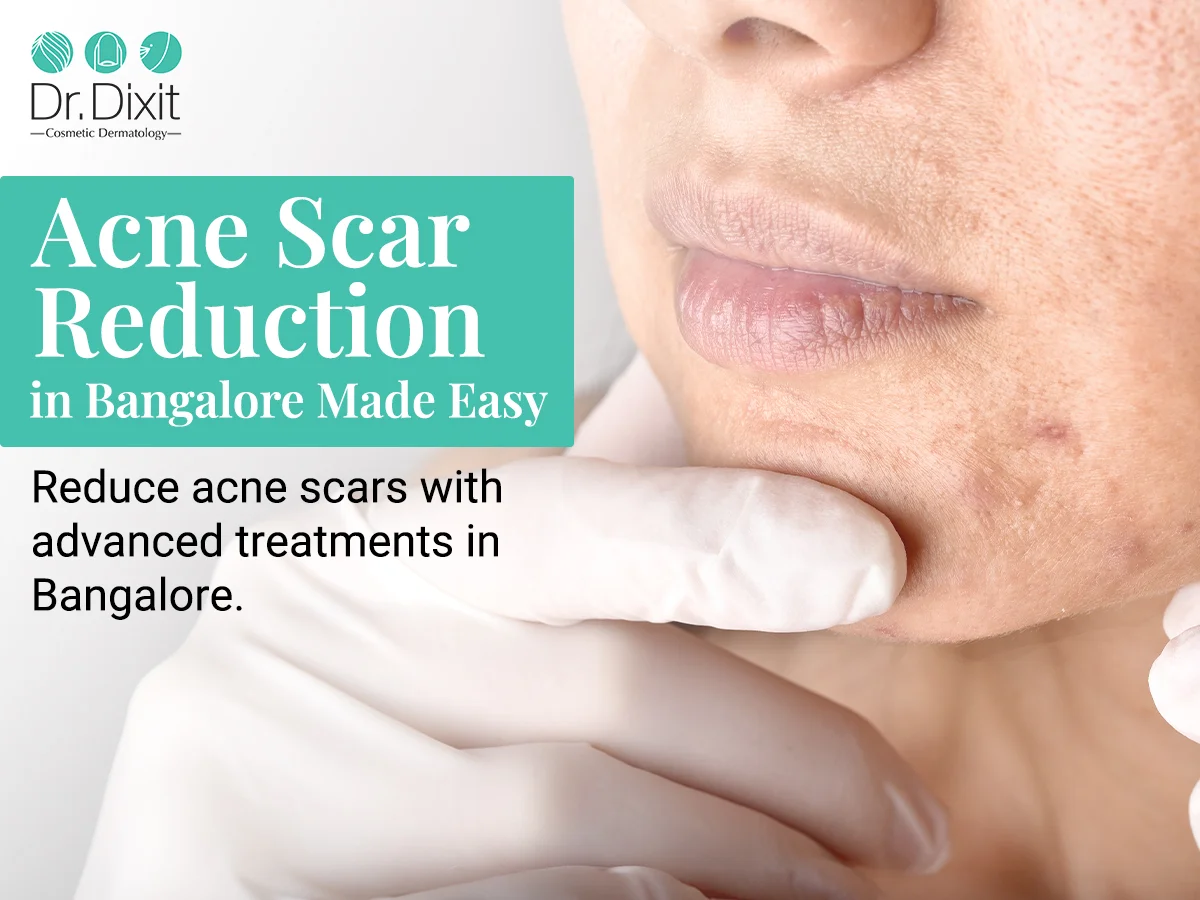
Most people expect the pimple to go away and the problem to go with it. It rarely works that way. Dark spots, bumpy texture and little pits can stay on your face for years, and honestly, they often bother people more than the acne ever did. If you are searching for acne scar reduction in Bangalore, it helps to first understand how these scars form. Once you know that, choosing a treatment becomes much easier.
Why Acne Scars Form
A scar is basically the skin's repair job gone slightly wrong. When a pimple or cyst gets badly inflamed, it damages the tissue around it. Your skin responds by making collagen to patch the area, but it does not always make the right amount.
- Too little collagen: The area sinks below the surface and leaves a pit or dent.
- Too much collagen: The skin builds up a raised, thick patch over the healed spot.
Three things decide how bad the scarring gets: how deep the inflammation went, how long the acne stayed untreated, and whether the spot was picked or squeezed. Picking is the biggest culprit. It pushes bacteria deeper and damages more tissue, so a small pimple can leave a much bigger mark.
Types of Acne Scars
Treatment depends on the scar type, so it is worth knowing which one you have.
- Ice pick scars: Narrow, deep and V-shaped. They reach the lower layers of skin and are the hardest to treat.
- Boxcar scars: Wide, flat-bottomed dents with sharp edges, usually on the cheeks and temples.
- Rolling scars: Broad dips with sloping edges that make the skin look wavy.
- Hypertrophic or keloid scars: Raised, thick scars, more common on the chest, back and jawline.
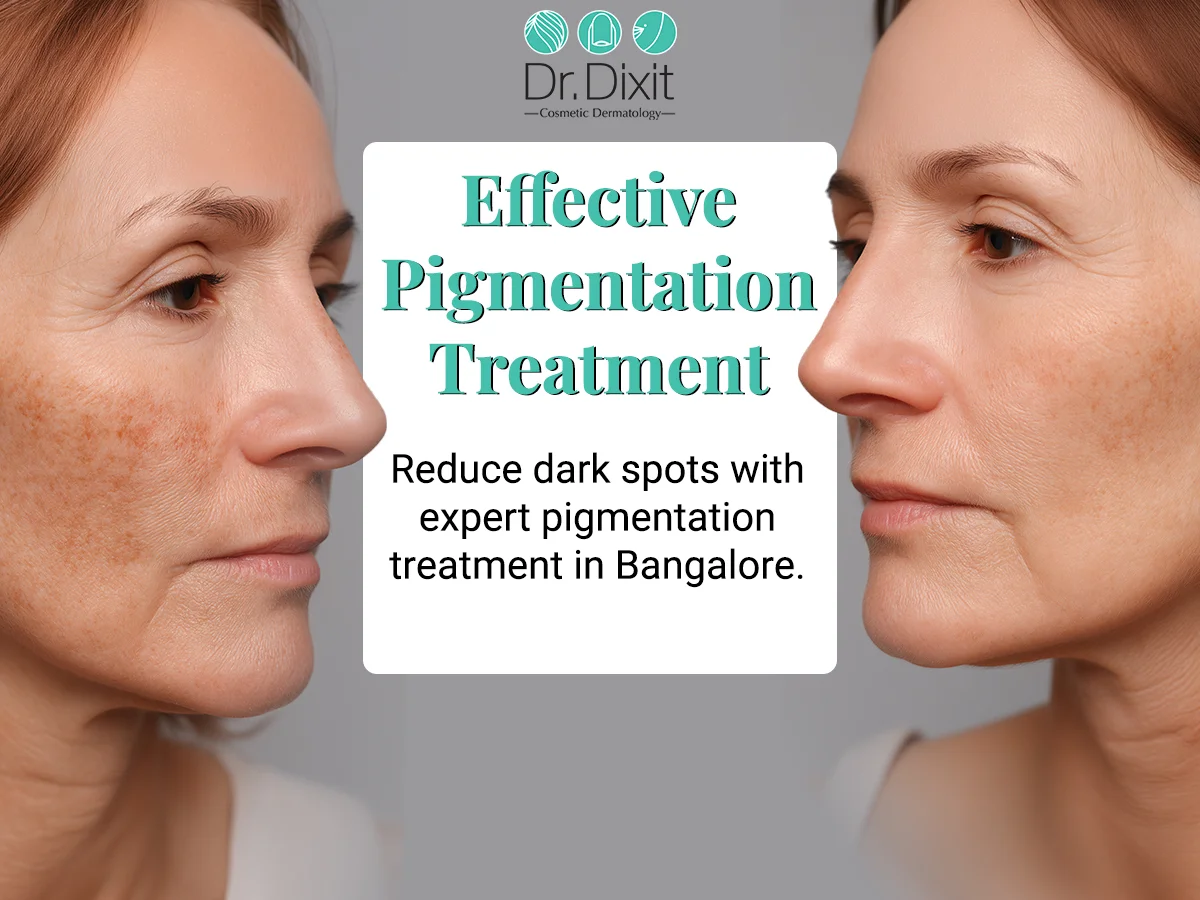
- Post-inflammatory hyperpigmentation (PIH): Flat dark marks left after a pimple heals. They are not true scars, but people often confuse them, and they respond well to the right treatment.
Can Acne Scars Be Reduced?
Yes, but how much improvement you see depends on the scar type, its depth, your skin tone and the treatment chosen. Light marks and mild texture issues improve faster. Deeper scars take more time and often need two or more treatments combined.
Home remedies and over-the-counter creams may lighten surface pigmentation, but they cannot fix changes under the skin. For real scarring, you need clinical treatment.
Treatments That Work
At Dr. Dixit Cosmetic Dermatology in Koramangala, Bangalore, the treatment is chosen after assessing each patient's scars:
- Chemical peels: Good for mild scars and PIH. They speed up cell renewal and smooth the surface. Usually 4 to 6 sessions.
- Microneedle Radiofrequency (MNRF): Combines microneedling with radiofrequency to trigger deeper collagen rebuilding. Works well for depressed scars, with 3 to 6 sessions.
- Fractional CO2 laser: Targets deeper scar tissue precisely. One of the better options for ice pick and boxcar scars, needing 1 to 4 sessions based on severity.
- TIXEL: A thermal fractional treatment that improves texture with very little downtime. Suitable for sensitive skin.
- Subcision: A minor in-clinic procedure where a needle releases the fibrous bands pulling the skin down. Mainly used for rolling scars, usually 2 to 4 sessions.
- Injections: For raised scars. They soften and flatten the tissue, given every 4 to 6 weeks over a series of sessions.
The cost at Dr. Dixit's clinic depends on the technique, how severe the scarring is and how many sessions you need. A session lasts anywhere from 20 to 90 minutes. You may notice changes within a few weeks, but the best results usually show up between three and six months.
Conclusion
Acne scars are real, but they are treatable. Complete erasure is not always possible, yet a clear reduction in depth and visibility is realistic with the right plan. What matters most is identifying your scar type correctly and then building a treatment around your skin.
A consultation with a qualified dermatologist is the best first step. Dr. Rasya Dixit has over 20 years of experience in cosmetic dermatology and designs evidence-based plans for every skin type. To explore acne scar reduction in Bangalore, visit the website and book your consultation today.