Sign up with Google
 Sign in with Zoho
Have you ever noticed how two people can have the exact same degree, apply for the exact same job, and still end up in completely different places?
One gets hired within weeks. The other sends out fifty applications and hears nothing back.
The difference usually isn't intelligence. It isn't even hard work. More often than not, it comes down to digital skills the practical, everyday abilities that let someone actually do the job in a digital-first world.
We are living through one of the biggest shifts in how work happens. Meetings run on video calls. Small shop owners manage orders through WhatsApp Business. Marketing teams live inside dashboards and analytics tools. Even government forms, college applications, and job interviews have moved online.
And yet, a lot of people are still preparing for careers the old way: memorize, get a degree, apply, and wait.
That gap between how people are trained and what workplaces actually expect is exactly why the idea of a future-ready workforce has become such an important conversation. So let's break it down simply. What do digital skills really mean? Why do they matter this much? And how can you, or your team, actually start building them?
What Do We Really Mean by “Digital Skills”?
The term sounds technical, but it isn't as complicated as it seems.
Digital skills are simply the abilities that let a person work confidently with technology to solve everyday problems at work, in business, or in daily life. This includes things like:
• Using tools such as Google Workspace, Excel, or basic project management apps
• Communicating professionally over email, WhatsApp, or video calls
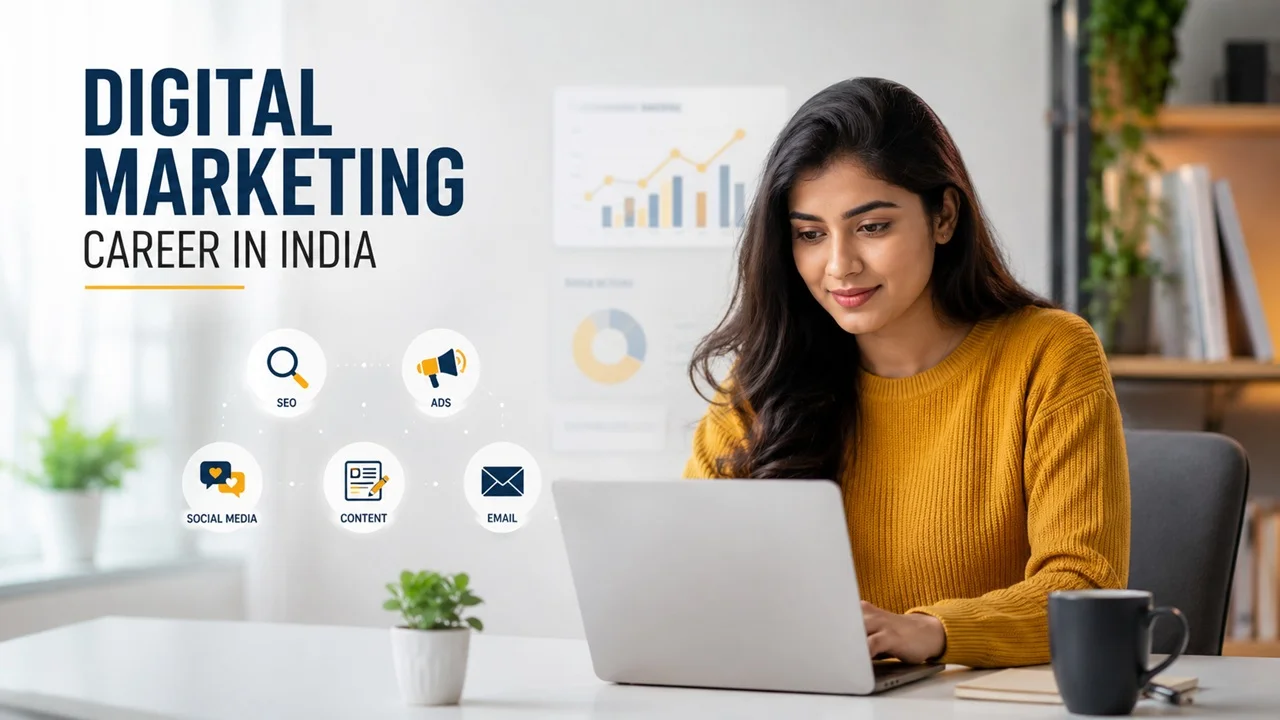
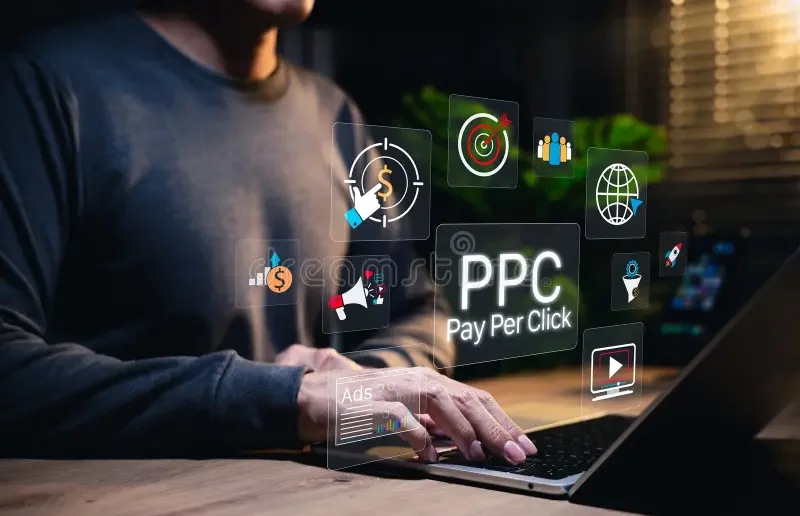
• Understanding how search engines, social media, and online marketing work
• Managing basic data entering it, organizing it, reading a simple chart
• Staying safe online: recognizing scams, protecting passwords, understanding privacy
Notice something important here. Digital skills are not the same as being “good with computers” in a technical, coding sense. You don't need to be a software engineer to have strong digital skills. A tailor who takes orders through Instagram, a teacher who conducts classes on Zoom, and a sales executive who tracks leads in a CRM all three are using digital skills every single day.
Why Digital Skill Development Has Become Non-Negotiable
A few years ago, digital skills were considered a bonus. Something nice to have on a resume.
That's changed.
Today, digital skill development sits right next to core subject knowledge in terms of importance. Here's why.
Jobs are changing faster than college syllabuses. Most degree courses take three to four years to update their curriculum. Technology changes every few months. This creates a gap, and only continuous skill development can close it.
Small businesses need it just as much as big companies. A local business that doesn't understand basic digital marketing is invisible to a huge chunk of its potential customers. This isn't limited to big cities it's just as true for a shop in a small town trying to reach local buyers online.
Employers are quietly changing what they screen for. Ask any hiring manager today, and they'll tell you the same thing: a candidate who can confidently use digital tools, communicate clearly online, and adapt quickly to new software often gets picked over someone with a slightly better mark sheet but no practical exposure.
In short, digital skill development isn't about staying ahead anymore. It's about staying relevant.
What Real Digital Skills Training Looks Like
Here's where a lot of people get it wrong. They assume digital skills training means sitting through long video lectures or collecting certificates that never get used.
Good training doesn't work that way. Effective digital skills training is:
• Practical, not just theoretical you should be doing the work, not just watching someone else do it
• Connected to real outcomes built around what employers or customers actually expect
• Bite-sized and repeatable short, focused modules stick far better than long sessions
• Guided, especially at the start a mentor, checklist, or clear starting point before self-exploration
If a training program checks these boxes, it's doing its job. If it doesn't, it's probably just filling time.
Understanding the Future-Ready Workforce
The phrase “future-ready workforce” gets used a lot, sometimes without much explanation. So what does it actually mean?
A future-ready workforce is one that can adapt not just perform a fixed set of tasks, but learn new tools, adjust to new processes, and keep up as industries evolve.
This matters more than it might seem at first. Think about it this way: the specific software or platform you learn today might not even exist in five years. What will exist is your ability to learn quickly, apply what you know to new situations, and stay comfortable with change.
Organizations that build a future-ready workforce usually focus on three things:
1. Continuous learning, not one-time training
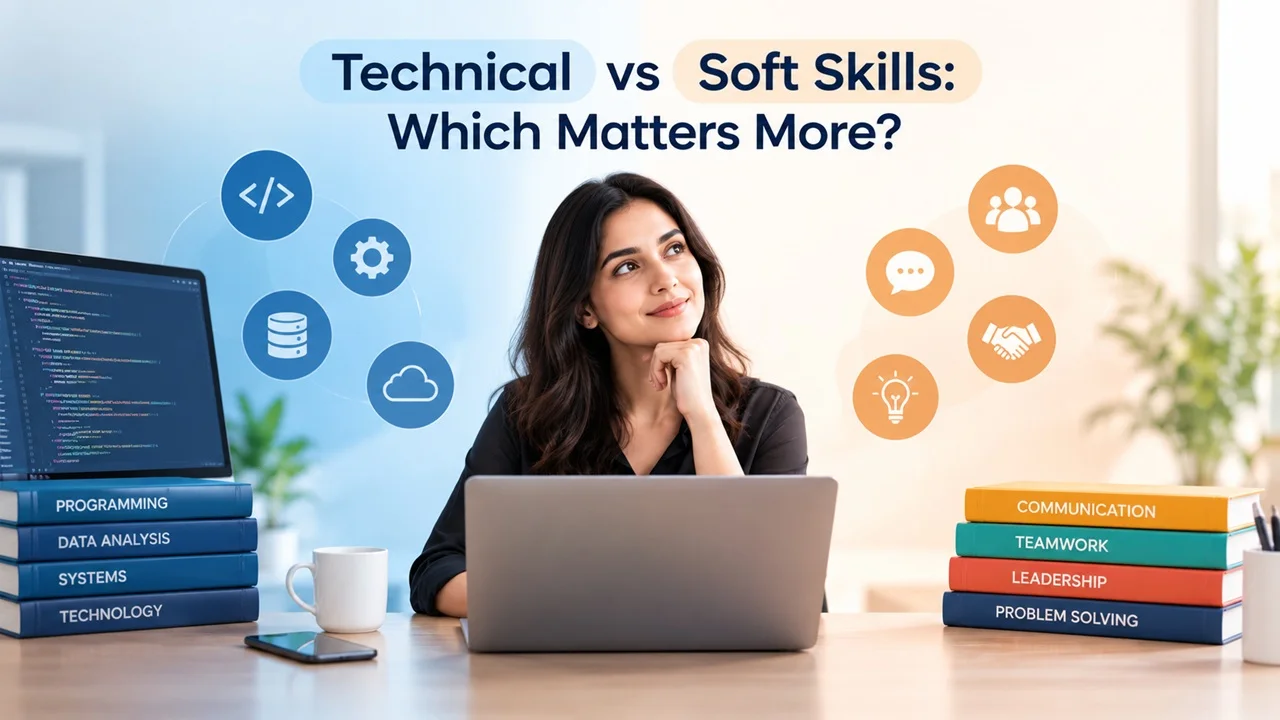
2. A mix of technical skills and soft skills like communication and problem-solving
3. Real exposure projects, internships, hands-on practice not just classroom learning
The same applies to individuals building their own careers. Being future-ready isn't about knowing everything today. It's about building the habit of learning tomorrow's skills before they become mandatory.
Employability Skills: The Missing Link Between Learning and Earning
Here's something worth sitting with: having skills and being employable are not always the same thing.
You can know how to use a tool and still struggle to communicate that value to an employer. This is where employability skills come in the practical ability to apply what you know, work well with others, solve problems under pressure, and present yourself professionally. Employability skills typically include:
• Clear written and verbal communication
• Basic problem-solving and critical thinking
• Time management and reliability
• Teamwork, especially in remote or hybrid settings
• The confidence to learn a new tool without needing hand-holding
Digital skills give you the technical ability to do the work. Employability skills give you the confidence and communication to actually get hired and grow. You genuinely need both.
How You Can Start Today A Simple Roadmap
If all of this feels like a lot, here's a simple way to begin, whether you're a student, a job seeker, or someone running a small business.
Step 1: Pick one skill, not ten. Trying to learn everything at once usually means learning nothing well. Choose one practical skill say, basic digital marketing, spreadsheet management, or professional communication and focus there first.
Step 2: Practice on something real. Don't just watch tutorials. Create an actual spreadsheet for your own budget. Write a real email pitch. Set up a sample social media post. Real practice beats passive watching every time.
Step 3: Get feedback, not just information. Watching a video tells you what to do. Getting feedback tells you if you're doing it right. Seek out mentors, communities, or structured training that includes some form of review.
Step 4: Build a small portfolio. Even two or three examples of real work a spreadsheet you built, a social media post you designed, an email campaign you wrote say more to an employer than any certificate alone.
Step 5: Repeat with the next skill. Once one skill feels comfortable, move to the next. This is how a genuinely future-ready skill set gets built one solid layer at a time, not all at once.
Final Thoughts
The workplace has changed, and it's going to keep changing. That's not something to be anxious about it's simply the reality everyone is working with, from students just starting out to business owners trying to stay competitive.
What actually makes a difference is not whether you know everything today, but whether you're building the habit of learning what's needed, one practical skill at a time.
If you're looking for structured support to get started, programs like the Digital Empowerment Training Program by DETP India offer practical, hands-on training designed to help students, job seekers, and small business owners build real, usable digital skills.
Either way, the most important step is simply the first one. Pick a skill. Start today.