Sign up with Google
 Sign in with Zoho
Cold Spots Can Undermine Treatment
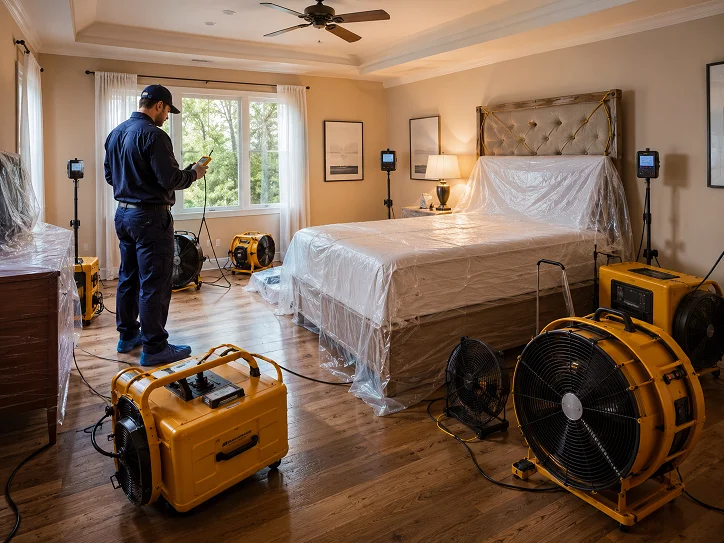
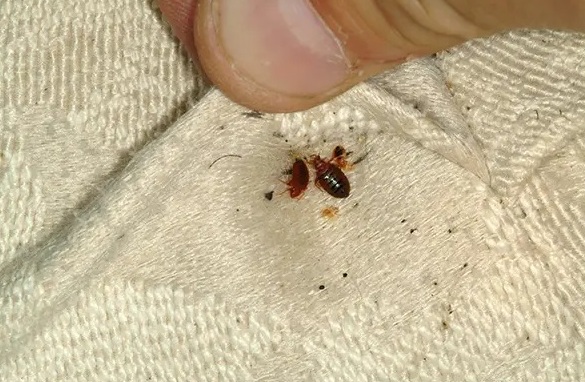
A heated room may have some areas that remain cooler than others. It could be on the mattress folds, furniture crevices, or the edges of the floorboards, or where items are piled against the walls. All these spots heat up at a different rate than the surrounding area. When conducting an inspection with an exterminator in Byrdstown, knowing these potential bed bug sanctuaries helps explain why simply raising the temperature of the room is not enough to guarantee that the pests will be gone for good. There might still be some surviving bugs or eggs that were not subjected to hot enough temperatures during the treatment.
Better Visibility Secures Targeted Heating
Heat sensing technology can identify the variance of temperature on a given surface and allows the technician to probe into areas which reflect a lower temperature than the average. Specifying imaging, the location of the probe, and temperatures taken during an exterminator session in Byrdstown will provide better visibility into the process. The desired output of targeted heating is visible through the adjustment process rather than an assumed value on the output of the heater.
Surface Images Have Important Limits
Infrared cameras show apparent surface temperatures- the cameras can't see through walls, mattress's, or upholstered furniture. A warm temperature on the surface doesn't necessarily mean that the interior has been heated to the appropriate temperature. Reflective surfaces and camera angle also play a role in the temperature reading. Thermal images should suggest further inspection but shouldn't be used as proof that all insects in a hiding place have been killed.
Temperature Probes Check Hard-to-Reach Places
The placed sensors should be able to check temperatures in hard-to-reach places as well as other areas not directly visible to the operator. Technicians should double-check the hard-to-heat spots and take into consideration the time the surface is exposed to air. The wireless nature of the system makes the readings easy to access during the treatment. Still, proper location and calibration are important for the procedure. A dashboard displaying the hot air in the room is not helpful if the furniture's insides and floors' intersection are not monitored.
Equipment Adjustments Improve Heat Distribution
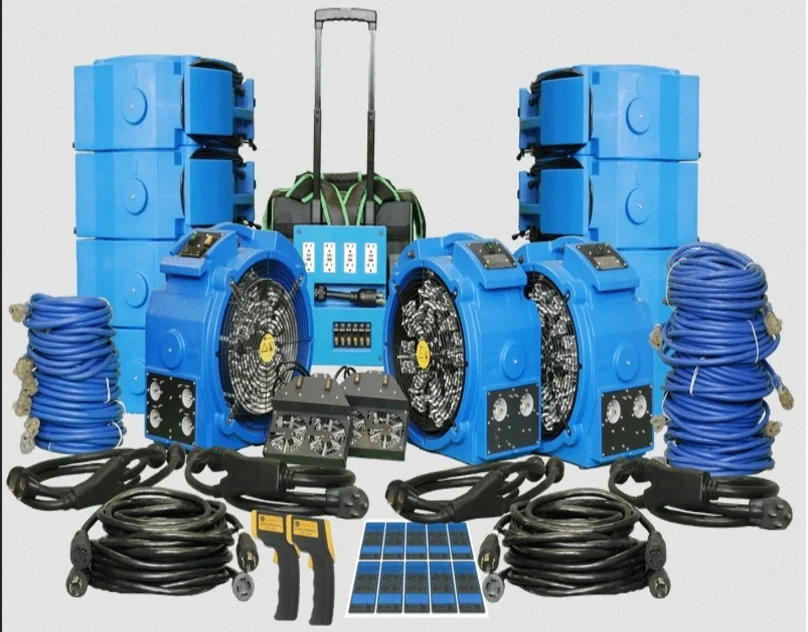
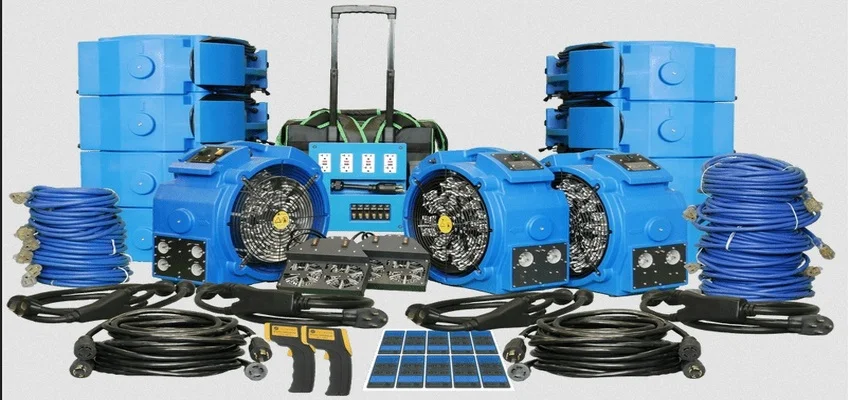
A cooler reading calls for investigation. Depending on conditions, technicians may reposition fans, adjust heaters, or rearrange belongings to improve circulation. Repeated measurements establish whether those changes help the affected area warm sufficiently. Treatment planning must account for room layout, building construction, and the distribution of infested items. Heating should follow a professional protocol, with precautions for occupants, pets, and vulnerable possessions.
Author Resource:-
David has over 10 years of experience writing about bed bug heat treatment and extermination services, with a focus on cost-effective heat treatment solutions for contractors and remediation partners.