Sign up with Google
 Sign in with Zoho

People who look into chemical peel treatment in Singasandra often have the same question in mind: what exactly happens to my skin once the peel is applied? The word “peel” sounds dramatic, and online photos can make it look even more intense than it is. In reality, a chemical peel is a controlled procedure that encourages the skin to renew itself. This article explains the process in simple terms, so you know what to expect, what a peel can help with and where its limits lie.
First, a Quick Look at Your Skin Layers
To understand a peel, it helps to know how skin is built.
The Outer Layer
The outermost layer is made of dead and dying skin cells. It protects you, but when it builds up unevenly, skin can look dull, rough or patchy. Tan and surface pigment also sit here and in the layers just below.
The Layers Beneath
Below the surface is the living skin, where new cells are formed and where pigment, oil glands and collagen-producing cells are present. Deeper concerns such as long-standing marks or textured scars involve these layers.
A peel works by acting on the upper layers and, depending on its strength, a little deeper. The stronger the peel, the deeper it reaches, and the more care it needs.
What Is Chemical Peel Treatment, in Simple Words?
A chemical peel uses a carefully chosen acid solution that is applied to the skin for a limited time. The solution loosens the bond between old skin cells, so the outer layer sheds more evenly than it would on its own. As the old layer comes off, newer skin comes forward.
Think of it as speeding up and evening out something your skin already does. Normally, skin renews itself over several weeks. A peel gives that process a controlled push.
What Actually Happens to Your Skin During a Peel
Step 1: Cleaning and Preparation
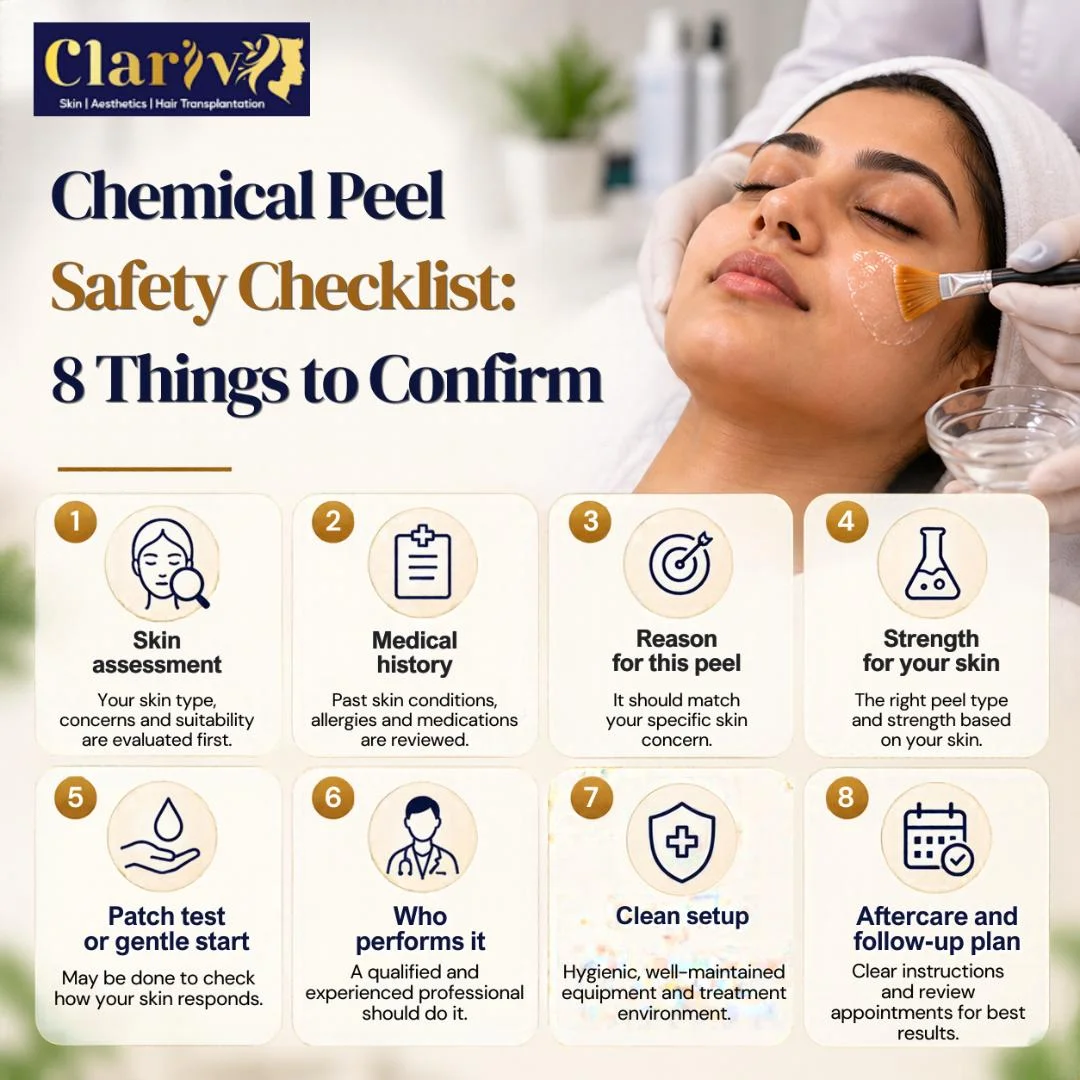
The skin is cleansed to remove oil, makeup and dirt. The clinician will check the area and protect sensitive spots such as the corners of the eyes, nose and lips.
Step 2: The Peel Solution Is Applied
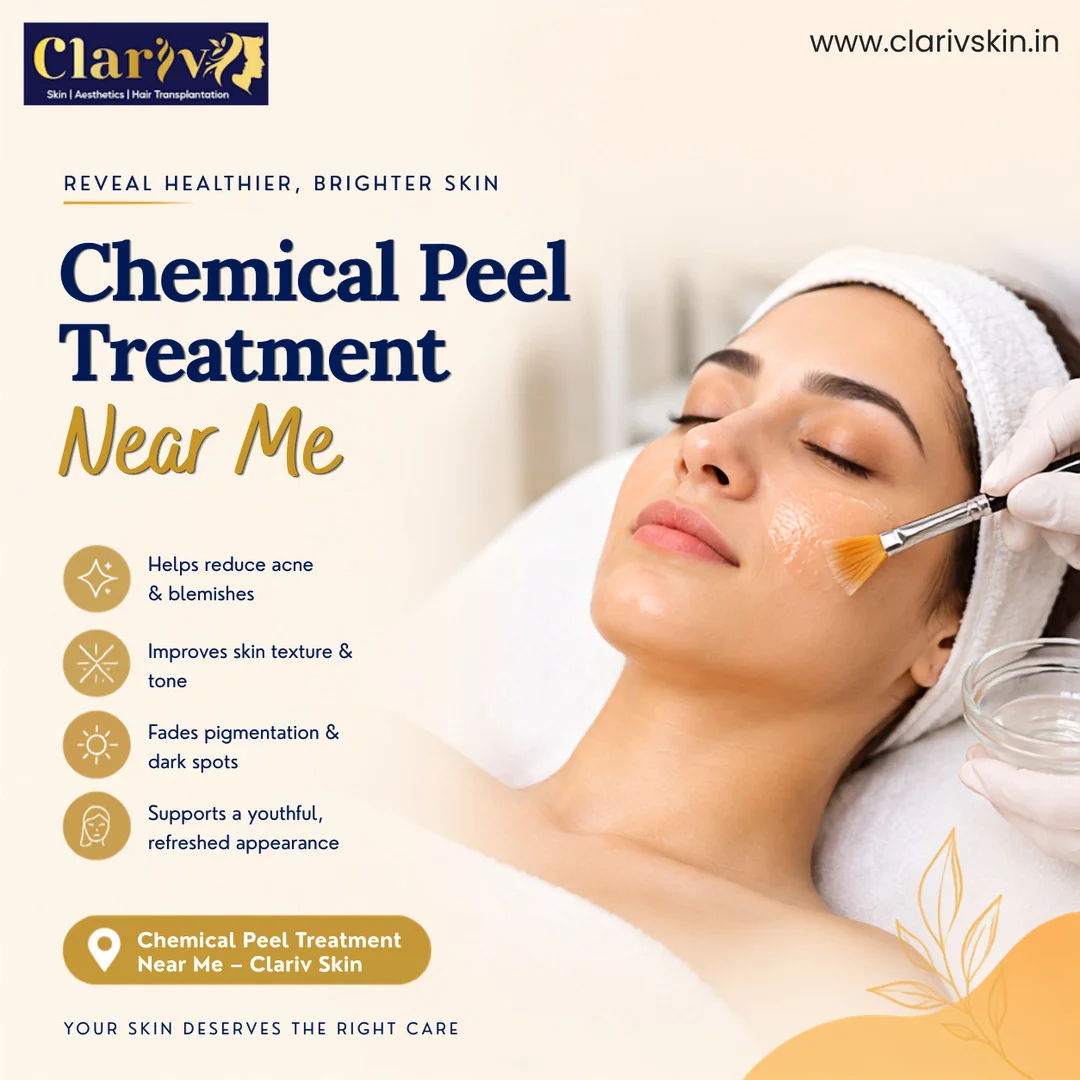
The solution is applied in a measured way and left on for a set time. You may feel warmth, tingling or a mild stinging sensation. This is usually short-lived, and the clinician watches how your skin reacts throughout.
Step 3: Neutralising and Soothing
Depending on the peel type, the solution is neutralised or removed, and a soothing product is applied. You are then told how to care for your skin at home.
What Happens in the Days After
The days after are where most of the visible change begins.
Tightness, Dryness and Mild Flaking
Your skin may feel tight and dry, and light flaking can appear on the second or third day. This is the old layer coming off. It is normal for many peels and usually settles within a few days.
Redness
Mild redness can follow, especially on sensitive skin. It generally fades with time and gentle care.
Fresh-Looking Skin Underneath
As the flaking settles, the new skin often looks fresher and more even. How much change you see depends on your concern, your skin type and the peel used.
Which Skin Concerns Can a Peel Help With?
Tan and Dullness
Tan sits mostly in the upper layers, so a peel may help the skin look brighter by removing built-up cells and surface pigment. Sun protection afterward is essential, or the tan will return.
Acne Marks
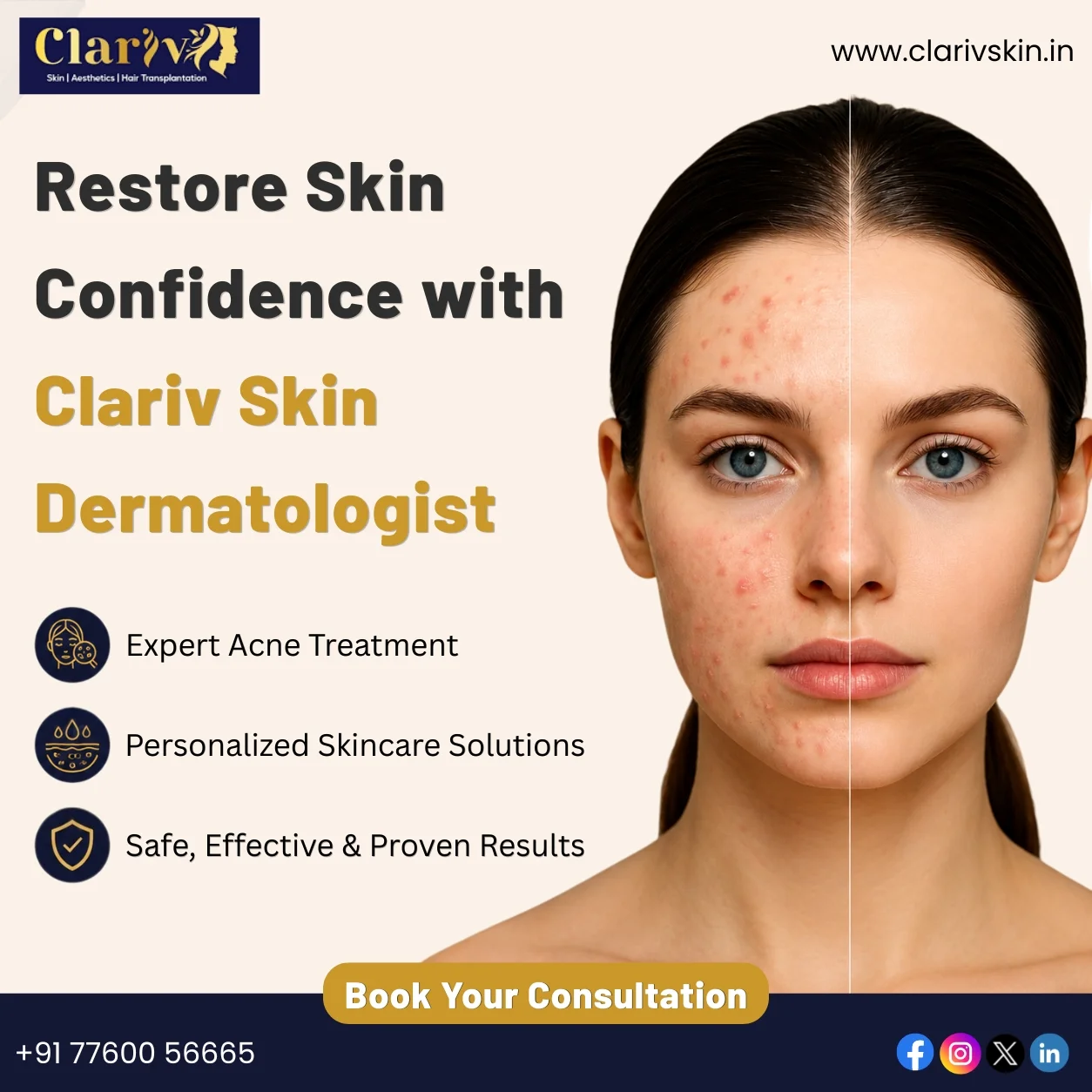
The marks left by pimples can fade slowly. A series of suitable peels may help the skin renew itself and lighten these marks over time. Active, inflamed acne usually needs to be treated first.
Uneven Skin Tone and Rough Texture
Skin that looks patchy or feels rough may become smoother as the outer layer is shed evenly. Light congestion and clogged pores can also improve.
Mild Pigmentation
Lighter pigmentation may respond to peels. Deeper pigment takes more patience and sometimes needs a combined plan.
Types of Peels: A Simple Overview
Light or Superficial Peels
These work on the outermost layer. They usually have little downtime and are often done as a series. They are commonly used for dullness, mild tan and light congestion.
Medium Peels
These reach a little deeper and may help with more visible marks or uneven tone. Recovery takes longer, and the skin may peel more noticeably.
Deep Peels
These act much deeper and are used only in specific situations under close medical supervision. They are not the usual choice for everyday concerns.
Which type suits you is something a doctor decides after seeing your skin, not something to pick from a menu.
What a Peel Cannot Do
Honest information matters here.
• It cannot change your skin type or permanently stop oil production.
• It cannot remove deep scars or very old, deep pigmentation in a single session.
• It cannot replace sun protection. Without sunscreen, tan and pigmentation can return.
• It is not a one-size-fits-all solution. Results differ from person to person.
A trustworthy clinic will tell you this plainly. Be careful with anyone who promises guaranteed or instant results.
Why Your Skin Barrier Matters
The skin barrier is the protective outer layer that holds moisture in and keeps irritants out. A peel temporarily makes this layer more delicate. That is why moisturiser, a gentle cleanser and daily sunscreen are so important in the days that follow. A well-cared-for barrier recovers faster and looks healthier.
Who May Need to Wait
Not everyone is ready for a peel at every moment. Tell your clinic if you have any of the following:
• Recent sunburn or heavy sun exposure
• Active infection, cold sores or broken skin in the area
• Very irritated or inflamed acne
• Recent use of strong skin products or other treatments
• A history of skin reactions
• Changes in your medicines
In such cases, the doctor may delay the peel, change the type or prepare your skin first. This is a sign of careful care, not a refusal.
Simple Aftercare That Supports Your Skin
• Apply sunscreen every morning and reapply through the day
• Use a mild cleanser and a good moisturiser
• Avoid picking or pulling the flaking skin
• Skip scrubs, harsh actives and waxing on the treated area until your doctor says it is fine
• Follow the product instructions your clinic gives you
Contact the clinic if you notice strong burning, swelling, blisters or unusual colour changes.
Chemical Peels and Daily Life in Singasandra
Many people in and around Singasandra spend time outdoors, travelling or commuting, which means more sun exposure. If you are considering a peel, plan for sun protection, a hat or scarf where possible, and a few lighter days after your session. Clariv Skin, in Electronic City, Bangalore, welcomes people from surrounding areas. If you live a little further, you can also read about chemical peel treatment in Hulimangala and chemical peel treatment in Gattahalli.
When a Peel Is Not the Only Answer
Some skin and hair concerns need more than a peel. Active acne may need medical treatment, some marks need a combination plan, and hair or scalp issues call for a completely different approach. Clariv Skin also offers acne care, hair treatments and other aesthetic skin services, so your doctor can guide you to the option that fits your concern.
Final Thoughts
So, what does chemical peel treatment in Singasandra actually do to your skin? It encourages the outer layers to shed in a controlled way, so fresher skin can come forward. It may help with tan, dullness, mild pigmentation, acne marks and uneven texture, but results depend on your skin, the peel type and how well you follow aftercare.
If you are thinking about a peel, start with a consultation, ask questions and set realistic goals. Book a visit with Clariv Skin to understand what suits your skin before you decide.
Contact Details
Clariv Skin — Hair, Skin & Aesthetic Clinic
Phone: +91 77600 56665
Email: [email protected]