Sign up with Google
 Sign in with Zoho

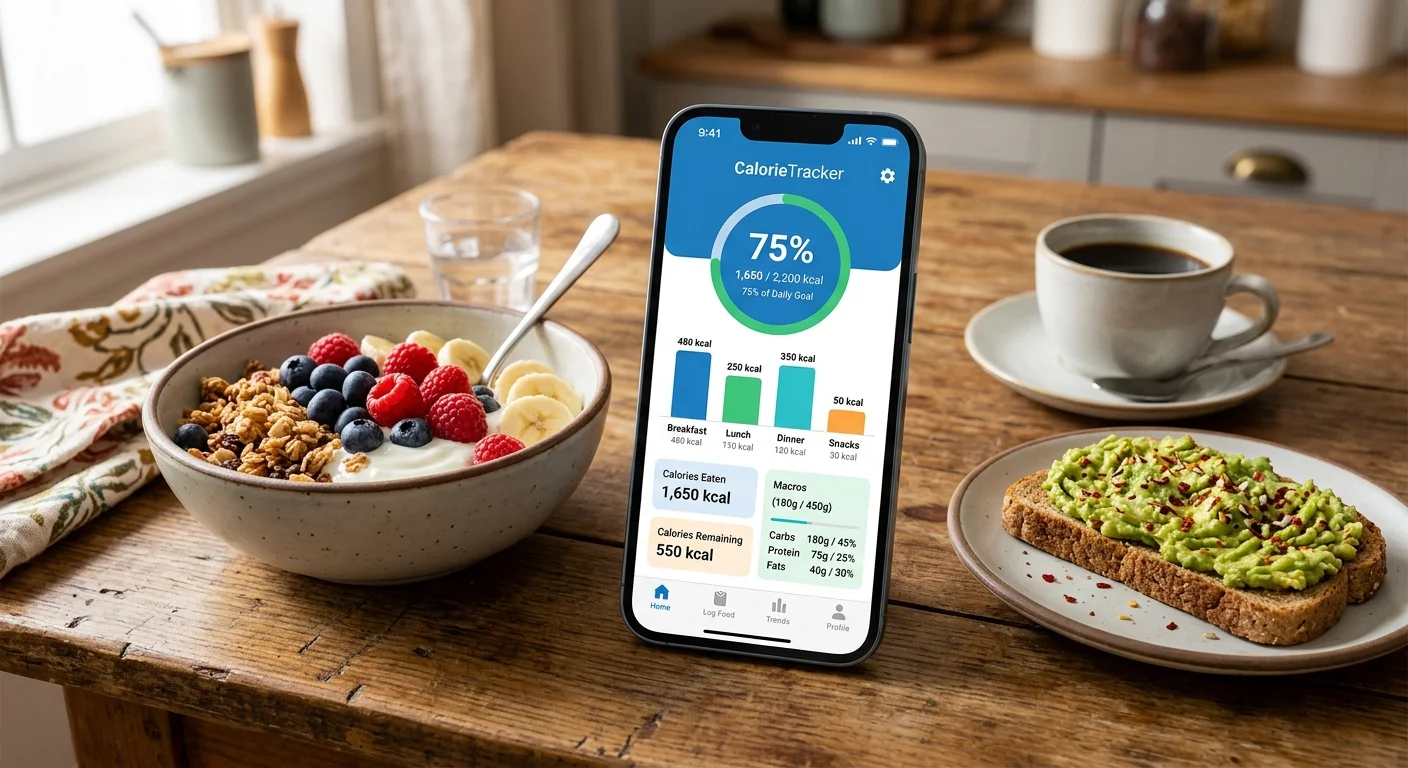
You want to lose weight, gain muscle, or just stop guessing how much you eat. But most advice stops at "eat less" or "eat more protein" without telling you what your actual number is. A Calorie Tracker & Calculator fixes that by giving you a starting target and a simple way to check your food against it.
This guide shows you how the math works, how to set a realistic goal, and how to log your meals without turning it into a second job.
Link to Calculator
What a Calorie Tracker & Calculator Actually Does
These are two jobs that work best together.
The calculator estimates how many calories your body burns in a day. The tracker records what you eat so you can compare the two. One without the other leaves a gap: a target you never check, or a log with nothing to measure it against.
Think of the calculator as the map and the tracker as your GPS dot. Neither is perfect, but together they keep you pointed in the right direction.
How a Daily Calorie Calculator Works
Most daily calorie calculators use two steps.
Step 1: Estimate your basal metabolic rate (BMR)
BMR is the energy your body uses at rest. A widely used formula is Mifflin-St Jeor:
- Men: (10 × weight in kg) + (6.25 × height in cm) − (5 × age) + 5
- Women: (10 × weight in kg) + (6.25 × height in cm) − (5 × age) − 161
Step 2: Multiply by an activity factor
This turns resting burn into your total daily energy expenditure (TDEE), the number of calories that roughly maintains your current weight.
A worked example (illustrative, not a real person)
Take a 35-year-old woman who is 165 cm tall and weighs 70 kg. Her BMR comes to about 1,395 calories. With light exercise a few days a week (×1.375), her maintenance estimate is roughly 1,918 calories per day.
That is a starting estimate, not a verdict. Formulas can be off by a few hundred calories for any individual, which is why tracking matters.
Setting a Goal That Fits You
Once you have a maintenance number, adjust it based on what you want.
- Lose weight: A common rule of thumb is a deficit of about 500 calories a day, which roughly equals one pound per week. Smaller deficits are easier to sustain.
- Maintain: Eat near your TDEE and watch the trend over several weeks.
- Gain muscle: A modest surplus, often 250–500 calories above maintenance, paired with strength training.
Be careful with aggressive cuts. Very low intakes can leave you short on nutrients and energy, and many health professionals advise against going far below roughly 1,200 calories (women) or 1,500 calories (men) without medical supervision. If you have a medical condition, are pregnant, or are under 18, talk to a doctor or registered dietitian before changing your intake.
For context, the FDA's Nutrition Facts label uses 2,000 calories a day as a general reference point. It is a label standard, not a personal recommendation.
Calorie Counting App vs. Manual Log vs. Web Tracker
There is no single right way to track. Pick the one you will actually use for more than two weeks.
5 Habits That Make Calorie Tracking Accurate
The tool matters less than how you use it. These habits close most of the accuracy gap.
- Weigh food when you can. Measuring cups vary a lot, especially with foods like rice, peanut butter, and cereal. A cheap kitchen scale is the single biggest upgrade.
- Log before you eat. Entering a meal in advance lets you adjust the plate instead of regretting it afterward.
- Count the "invisible" calories. Cooking oil, sauces, coffee creamer, and drinks add up fast and are the most commonly missed entries.
- Check restaurant entries. Chain restaurants often publish nutrition info. For independent places, pick the closest match and round up.
- Judge by the weekly average. One high day means little. Your weight trend over two to three weeks tells you whether the target needs adjusting.
Common Mistakes to Avoid
- Trusting the first database entry. User-submitted entries can be wrong. When possible, use entries based on the USDA FoodData Central database or the product label.
- Treating exercise calories as extra food. Wearables and gym machines tend to overestimate burn. If your activity multiplier already accounts for exercise, don't add it twice.
- Quitting after a bad day. Skipping a log doesn't erase your progress. Pick it back up at the next meal.
- Ignoring everything but calories. Protein, fiber, and food quality affect hunger and energy. Calories are the framework, not the whole story.
Start With Your Number
A calorie target takes five minutes to find, and a week of tracking shows you whether it fits. Try the Calorie Tracker & Calculator from TOLz to get your starting estimate, log your meals, and refine from there. Adjust based on how your body responds, and keep the process simple enough to repeat tomorrow.
This article is for general information and isn't medical advice.