Sign up with Google
 Sign in with Zoho
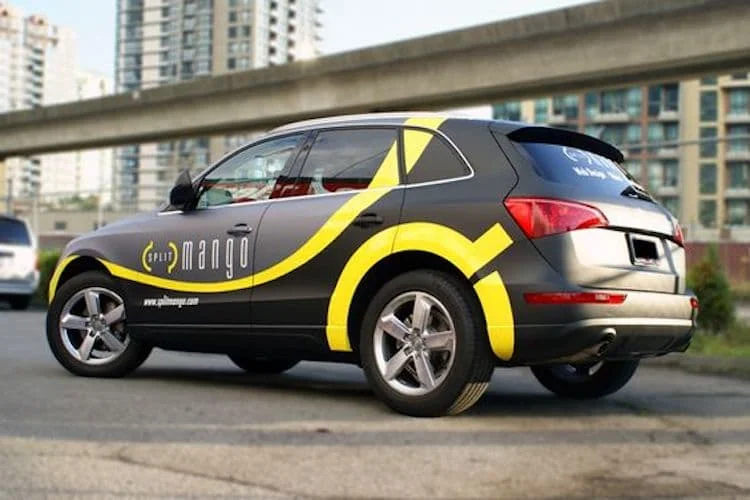
A business vehicle can do more than transport employees, equipment, or products from one location to another. When designed with a company's visual identity, it can also become a mobile branding tool that is seen during daily journeys, customer visits, deliveries, and work-related stops.
Vehicle branding is particularly useful for businesses that operate across busy urban areas such as Dubai. Delivery vans, service vehicles, company cars, and commercial fleets may travel through different neighborhoods every day, creating repeated opportunities for people to see the same business name, colors, logo, or contact details.
A practical overview of vehicle branding benefits and ideas shows that branded vehicles can serve several purposes beyond simple advertising.
What Is Vehicle Branding?
Vehicle branding involves applying a company's visual identity to a vehicle using materials such as vinyl graphics, printed decals, partial wraps, or full wraps. The design can include a logo, business name, contact information, website, service details, or other brand elements.
The amount of branding can vary considerably. Some businesses may only place a logo and phone number on the doors, while others may cover larger sections of a vehicle with a carefully designed graphic.
The right approach depends on the vehicle type, business activity, budget, and amount of information that needs to be displayed.
Common Uses of Branded Business Vehicles
Different businesses use branded vehicles for different practical reasons. The following are some of the most common applications.
1. Delivery and Logistics Vehicles
Delivery businesses spend a significant amount of time on the road. Vans and trucks can therefore provide a useful surface for displaying company information while employees complete their normal routes.
A delivery vehicle might include:
- Company logo
- Business name
- Website or phone number
- Main service category
- Social media information
- A simple promotional message
The design should remain readable because other drivers may only see the vehicle for a few seconds.
2. Service and Maintenance Vehicles
Plumbers, electricians, air-conditioning technicians, cleaning companies, repair businesses, and maintenance providers often travel directly to customer locations.
Branding these vehicles can help identify the company when employees arrive at a residential or commercial property. It can also make the vehicle easier for customers to recognize when several contractors or service vehicles are present.
In these cases, clear identification may be more useful than filling the entire vehicle with promotional graphics.
3. Company Cars
Businesses may use cars for sales teams, managers, consultants, property agents, or employees who regularly visit customers and business locations.
A company car does not necessarily require a full wrap. A smaller logo, door graphic, or rear-window design can provide a more subtle form of business identification.
This approach may suit professional services where a clean and understated appearance is preferred.
4. Commercial Fleets
Businesses with multiple vehicles can use fleet branding to create a consistent visual identity across cars, vans, and trucks.
A consistent fleet design can make vehicles easier to associate with the same organization. This can be especially useful for companies operating across multiple Dubai locations.
Fleet branding should account for differences between vehicle models. A design that works well on one van may need adjustments when applied to a smaller car or larger truck.
5. Promotional and Campaign Vehicles
Some businesses use vehicles specifically for marketing campaigns, product launches, events, or temporary promotions.
A campaign vehicle may feature a bold graphic, product image, seasonal message, or event information. Because these campaigns are often temporary, removable graphics or partial applications may be more appropriate than permanent changes.
The design should also include a clear message rather than trying to communicate too many details at once.
Why Vehicle Branding Can Support Business Visibility
The main advantage of vehicle branding is that the branding travels with the vehicle.
Unlike a fixed sign, a branded vehicle can appear on roads, outside customer locations, in parking areas, at construction sites, and near commercial districts. This creates multiple opportunities for exposure without requiring a separate advertising space at each location.
However, visibility does not automatically mean effective communication. A vehicle can be highly noticeable while still being difficult to understand.
A useful design normally prioritizes the most important information first: the brand name, recognizable visual identity, and a simple description of what the business does.
How to Design a Business Vehicle for Better Readability
Vehicle graphics need to work on curved surfaces, doors, windows, panels, and other parts of the vehicle. Design decisions should therefore be made with the vehicle itself in mind.
Keep Text Short
A driver or pedestrian usually has limited time to read a moving vehicle. A short business description is generally easier to understand than a long list of services.
Use Strong Visual Hierarchy
The business name or logo should be easy to identify. Secondary information such as phone numbers, websites, or service descriptions can be smaller.
Consider Vehicle Shape
Doors, handles, windows, curves, and panel gaps can interfere with artwork. Important text should not be positioned where it may become difficult to read or install correctly.
Maintain Brand Consistency
Colors, logos, fonts, and imagery should correspond with the company's existing identity. This allows the vehicle to feel like part of the wider brand rather than a separate marketing design.
Vehicle Branding in Dubai
Dubai's busy roads and diverse commercial areas provide many different environments where branded vehicles may be visible. A company vehicle might travel between offices, customer locations, warehouses, retail areas, residential communities, and construction sites throughout the day.
For businesses considering vehicle branding Dubai, practical factors such as vehicle type, intended application, design dimensions, material selection, and applicable approval requirements should be considered before production.
Businesses should also check the relevant local requirements before installing vehicle graphics, particularly when the design includes commercial branding or advertising elements.
Planning a Vehicle Branding Project
A simple planning process can reduce mistakes and unnecessary costs.
First, identify which vehicles will be branded and whether the same design will be used across the fleet. Next, determine what information needs to appear on the vehicle.
The design can then be adapted to the specific vehicle dimensions. Before production, it is useful to review a visual mock-up showing how the artwork will appear on the actual vehicle.
Material selection should also reflect the intended use. Vehicles that spend substantial time outdoors may require materials and finishing appropriate for regular exposure to weather and road conditions.
Common Mistakes to Avoid
Several simple mistakes can reduce the effectiveness of vehicle branding.
- Using too much text
- Making contact information too small
- Covering important vehicle features with artwork
- Using inconsistent brand colors
- Ignoring the vehicle's shape when designing
- Placing key information near doors, handles, or panel gaps
- Failing to check local approval requirements
A simpler design is often easier to read and maintain than one containing every available piece of information.
Conclusion
Branded business vehicles can serve many practical purposes, from identifying service teams and delivery fleets to supporting promotional campaigns and maintaining consistent company branding. The most suitable approach depends on how the vehicle is used, where it travels, and what information customers need to see.
For businesses in Dubai, careful planning is especially important because vehicles may operate across a wide range of commercial and residential environments. A clear design, appropriate materials, accurate vehicle measurements, and consideration of local requirements can help turn an ordinary business vehicle into a useful part of the company's broader branding system.