Sign up with Google
 Sign in with Zoho
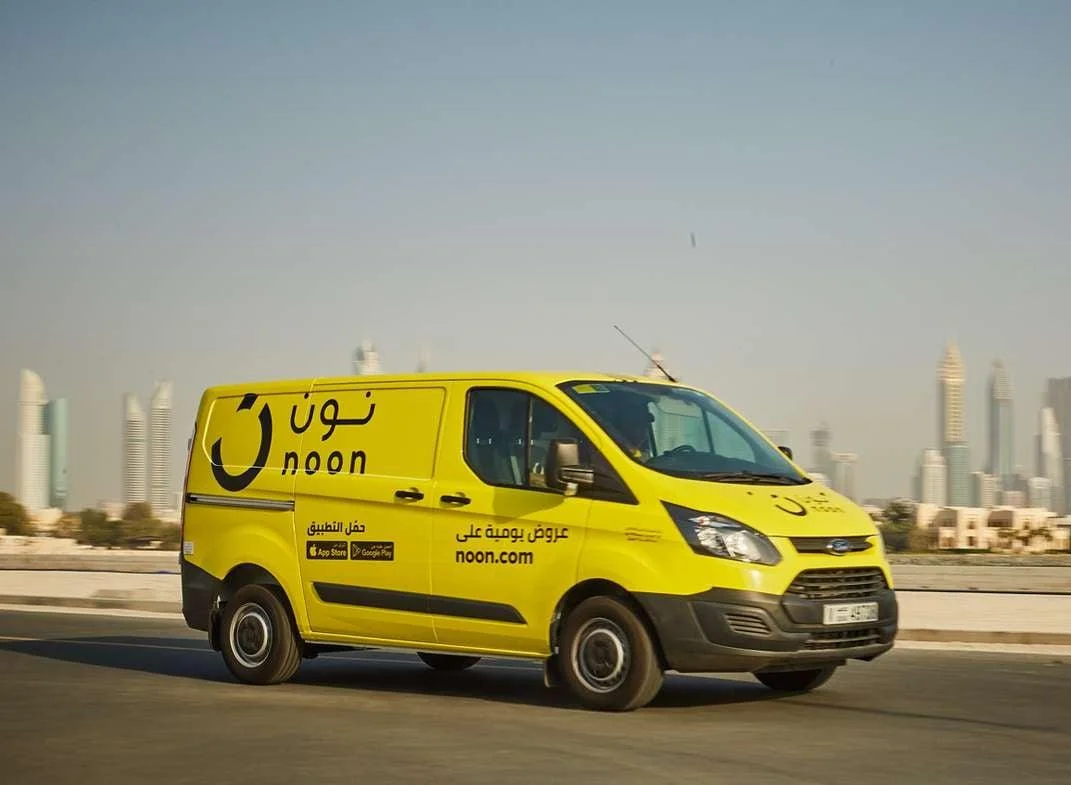
A branded business vehicle can do more than travel between appointments. It can introduce a company to potential customers, reinforce brand recognition, and help people remember a service they may need later. However, these benefits depend on how clearly the vehicle communicates its message.
A common mistake is trying to fit too much information onto the doors, windows, bonnet, and rear panels. A vehicle is often seen for only a few seconds, especially on busy roads in Dubai. The most effective design gives people the essential details without making them work to understand the message.
Whether a business uses a single car, a delivery van, or an entire fleet, the same principle applies: display the information people need, make it easy to read, and keep the overall design consistent.
1. Business Name and Logo
The business name is usually the most important element on a branded vehicle. It tells viewers which company the vehicle represents and gives them something to remember.
The name should be large enough to read from a reasonable distance. A logo can support it, but the logo should not make the company name difficult to recognise. If the logo already contains the full business name, repeating it may be unnecessary.
Before finalising the design, consider how the name looks on different panels. A wordmark that appears clear on a computer screen may become difficult to read when placed across a door seam or curved body panel.
Consistency is also important. Using the same logo, colours, and typography across company vehicles, business cards, uniforms, and online profiles creates a more recognisable identity.
2. A Short Description of the Service
People may recognise a company name without knowing what the business does. A short service description can solve this problem.
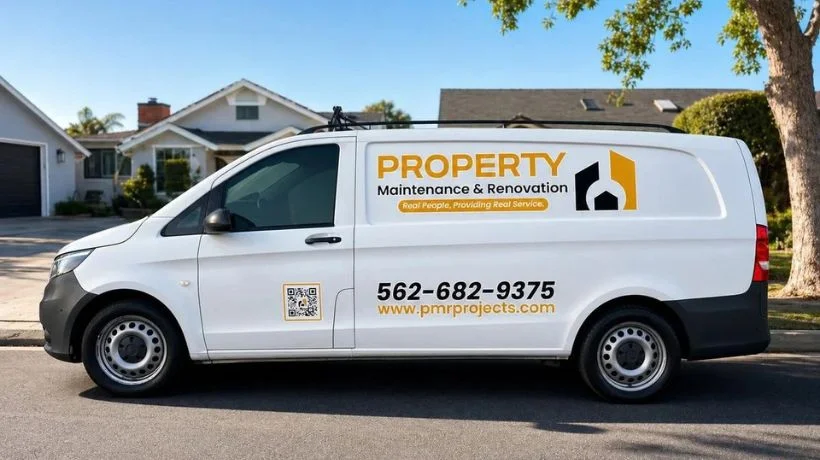
For example, a plumbing business might use “Plumbing and Maintenance,” while a cleaning company could display “Residential and Commercial Cleaning.” A delivery service might simply use “Local Deliveries.”
The wording should be specific enough to explain the business but short enough to read quickly. Long lists of services are rarely necessary on a moving vehicle.
How to Choose the Right Words
Ask what a potential customer should understand after seeing the vehicle for three to five seconds. If the answer is unclear, simplify the message.
A company that provides several services should prioritise its main offering or the service it most wants people to remember. Additional details can be shared through a website or other marketing materials.
3. Contact Information That Is Easy to Use
Contact details give interested viewers a way to take the next step. However, including every available contact method can make a vehicle design crowded.
For many businesses, a telephone number or short website address is enough. The choice depends on how customers normally make enquiries.
Consider these options:
- Telephone number: Useful for businesses that handle enquiries and bookings by phone.
- Website address: Helps people find service details, locations, and contact options.
- Social media handle: May suit businesses whose customers regularly use social platforms.
- QR code: Can direct people to a website or booking page when scanning is practical and safe.
Contact information should be large, clear, and placed where it can be seen without competing with the business name. Avoid tiny lettering or complicated website addresses that are difficult to remember.
A QR code should not be treated as a replacement for readable contact information. It is more useful when the vehicle is parked or viewed by pedestrians. Drivers should never be encouraged to scan a code while driving.
4. A Clear Brand Message
A short slogan can help explain what makes a business relevant to its customers. However, a slogan is optional, and it should not take priority over the company name or main service.
Useful messages are simple and easy to understand. For instance, a maintenance company might communicate its focus on property repairs, while a catering business could highlight corporate events or food delivery.
Avoid vague statements that could describe almost any business. A message that clearly identifies a service is often more helpful than a long promotional phrase.
For businesses in Dubai serving different communities, straightforward English can help keep the message accessible. If additional languages are needed, the layout should allow enough space for each version to remain readable.
5. Website and Digital Details
A vehicle can connect offline visibility with online information. A short web address allows interested people to find opening hours, service areas, photographs, and enquiry forms after they have seen the vehicle.
Before adding a website or QR code, check that the destination works properly on mobile devices. A slow page, broken link, or difficult contact form can make the information less useful.
Tracking links or dedicated landing pages may also help a business understand how people respond to its vehicle advertising. However, any tracking method should be simple to maintain and consistent with applicable privacy requirements.
Not every vehicle needs a social media handle, QR code, website, and telephone number. Select the details that support the main purpose of the design.
6. A Design That Makes Information Readable
The right information can lose its value if the layout is difficult to read. Vehicle graphics must work across curved panels, changing light conditions, and different viewing distances.
A few practical design rules can make a significant difference:
- Use strong contrast between lettering and the background.
- Choose clear fonts instead of decorative typefaces for essential details.
- Keep important text away from panel gaps, handles, and complex curves.
- Leave enough empty space around the logo and contact details.
- Make the company name and primary service more prominent than secondary information.
- Check the design from the front, sides, and rear of the vehicle.
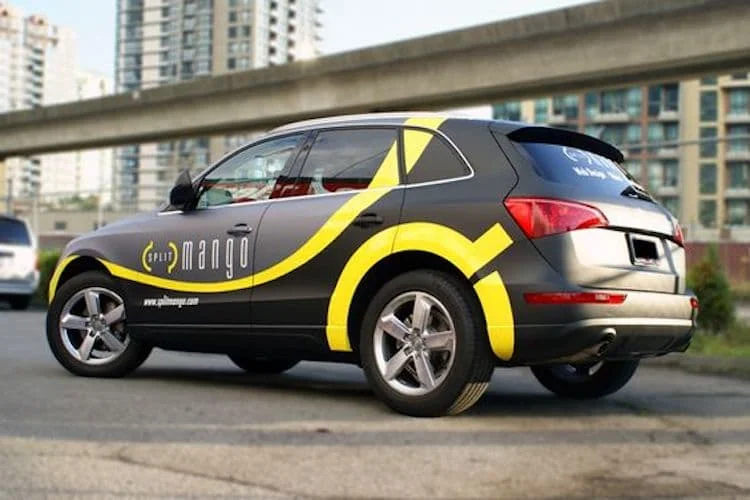
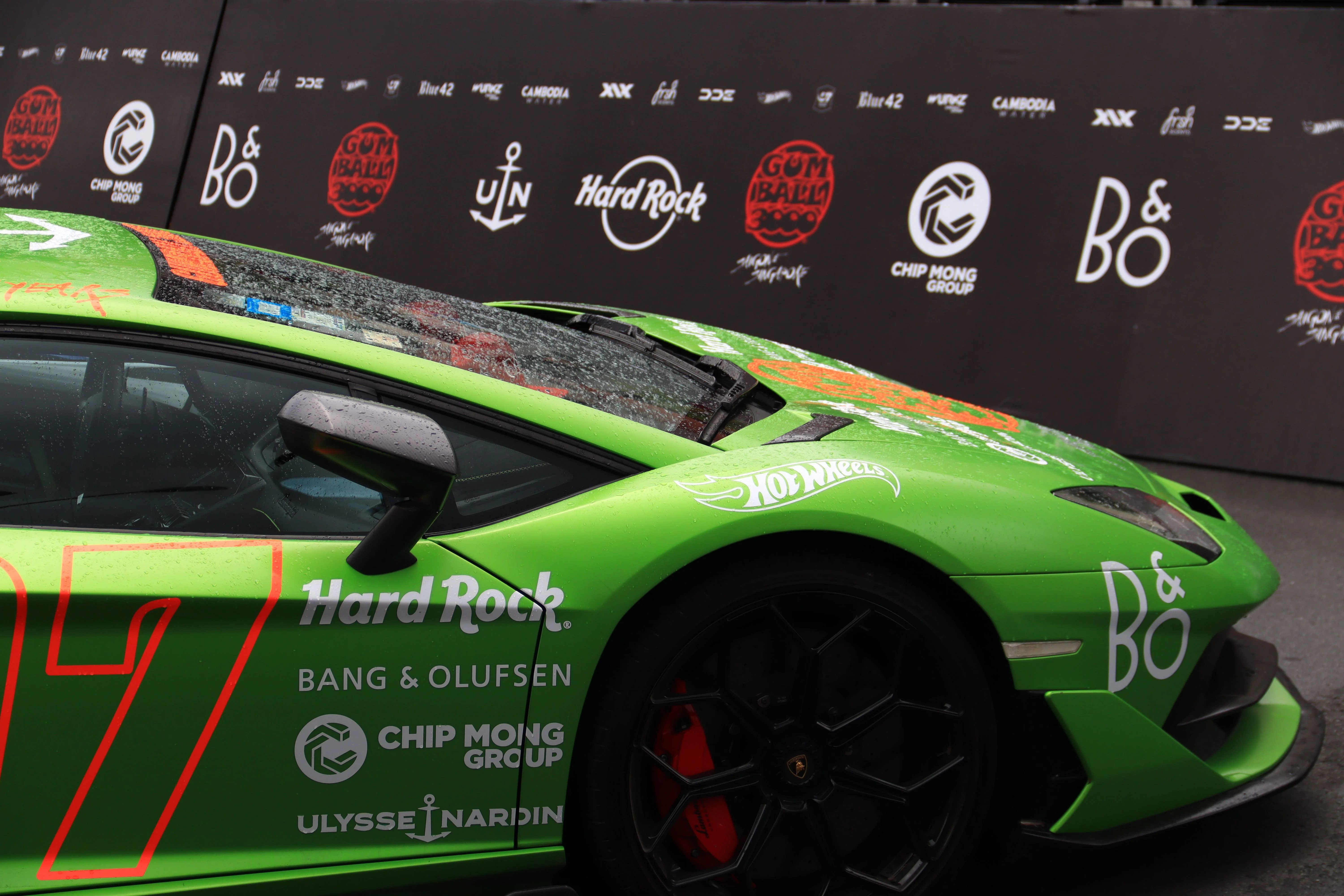
A car wrap can be particularly useful when a business wants a consistent colour scheme across the vehicle and enough space for a clear message. Full wraps can create a unified appearance, while partial wraps can highlight key panels without covering the entire vehicle. The choice depends on the budget, existing vehicle colour, design goals, and amount of information required.
Businesses exploring vehicle branding can use these design principles when deciding how to organise their company name, service details, and contact information.
7. Consider Dubai’s Roads and Local Requirements
Vehicle branding in Dubai should account for local driving conditions and the way vehicles are used. A message may be viewed in bright sunlight, in traffic, in a parking area, or from another vehicle at a distance.
Dark lettering on a suitable light background, or light lettering on a dark background, can improve contrast. The finished design should also be checked in daylight rather than judged only on a computer screen.
Businesses should review applicable requirements before applying graphics, especially when a design includes window coverage, changes to the vehicle’s appearance, or commercial advertising. Approval requirements can depend on the vehicle, design, and intended use, so current guidance should be confirmed with the relevant authorities or installation professional.
A local reference such as car branding dubai may help businesses explore different approaches to vehicle graphics and wraps. Regardless of the chosen design, clarity and compliance should come before decoration.
Conclusion
A branded business vehicle does not need to display every detail about a company. The most useful designs focus on a recognisable business name, a clear service description, and one or two practical ways to make contact. A short slogan or digital link can add value when it supports these essentials.
Before approving the design, check its readability from a distance, review every panel, and consider how the vehicle will be used each day. A well-planned car wrap or partial graphic layout can bring the information together into a consistent visual identity. The goal is simple: help people understand what the business does and remember where to find it.